

10 Greatest National Lampoon Magazine Covers Of All Time
National Lampoon magazine ran for almost 30 years, starting in 1970 and lasting until 1998. In that time, it helped change the landscape of American humor repeatedly during that time, especially during its early '70s and '80s tenure as one of the edgiest publications on shelves.
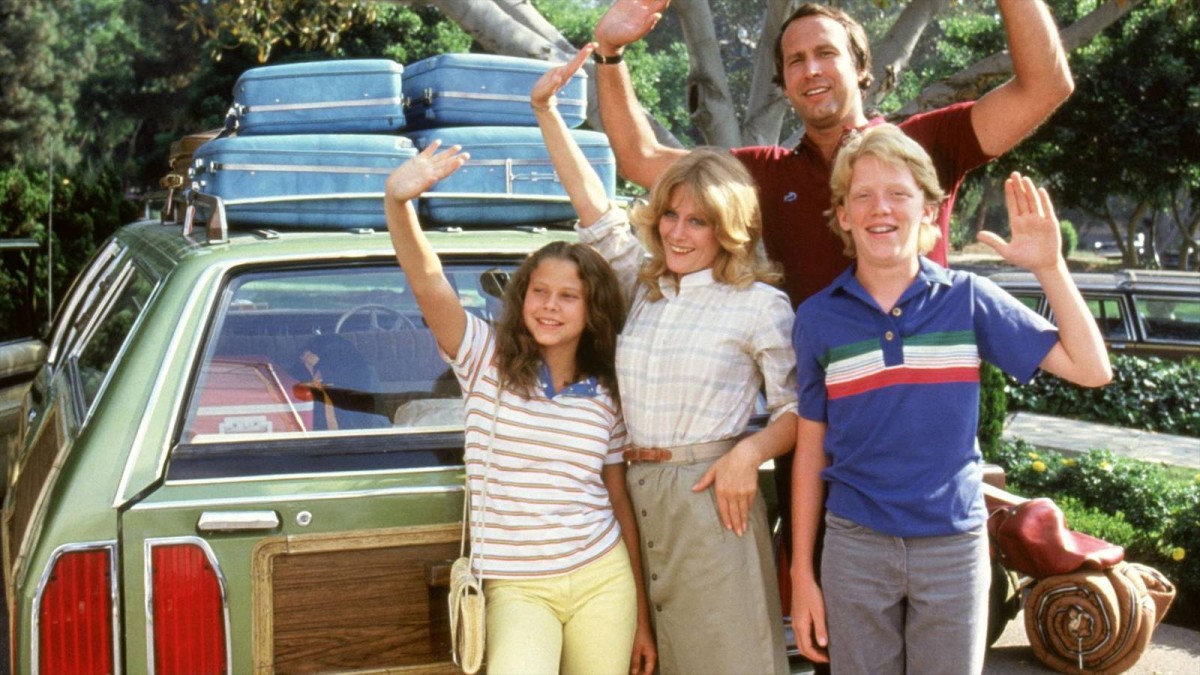
In 1978, the Lampoon struck gold with its first film, the frat comedy Animal House, which led to movies like Class Reunion and The Joys of Sex, and most successfully, the Chevy Chase-led National Lampoon's Vacation films that became beloved in the 1980s. Those movies dominate the conversation about National Lampoon's cultural legacy, but the magazine's influence shouldn't get lost in the shuffle.
Below is a curated selection of the top Lampoon covers out of the nearly 250 issues that the magazine put out in its 28-year tenure.
10 The Death Issue
January 1973

"If you don't buy this magazine, we'll kill this dog." That's the caption on the cover of this National Lampoon issue, accompanying an image of a beautiful black-and-white dog side-eyeing the pistol pointed directly at its head by a man just out of frame. It was this shocking and appalling visual that cemented the Lampoon's reputation as the leading proto-edgelord publication of its day.
This was back before that was a pejorative. When subversive humor was still a way of challenging the prevailing social order. Just like today, though, it was also a surefire way to get attention, both positive and negative. National Lampoon had been around for a few years by this point, but with its landmark "Death" issue, it became the boundary-pushing pop culture sensation it is remembered as today.
9 The Self-Indulgence Issue
December 1973

The best National Lampoon covers could easily have doubled as the art for punk rock album covers. This entry, and the next one, are prime examples of that. Just like today, economic inflation was a major problem for the United States in the 1970s. The Lampoon summed this up with this stark sequence of images on the cover of its December 1973 issue.
A hundred dollar bill going up in flames, reduced to a pile of black ash. Branded the "Self-Indulgence" issue, this National Lampoon cover could have won a Pulitzer, had the prize's board known at the time that income inequality and the evaporation of the American middle class would be a defining story of the next 50+ years.
8 The Work Issue
November 1975

This National Lampoon cover is hardcore. It takes the figure of speech "nose to the grindstone" literally, depicting a screaming man scraping his nose bloody against an actual grindstone. It is graphic imagery, making a deadpan joke about the past, present, and future brutality of working conditions in America and worldwide.
"Work" was the theme of the issue, with the issue promising to cover such topics as:
Layoffs, picket lines, dues, scabs, goons, finks, forklifts, lockouts, sweatshops, sweethearts, closed shops, downtime, wobblies, lunch buckets, hard hats, black lung, boilermakers, benefits, boots, mills, hard times, hammers, sickles...
And so on, in a Beat poetry-esque free association that subtly mixes parody and political messaging. As far as imagery goes, there are few more evocative National Lampoon covers, at least ones that don't blatantly use sexuality to sell the magazine.
7 The Sell-Out Issue
December 1976

Speaking of punk rock, which was still just in its infancy during this era of National Lampoon, there was a time when nothing could be worse than being accused of "selling out." Clearly, the Lampoon's editors in the 1970s had the same underground sensibilities, because by late '76, they were already responding to the pressure to monetize the magazine through advertisements with a full "Sell Out" issue.
"Please patronize our advertisers," the cover reads, definitely leaning into the double meaning of the word. Below that are pictures of Seagrams liquor products, Brut cologne, Kool cigarettes, and a Pioneer sound system. It is an ironic punchline, making fun of the vulgar nature of ads while also acknowledging they would inevitably proliferate the pages of the Lampoon.
6 The "Traditional" Issue
January 1977

Today, the internet is plagued by false quotations attributed to famous historical figures. "Give me a magazine cover with a beautiful girl, a dog, or a baby on it, and I'll give you a magazine that sells." If you've ever come across this quote from William Randolph Hearst, guess what, it doesn't actually trace back to the newspaper magnate. It comes from this National Lampoon cover.
It certainly sounds like something Hearst would've said. The Lampoon warps this by having it accompany an image of a housewife serving a roasted dog with an apple in its mouth to a baby in a height chair. A dash of the surreal and shocking that masquerades as a Rockwellian mid-century idyllic portrait until readers take a closer look.
5 The "Spring Fascism Preview" Issue
February 1978

This is an example of National Lampoon publishing a cover meant to be provocative in multiple senses of the word. By the late 1970s, the Lampoon was just starting to really embrace its reputation for sleazy and scandalous material, which it would become synonymous with through the 1980s.
The woman here is half naked, but she's also sporting a Hitler mustache in addition to her leather lingerie's other Nazi-inspired imagery. The cover boldly proclaims this National Lampoon's "Spring Fascism Preview." A play on words, but also a prescient warning that authoritarianism could become trendy again if America wasn't careful.
4 The Vacation Issue
August 1979

Here, the risque is implied as a punchline, rather than overtly used as a hook to get readers' attention. The "Vacation" issue of National Lampoon features a woman in a long blue overcoat, white gloves, a pillbox hat, and giant spectacles gasping in dismay as an airport security guard rifles through her luggage.
This issue predated the birth of National Lampoon's crowning achievement, the Vacation film series.
Which is full of sexy underwear. At this time, National Lampoon was poised to become increasingly gratuitous with its covers, which started to be produced almost exclusively for the male gaze. A clever gag is still the point here, rather than raw sexuality, which is what makes this cover stand out from the rest all these years later.
3 The Food Issue
March 1982 Issue

This is wordplay worthy of a Far Side cartoon. In fact, this could have been a Far Side at some point, except Gary Larson probably saw this March 1982 National Lampoon cover and thought, "dang, they beat me to it." It is a crude take on the idea of finding a fly in one's soup at a restaurant.
In this case, "fly" means the zipper of a man's pants, emerging from a bowl of tomato soup to signify a "Food"-themed Lampoon. It is a gloriously dumb joke, and a memorable image that fans of the magazine still recall fondly 44 years later.
2 The Tamper-Proof Issue
March 1983 Issue

The "Tamper Proof" issue of National Lampoon features a sexy nurse on its cover, pointing toward the "FDA-approved tamper-proof safety seal" on the issue, which is the reader's "only assurance of absolute purity." The joke, of course, is that the seal is already broken, inviting readers to find the magazine's usual raunchy humor inside.
The important thing to remember is that this March 1983 issue came right on the heels of the Chicago Tylenol murders, which terrified America and led to the implementation of the "tamper-proof" technology that people take for granted today. The Lampoon did what it did best, keeping up with current events by making the hysteria into a big joke.
1 The Parody Issue
April 1984

This National Lampoon cover was decades ahead of its time. It proposed a world where parody was for the people, prefiguring the era of memes and AI slop by over 40 years. "You too can parody anything," the cover of this 1984 issue proclaims, alongside a vandalized version of the famous "American Gothic" painting and a Hitlerified "Hello Kitty" sticker.
It was as if the Lampoon's editors recognized that pop culture was in flux. It was getting harder and harder to shock readers, and to push boundaries, ironically in part because of the way the National Lampoon had helped reshape comedic sensibilities for a generation of readers over the previous fifteen years.
What's Your Reaction?
 Like
0
 Dislike
0
 Love
0
 Funny
0
 Wow
0
 Sad
0
 Angry
0










Comments (0)