

5 Brilliant Books To Read Before Kicking the Bucket

Published Nov 15, 2026, 7:00 PM EST
Five stories that are bound to make a vivid impression
 Image: DreamWorks Pictures
Sign in to your Polygon.com account
On principle, any list of “books you must read before you die” should be unending. Literary staples aside, the number of must-read books in existence is constantly expanding and evolving. Older books undergo revaluation, no-brainer entries are viewed through a fresh lens, and contemporary titles join an already massive library of must-reads.
Also, tastes are subjective. Not everyone might jive with Great Expectations or Les Misérables despite their objective artistic merit. The definition of “must-read” has drastically changed over time. Keeping this in mind, Polygon has chosen five brilliant, indisputable books to read before kicking the bucket. Some are obvious picks, while others, not so much.
1 The Brothers Karamazov (1880) by Fyodor Dostoevsky
 Image: Polygon
Fyodor Dostoevsky’s body of work is often classified as essential reads for good reason, and The Brothers Karamazov is undoubtedly one such entry. The author’s final novel was written under dire personal circumstances, which included failing health and profound emotional grief. The novel is deeply philosophical in nature, raising pertinent questions about faith, morality, and skepticism. From a certain perspective, it's also about human evil, and how it manifests as mundane emotions like greed or hedonism.
The novel opens with wealthy landowner Fyodor Karamazov neglecting all three of his sons — Dmitri, Ivan, and Alyosha. Dostoevsky goes into intricate detail to flesh out the characters in this dysfunctional household, which is caught up in an inheritance dispute and subsequent scandal. After a murder takes place, The Brothers Karamazov turns into a tense courtroom drama. Each Karamazov brother represents a human archetype, which Dostoevsky uses to debate the nature of free will. While this book isn’t as relentless and claustrophobic as Crime and Punishment, it is sweeping and dramatic in its exploration of character motivations and human behavior.
2 Things Fall Apart (1958) by Chinua Achebe
 Image: Polygon
A milestone in African literature, Chinua Achebe’s Things Fall Apart is about Okonkwo, an influential leader of the fictional Igbo clan. Okonkwo is an accomplished warrior and champion who vows to be nothing like his alcoholic, flute-playing father. After he takes a young boy named Ikemefuna as his ward, the oracle of his village declares the child must be killed. This incident haunts Okonkwo, who goes on to oppose rampant colonialism and reclaim the lost dignity of his people. Achebe presents an essential viewpoint, as most colonial literature portrayed Igbo culture in biased and problematic ways.
Things Fall Apart provides rich complexity to the tribes portrayed, granting an authentic look into local customs, laws, and traditions. Okonkwo is a deeply flawed but heroic protagonist who tries to hold onto tradition in the light of aggressive socio-political change. Few novels dissect colonialism like Achebe’s debut story, which explains how colonizers quietly infiltrate local cultures and turn close-knit communities against one another. This leads to a fractured sense of shared history and heritage that requires an enormous amount of time to acclimatize to.
3 The God of Small Things (1997) by Arundhati Roy
 Image: Polygon
Arundhati Roy’s most famous work, The God of Small Things, is an unflinching look at vulnerability in the face of rigid societal rules. The novel follows fraternal twins Estha and Rahel, who grow up amid the arrival of their British cousin in India and intense familial tensions. Roy uses a disjointed narrative to tell this moving tale about social discrimination, colonialism, and local politics that inevitably affect the personal lives of our protagonists. The prose is vivid and sensory, filtered through the perspective of children who view the world in a more tactile way than adults do.
The God of Small Things pits massive historical upheavals against unforgettable personal events, including the fleeting beauty of growing up and the wonder of young love. While focusing on these tender moments, Roy also critiques casteist social practices that prevent the romantic union between a divorced woman and a carpenter. The brutality of British rule goes hand in hand with these quiet tragedies, which Roy explores by weaving in and out of time to showcase how our memories work. It is a haunting book that radically reinvents language to convey the hyperspecific feeling of losing childhood innocence in a postcolonial world.
4 The Secret History (1992) by Donna Tartt
 Image: Polygon
The book that established the dark academia subgenre, Donna Tartt’s The Secret History is a riveting campus novel that everybody should experience. Set in an elite liberal arts college in Vermont, the book follows Richard Papen, who joins an exclusive Classics and Greek class in a bid to fit in. The other members of the class are all wealthy and hand-picked by the professor, and revel in their social isolation, which they consider proof of their intellectual superiority. After one of them is murdered, The Secret History turns into an inverted detective story that dwells on Richard’s perspective of the other students, and the effect that this death has on everybody.
Tartt doesn’t spring this death on the reader. Instead, the book opens with the declaration of the murder. The tension lies in slowly unraveling why this happened, and how the others are responsible for such a ghastly event. Richard is also an unreliable narrator, being a self-confessed liar and someone who blatantly alters objective truth due to his biases. Tartt uses layered, evocative prose to explore morality via the lens of Greek ideals, penning a cautionary tale against the romanticization of intellectual elitism. The bubble that surrounds these students bursts, pushing them towards real-world culpability they’re not equipped to handle.
5 Perfume: The Story of a Murderer (1985) by Patrick Süskind
 Image: Polygon
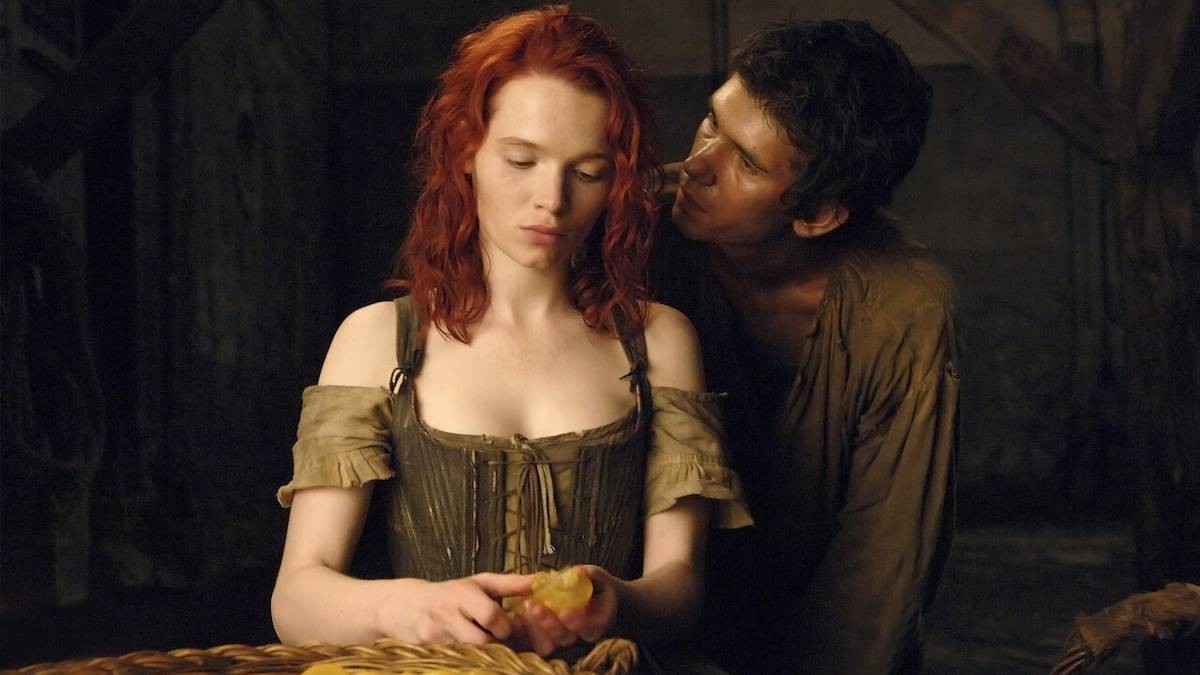
Humans share a complicated relationship with their sense of smell, detailed vividly in Patrick Süskind’s Perfume: The Story of a Murderer. The story follows Jean-Baptiste Grenouille, an orphan in 18th-century France who is born with an exceptional nose that can differentiate between subtle scents around him. While this gift initially pulls Grenouille towards becoming a perfumer, things take a horrific turn after he meets a young girl with a scent that’s impossible to forget. What starts off as intense fascination turns into a morbid obsession with human scent, which he hunts in order to make the most exquisite perfume.
Perfume paints Grenouille as a fascinating antagonist with no scent of his own. Süskind uses his journey as a metaphor for human morality and desire, and how easy it is to be manipulated by factors like profound alienation. A person with no empathetic roots in the world will treat humans like fodder, as Grenouille has never been loved as a child and never grew to discover the sentiment. This is a chilling portrait of a monster whose story ends in a bizarre, haunting way that will leave you stunned.
What's Your Reaction?
 Like
0
 Dislike
0
 Love
0
 Funny
0
 Wow
0
 Sad
0
 Angry
0











Comments (0)