

10 Worst Anime Adaptations Of Great Manga
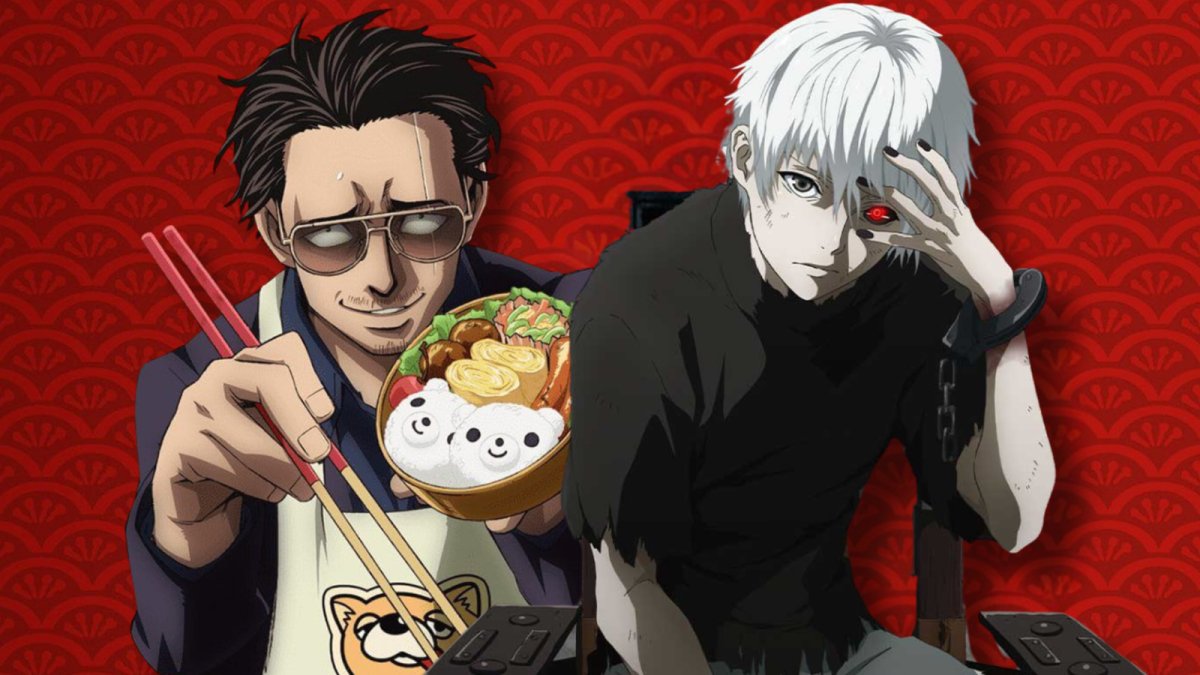
Anime adaptations of manga often draw in larger audiences and invite viewers to explore the original story. Through animation, sound design, music, and voice acting, anime can bring beloved manga stories to life and could even elevate the source material in ways that go beyond what manga can convey. However, the transition from page to screen isn’t always smooth, and sometimes even the most acclaimed manga can receive anime adaptations that fall short of expectations.
Uzumaki

Junji Ito’s Uzumaki is widely regarded as one of the greatest horror manga ever published. Serialized from January 19, 1998, to August 30, 1999, Uzumaki follows Kirie Goshima and Shuichi Saito as their coastal town of Kurouzu-cho slowly becomes consumed by a mysterious spiral curse. What starts out as bizarre incidents gradually becomes a surreal nightmare that revolves around obsession, grotesque transformations, and ever-intensifying psychological horror.
The anime adaptation in the fall of 2024 initially made a strong first impression by faithfully recreating Ito’s distinctive style and atmosphere. However, the early promise it showed unfortunately did not last. Later episodes suffered from a notable decline in animation quality, and the series was condensed into a four-episode run, forcing the story to move at a much faster pace, which in turn reduced the sense of dread that the story should have evoked.
The Way of the Househusband

The Way of the Househusband centers on Tatsu, a former yakuza legend whose fearsome reputation earned him the nickname Immortal Dragon. However, he leaves the criminal underworld behind and dedicates his life to supporting his wife as a full-time househusband. The series is best known for its humor, often stemming from Tatsu’s intimidating appearance in contrast to the mundane responsibilities of domestic life.
Much of the manga’s appeal comes from the expressive artwork and comedic timing. The adaptation of the series, however, is less of a true anime and more of a moving manga. The animation in the Netflix series is heavily limited, relying on static images, camera pans, and minimal movement, making it a difficult watch for some. That said, The Way of the Househusband is a worthwhile story to explore, and the original manga is humorous and memorable.
One-Punch Man
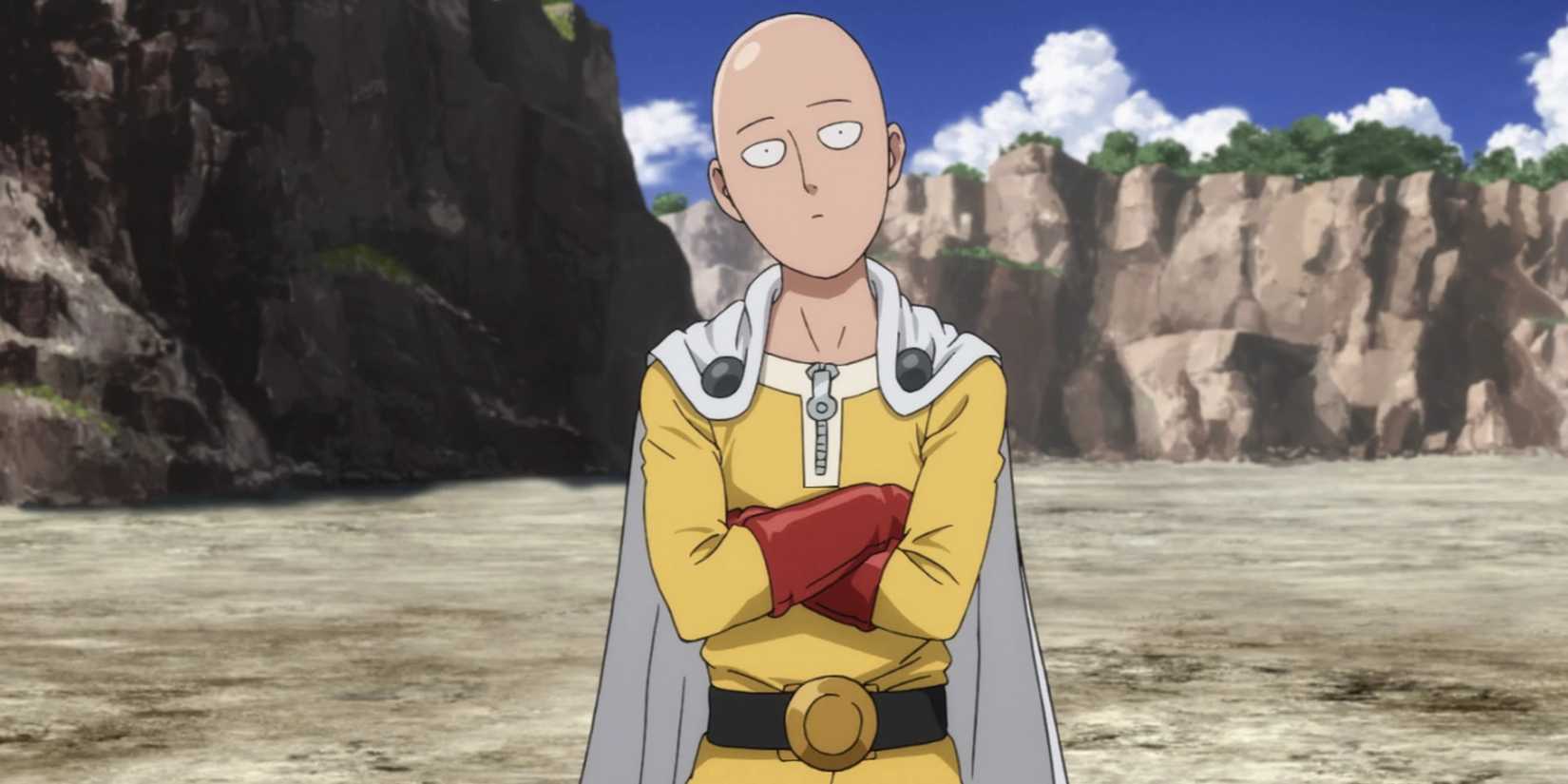
One-Punch Man follows Saitama, a hero so powerful that he ends every battle with a single punch. The series is widely known and popular, standing out as a parody of superhero and shōnen conventions that explore heroism, recognition, flawed hierarchies, and personal fulfillment. The manga is based on ONE’s clever writing and webcomic, which was later adapted into a manga by Yusuke Murata, whose exceptional artwork brought it to life.
After the first season of the anime, its best to pick up the manga or visit the original webcomic for a fuller experience.
By the time One-Punch Man received an anime adaptation, many fans around the world were beyond excited, and the first season delivered in more ways than one. Unfortunately, the second and third seasons struggled to keep up with that standard and became infamous for their visual downgrades and condensed or omitted stories and arcs. After the first season of the anime, it's best to pick up the manga or visit the original webcomic for a fuller experience.
Akame ga Kill!

Akame ga Kill! is a dark fantasy series set in a corrupt, oppressive empire. Following Tatsumi, a young swordsman who travels to the capital in search of more opportunities, Tatsumi discovers that the idyllic vision he had was far from the truth. Joining Night Raid, a group of assassins who are part of the Revolutionary Army, Tatsumi finds himself involved in a rebellion to overthrow the tyrannical empire.
The anime stands out for its unique, original ending, crafting a finale for the series while the manga remained ongoing. While the series is far from terrible, it omits several important arcs, and the anime-only ending dramatically alters major storylines and outcomes for the characters. The ending in the anime is also rather rushed, leaving little to no room for supporting characters to develop, unlike the manga.
Record of Ragnarok

Record of Ragnarok is a tournament-style narrative where humanity’s survival hinges on a series of one-on-one duels against the gods themselves. After the divine council resolves to eradicate humankind, the Valkyries propose a final contest where thirteen legendary human figures drawn from history and mythology must face thirteen deities in combat, with each of these battles determining humanity’s fate.
The anime adaptation does little to enhance the manga’s elaborate, heavily detailed art and instead opts for stills over fluid animation. The manga’s presentation is far more visually dynamic in comparison to the anime, and paired with the adaptation’s stretched reaction shots, the series feels dulled and loses momentum. As a result, the battles don’t hold as much scale or intensity as the manga delivers.
Soul Eater
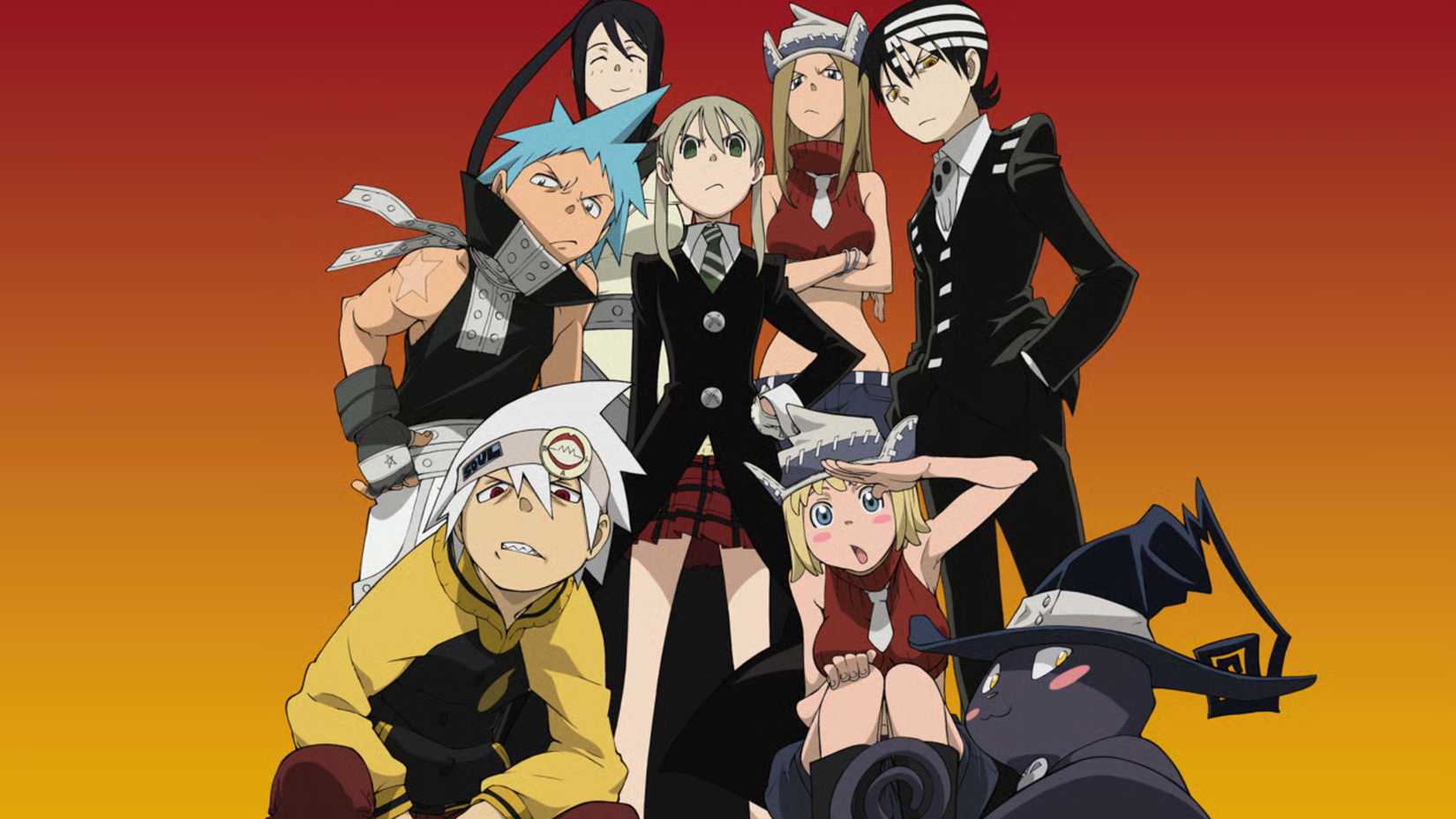
Soul Eater is another dark fantasy series that takes place at Death Weapon Meister Academy (DWMA), where students form partnerships between weapon users and those who can transform into living weapons. The story centers mainly on Maka Albarn and Soul “Eater” Evans, who hunt corrupt souls and witches to transform Soul into a Death Scythe, a weapon wielded by the Grim Reaper, Death himself.
The anime adaptation starts out strong and quickly carves out a unique place for itself with its gothic, cartoonish style. However, the series eventually caught up with the manga, forcing it to diverge from the source material and create its own original storylines and ending that was arguably an out-of-place climax. While it’s far from a bad adaptation, the manga's ending and storylines offer more development and a more satisfying conclusion that perfectly aligns with the story’s themes.
Rosario + Vampire

Rosario + Vampire centers on Tsukune Aono, an ordinary high school student who accidentally enrolls in a school that is secretly inhabited by monsters. While there, he meets Moka Akashiya, a powerful vampire whose abilities are sealed behind a rosary, along with a growing group of other supernatural classmates. The anime series became best known as a romantic, lighthearted comedy and harem that featured monster-themed battles.
However, the manga grows far beyond this. Eventually, Rosario + Vampire evolves into a far more structured storyline with stronger worldbuilding, a heavier focus on combat, and more serious stakes. The anime adaptation, on the other hand, remains rooted in episodic comedy and fanservice-driven storytelling, never reaching the darker, more complex aspects of the original story.
Berserk (2016)

Berserk (2016) adapts Kentaro Miura’s long-running dark fantasy manga, centering specifically on the Conviction Arc and continuing Guts’ story after the Eclipse. The story follows his journey as the black Swordsman alongside new companions as he fights through a world filled with demonic forces and religious fanaticism. It’s widely known for its violent, dense atmosphere and action-packed adventure.
 Related
12 Anime That Represent the Absolute Peak of Their Genres
The anime medium boasts countless titles, but some stand as undeniable embodiments of their genres.
Unfortunately, the 2016 adaptation relies heavily on hybrid 3D CGI, which subverts expectations for the series, given the manga's ultra-detailed art. Character animation is stiff and awkward at times, and camera movement can be abrupt, pulling viewers out of the experience. Paired with massive omissions and condensed arcs, Berserk’s 2016 adaptation is one of the worst.
The Promised Neverland
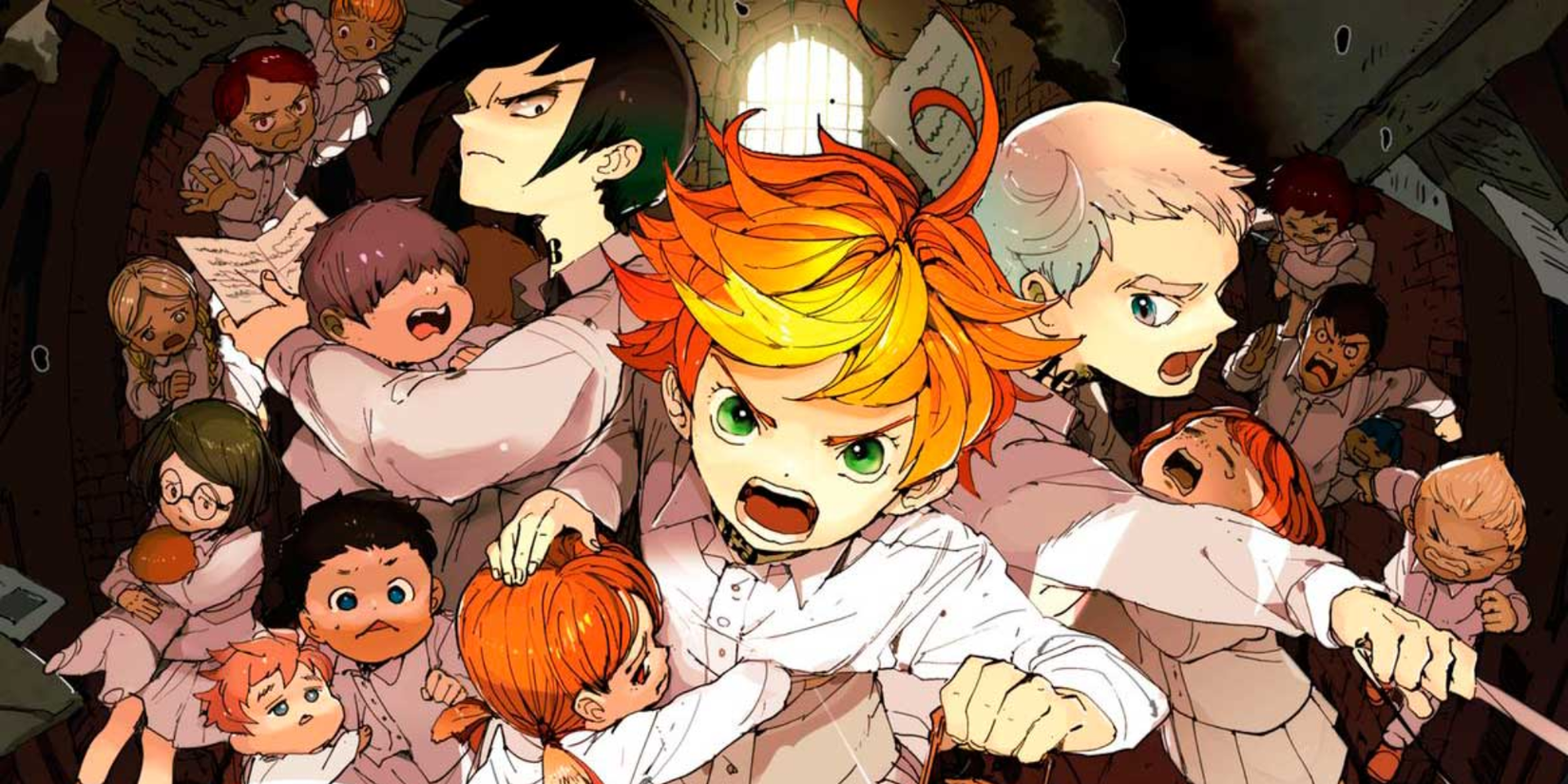
The Promised Neverland centers on Emma, Norman, and Ray, three intelligent orphans living at Grace Field House, a seemingly peaceful orphanage that is overseen by their kind, loving caretaker, Isabella. Once the curtain is pulled back, however, the children discover that they’re being raised as livestock for demons, setting in motion a story of escape and survival.
While the first season successfully captures the tension and stakes of the story, the second season missteps by removing major arcs entirely. In doing so, the anime rushes through critical developments and introductions, leading to a condensed storyline that doesn’t capture the same momentum and energy as the first season.
Tokyo Ghoul

Tokyo Ghoul is a dark fantasy that follows Ken Kaneki, a quiet college student whose life completely changes overnight when an encounter with Rize Kamishiro leads to a near-fatal attack that leaves Ken with an organ transplant that turns him into a half-ghoul. Caught between human society and ghoul society, Ken has no other choice but to adapt, forcing him into a world filled with conflict and tension.
The anime adaptation starts out amazingly and was effective in capturing attention. However, the series soon diverges from the manga in the second season before later installments attempt to rectify this change. Unfortunately, this results in broken continuity and confusing storytelling. Paired with uneven pacing and omitted material, the anime doesn’t offer the same experience as the manga.
What's Your Reaction?
 Like
0
Like
0
 Dislike
0
Dislike
0
 Love
0
Love
0
 Funny
0
Funny
0
 Wow
0
Wow
0
 Sad
0
Sad
0
 Angry
0
Angry
0






Comments (0)