

58-Years Later, 'Blade Runner' Finally Adapts Philip K. Dick’s Weirdest Idea From the Book

Published Nov 28, 2026, 12:01 PM EST
Silka Luisa shares the joy of expanding on Philip K. Dick’s writing
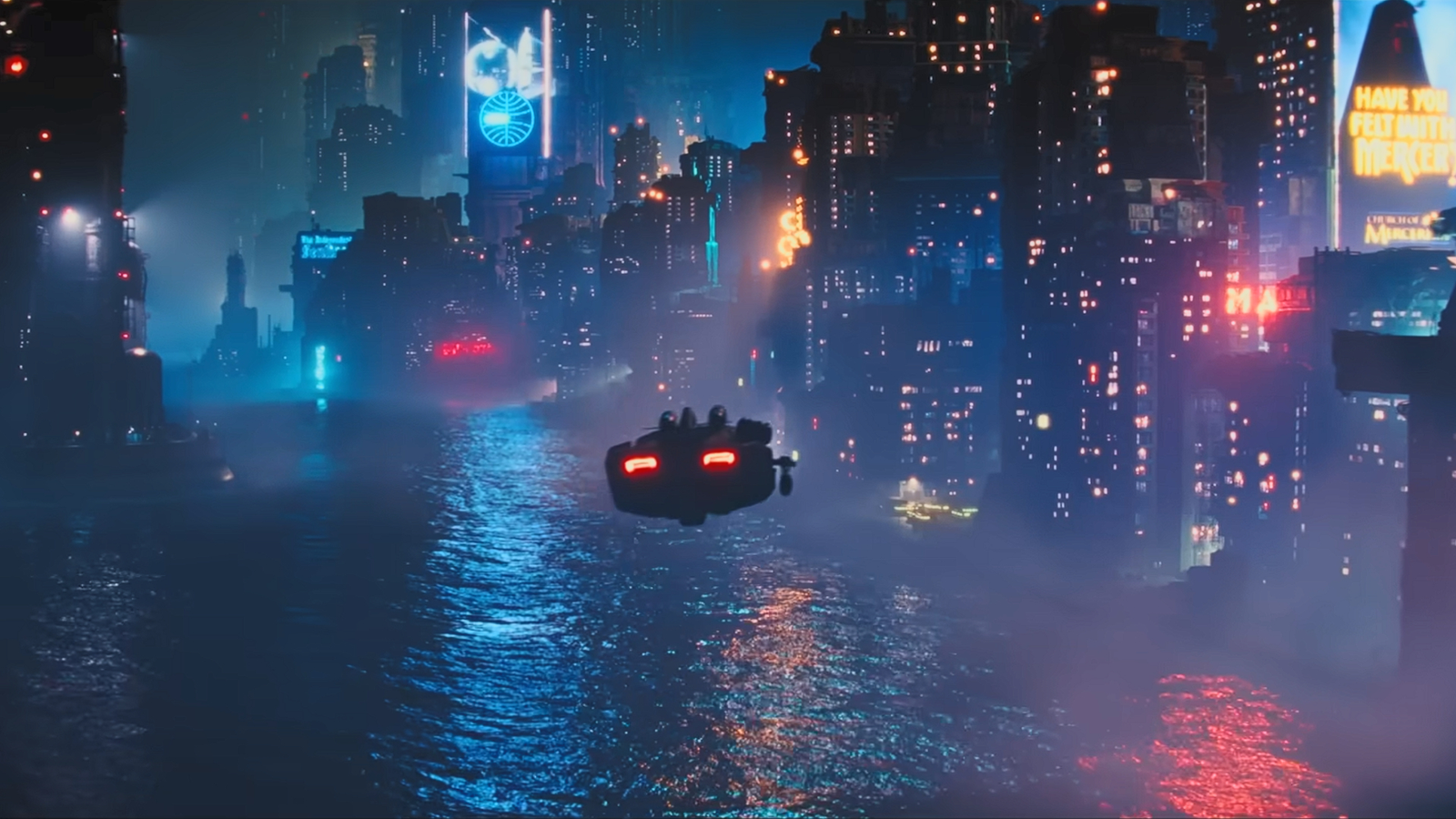 Image: Prime Video
Philip K. Dick’s writing has inspired numerous sci-fi movies and TV series including The Man in the High Castle, A Scanner Darkly, and Minority Report, but those adaptations rarely capture just how strange his works truly were. Case in point: Ridley Scott used the basic plot of Dick’s 1968 novel Do Androids Dream of Electric Sheep? for his 1982 cyberpunk classic Blade Runner, following Rick Deckard (Harrison Ford) as he is tasked with retiring rogue androids that appear human, but he left out a big section of the book dealing with Mercerism, a new religion whose followers use technology to experience the pain of a man being pelted with stones while trying to climb a mountain.
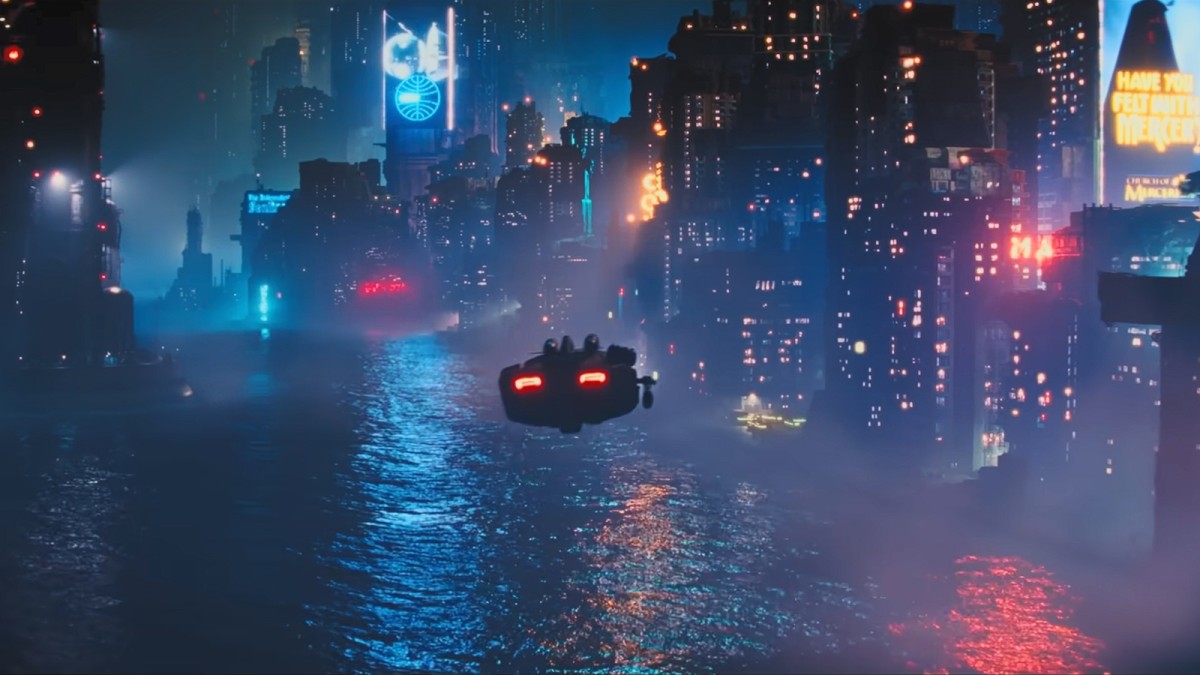
More than half a century later, that detail finally made it to the screen in Prime Video’s Blade Runner 2099. Hints of Mercerism pop up early on signs and billboards in showrunner Silka Luisa's sequel series. But episode six fully delves into the concept as Cora (Hunter Schafer), a human fugitive pretending to be a Replicant Blade Runner, returns to the abandoned Mercerite monastery where she grew up in search of a memory hidden by her mother Helena (Sheila Atim). There she encounters a Mercerite looking to spread the faith by restarting the broadcast of Mercer’s ordeal.
Wilbur Mercer is a martyr, and his followers use an “empathy box” to feel his pain, sharing that experience with others using the technology. The act is meant to distinguish humans from unfeeling androids (the term Replicant wasn’t introduced until Scott’s film). Blade Runner 2099 uses it to explore those same themes as the Replicant Olwen (Michelle Yeoh) is forced to use the empathy box by a Mercerite who wants to see if its power is strong enough to reach her.
 Image: Prime Video
“I just love Mercerism as a concept,” Luisa tells Polygon. “Philip K. Dick’s mind was so incredible and so rich to be able to look so far in the future. The idea that there is a religion based on technology for people that are lonely, looking to connect and create empathy – how relevant is that for today? It was just something from the book I was always curious about. What does an empathy box look like? What kinds of people practice this? What does Mercer walking up a mountain look like? As a fan, you just get the pleasure of being able to pick all the stuff that you wanted to explore and magnify it.”
But while Luisa was able to resurrect some abandoned ideas from Dick's original novel for Blade Runner 2099, she also had to invent entirely new ones to show how this world has continued to evolve from Scott’s vision of 2019.
Blade Runner 2099 creates its own language for terror and vice
 Image: Prime Video
Part of expanding on Dick’s book and the Blade Runner films involved imagining a far future where Replicants have seized control of Earth. Instead of hunting rogue Replicants, Blade Runners now arrest humans using hoods that intubate them and cut off their airflow.
“I’ve seen someone be intubated and it’s just a really horrific, visceral event,” she says. “The idea was to create a device of terror where you could do it in the middle of the street, and it would really stay in people’s minds. Sound design is such an important part of it, because you really want to have an iconic sound that everyone, even if they were a block over, would hear it and be like, ‘Oh my God, I know what’s happening over there.'"
Costume designer Helen Huang based the striking look of the hoods on the work of French comic artist Jean Giraud, better known as Moebius. It was a challenge to create a version that was safe for the actors to wear.
“They’re sort of the tool of oppression without falling into the sort of cliches of fascism,” executive producer Jonathan van Tulleken says. “It was really difficult to find our own language.”
 Image: Prime Video
Blade Runner 2099 also found a new language for vice. While Blade Runner included a strip club and Blade Runner 2049 featured a prostitute, Blade Runner 2099 borrowed the design of a ‘70s New York peep show for a place where Replicants can try on prosthetics to make them feel human.
“Even though Replicants have more agency, that doesn't change the fact that there's components of the human experience that they still want,” Luisa says. “You always want what you can have. They can't get pregnant. They can't grow old. They want to experience that. Wouldn't you? They're surrounded by humans that can still do that. This is a place that instead of selling sex, it sells what they can’t have.”
Blade Runner 2099 is streaming on Prime Video.
What's Your Reaction?
 Like
0
 Dislike
0
 Love
0
 Funny
0
 Wow
0
 Sad
0
 Angry
0










Comments (0)