

All 14 Spider-Man TV Series, Ranked
Spider-Man has been swinging across screens for more than half a century, and while the character is best known for his blockbuster movies, his television history is arguably just as fascinating. Unlike some Marvel superheroes who have had relatively straightforward adaptations, Spider-Man's TV appearances have constantly reinvented the character, experimenting with everything from Saturday morning cartoons and preschool adventures to darker alternate-universe dramas.
Across fourteen different series, audiences have seen countless interpretations of Peter Parker and the wider Spider-Man mythos. Some shows captured the heart of the comics perfectly, while others took unusual swings that were either surprisingly successful or memorable for very different reasons. The franchise has embraced everything from futuristic worlds and strange animation styles to versions of Spider-Man that barely resemble the original comics.
The best Spider-Man shows understand what makes the character work: his intelligence, humor, responsibility, and the everyday struggles behind the mask. However, even the weaker entries often have something interesting about them, whether it is a memorable theme song, an ambitious visual style, or a willingness to take risks.
14 The Amazing Spider-Man (1977–1979)

The first live-action Spider-Man TV series is a fascinating piece of superhero history, but it also shows how difficult it was to bring comic-book heroes to television in the late 1970s.
Starring Nicholas Hammond as Peter Parker, The Amazing Spider-Man was a respectable attempt, but it often feels more like a generic crime drama with a Spider-Man costume added afterward. While The Amazaing Spider-Man deserves credit for trying to adapt Spidey for the first time, it lost much of what made the character so compelling.
13 Marvel's Spidey And His Amazing Friends (2021–)
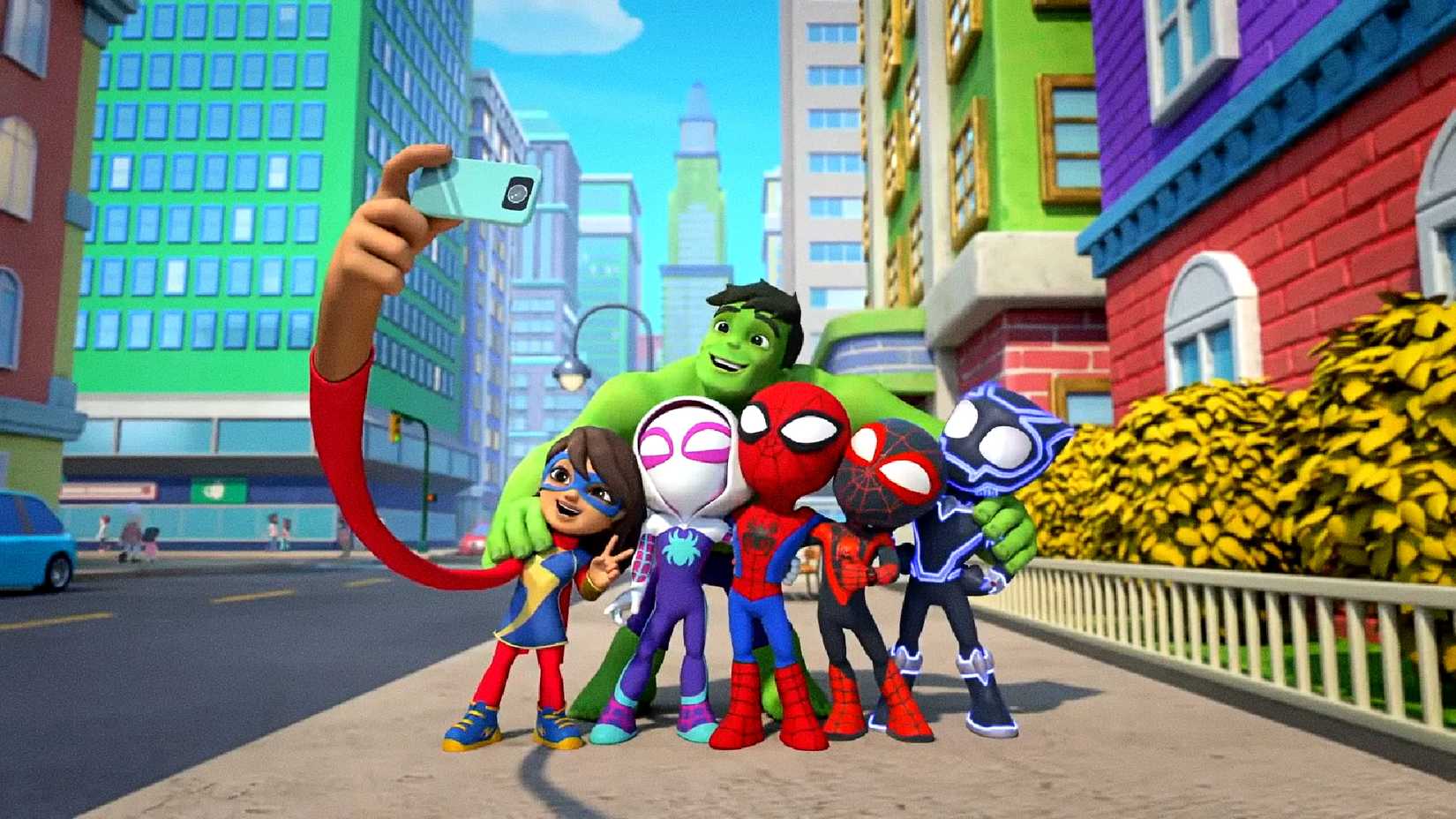
Designed for preschool audiences, Marvel's Spidey and His Amazing Friends represents one of the most accessible versions of Spider-Man ever created. The animated series follows younger versions of Spider-Man, Ghost-Spider, and Miles Morales as they work together to solve problems and battle villains.
Its greatest strength is understanding its audience. It introduces young viewers to superhero concepts while emphasizing teamwork, friendship, and helping others. It is also notable as the first full-length Marvel animated series specifically targeted toward very young audiences. While valuable, Spidey and his Amazing Friends is too simplistic for average audiences.
12 Japanese Spider-Man (1978–1979)

Few Spider-Man adaptations have taken bigger creative liberties than Japanese Spider-Man. Instead of following Peter Parker, it centers on Takuya Yamashiro, a Japanese motorcycle racer who gains spider powers after encountering an alien spider.
Spidey battles evil robots and giant lizards in a much more exaggerated style than anything seen in traditional Spider-Man stories, similar to many Japanese television series of the era. For comic purists, it is obviously a massive departure. However, judged on its own terms, Japanese Spider-Man is surprisingly entertaining.
11 Spider-Man (1967–1970)

The original animated Spider-Man series remains one of the most recognizable versions of the character. The animation is extremely dated by modern standards, with limited movement and occasionally strange visuals. However, it still captures many of the basics that make Spider-Man appealing.
Peter Parker balances heroism with personal problems, and the series delivers plenty of classic comic-book adventures. Its biggest legacy is the iconic theme song, which transcended the show itself. While newer adaptations have dramatically improved Spider-Man animation, the 1967 series remains an important part of the character's history.
10 Spider-Man: The New Animated Series (2003)

Released alongside the popularity of Sam Raimi's Spider-Man movies, Spider-Man: The New Animated Series attempted to create a more modern interpretation of the character. It featured MTV-style computer animation and focused on a college-aged Peter Parker.
The New Animated Series deserves credit for telling more mature stories and exploring Peter's relationships in ways that differed from previous adaptations. It also benefited from strong voice performances and a willingness to move beyond simple superhero adventures. Unfortunately, its early 3D animation has not aged particularly well, and is more distracting than dynamic.
9 Spider-Man (1981–1982)
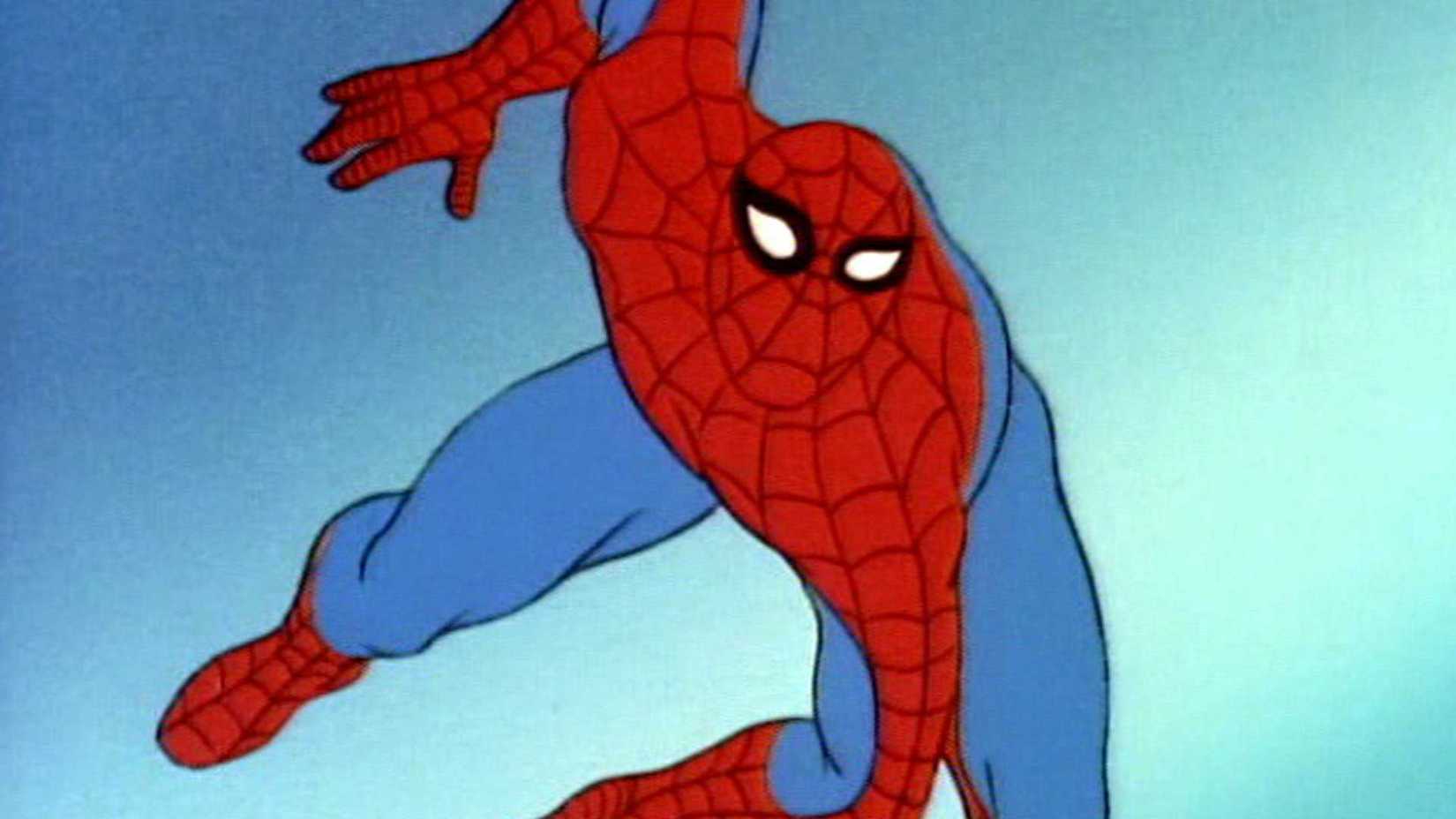
The 1981 animated Spider-Man series is straightforward, colorful, and occasionally very dated. This version of Spider-Man captures the basic appeal of the character while delivering very traditional comic-book adventures.
The animation may not match modern standards, but it has a charm that makes it enjoyable for those who appreciate older superhero cartoons. Compared to later Spider-Man series, it is relatively simple, but it benefits from focusing on Spider-Man’s fundamental characteristics.
8 Spider-Man Unlimited (1999–2001)

Spider-Man Unlimited was one of the most ambitious Spider-Man cartoons ever attempted. Following on from Spider-Man: The Animated Series, Spider-Man Unlimited sent Spider-Man to Counter-Earth, creating an entirely different setting and mythology. The futuristic concept was certainly bold, and it featured a more mature tone that separated it from previous Spider-Man cartoons.
However, ambition did not translate into success. The unfamiliar setting and complicated premise prevented it from connecting with many viewers, and Spider-Man Unlimited never reached the popularity of other Spider-Man adaptations.
7 Spider-Man And His Amazing Friends (1981–1983)
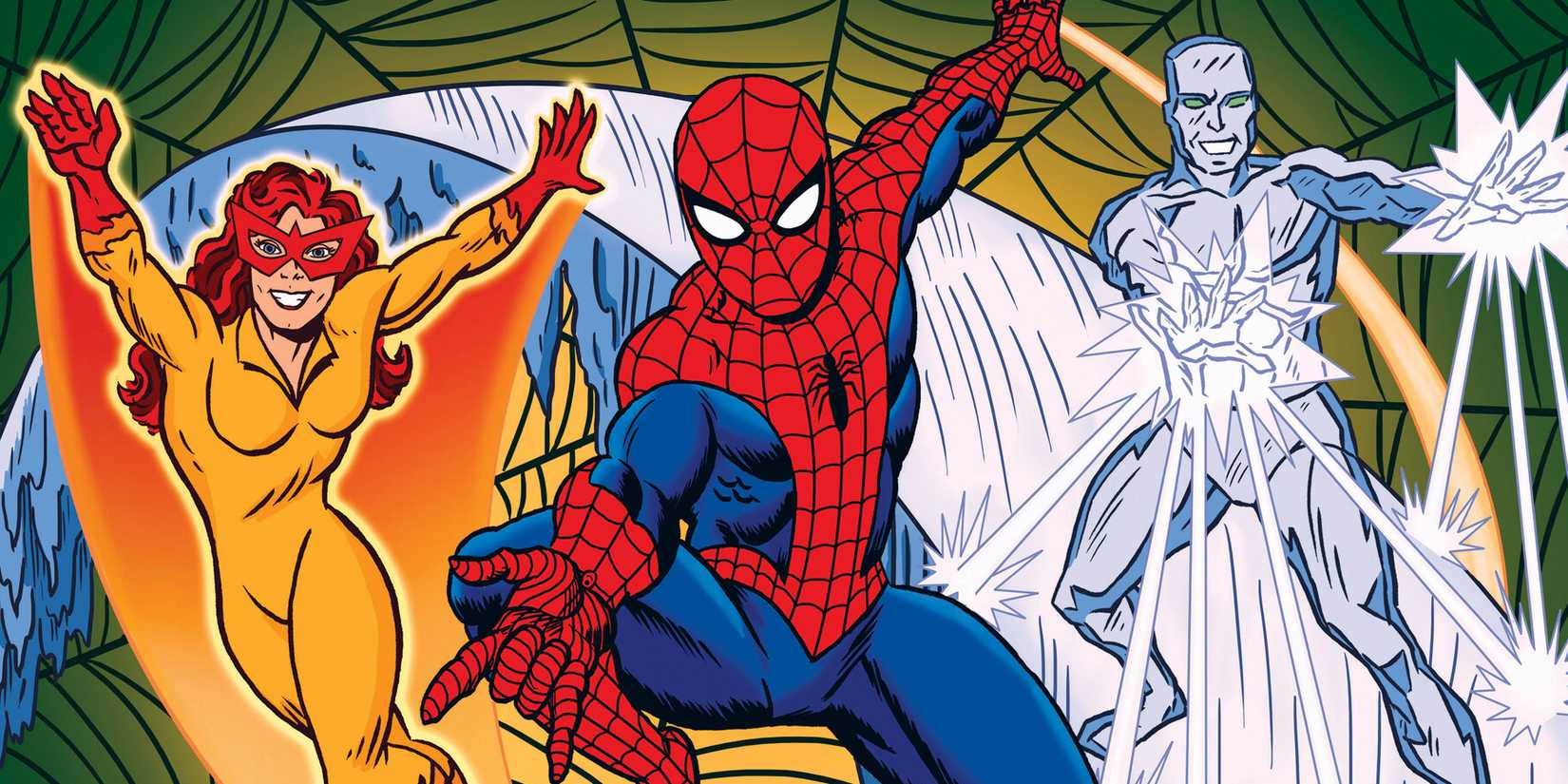
Spider-Man and His Amazing Friends is one of the most beloved early Spider-Man cartoons despite being extremely dated today. It teamed Spider-Man with Iceman and Firestar, creating a very memorable superhero trio. The animation and dialogue can feel stilted by modern standards, but the charm is undeniable.
Spider-Man and His Amazing Friends embraced the fun of Marvel's wider universe and fostered a palpable sense of adventure. While it may not have the emotional complexity of later Spider-Man shows, it captures the excitement of seeing Marvel heroes share the screen.
6 Marvel's Spider-Man (2017–2020)

Marvel's Spider-Man brought a fresh animated take on Peter Parker by emphasizing one of his most important traits: his intelligence. The series highlights Peter's scientific abilities and presents him as a young hero who uses creativity and technology alongside his powers. Although it arrived after several acclaimed Spider-Man cartoons, it established its own identity.
Marvel's Spider-Man focused on Peter's growth, friendships, and responsibilities while exploring the wider Marvel universe. It may not have the same reputation as the very best Spider-Man adaptations, but it successfully modernized the character for a new generation.
5 Ultimate Spider-Man (2012–2016)

Ultimate Spider-Man brought a more comedic and modern approach to the character. Inspired by the Ultimate Marvel version of Spider-Man, the series placed Peter Parker alongside a larger group of Marvel heroes. It was stylish, energetic, and packed with superhero action.
Ultimate Spider-Man embraced humor more heavily than many previous adaptations, occasionally breaking the fourth wall and playing with traditional storytelling. While it was not as groundbreaking as some hoped, it was a slick and highly entertaining interpretation of Spider-Man. Its animation, pacing, and larger Marvel connections helped it stand out.
What's Your Reaction?
 Like
0
Like
0
 Dislike
0
Dislike
0
 Love
0
Love
0
 Funny
0
Funny
0
 Wow
0
Wow
0
 Sad
0
Sad
0
 Angry
0
Angry
0









Comments (0)