

Capture the Night: ProMaster’s Summer 2026 Astrophotography Guide
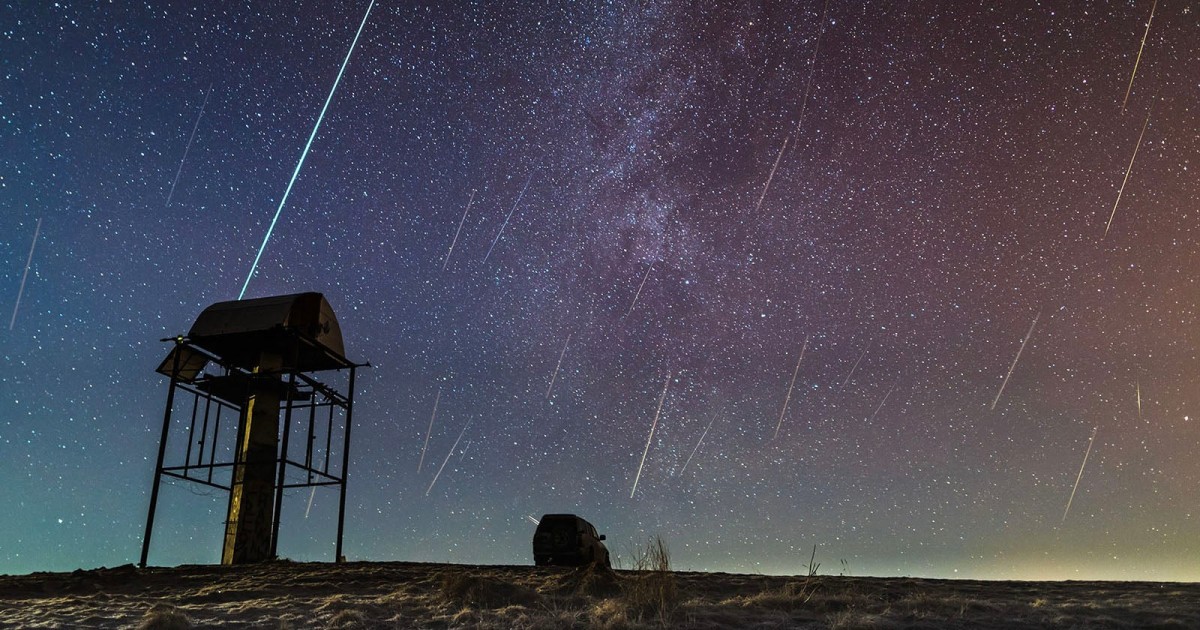
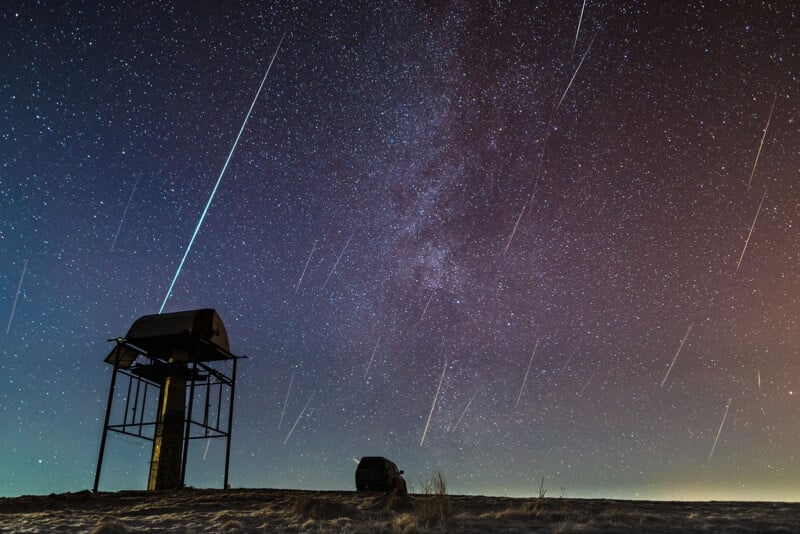
Summer 2026 is shaping up to be an incredible season for astrophotography. At ProMaster, we believe that the right equipment shouldn’t just support your camera, it should be an extension of your creative process. With a calendar packed with planetary pairings, meteor showers, and two significant eclipses, the next few months provide the ultimate testing ground for your gear and your technique.
We’ve curated a guide to the summer’s best nighttime events, along with our professional recommendations for the tools you need to capture every celestial milestone.
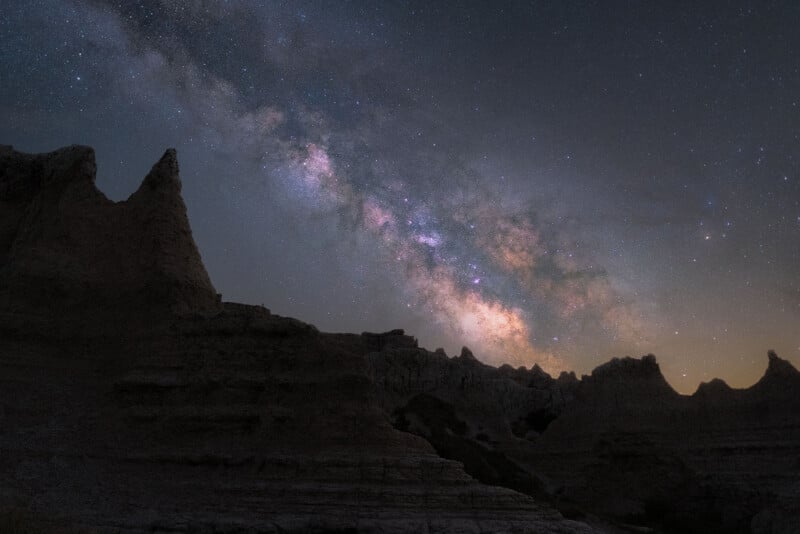
July: Peak Milky Way Season
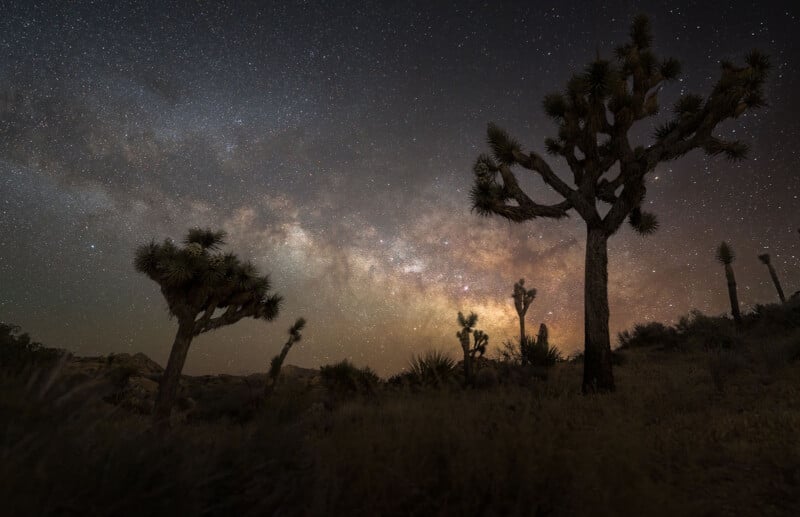
The new moon on July 14 offers some of the best Milky Way conditions of the year. The galactic core will be riding high, nighttime temperatures are more manageable, and, most importantly, the moonlight will be out of the way. If you’re planning one dedicated astrophotography trip this summer, this is one to consider.
July will deliver a pair of meteor showers: the Southern Delta Aquariids and Alpha Capricornids both peak on July 30 and 31. While the moon may wash out some of the fainter activity, the Alpha Capricornids are famous for producing bright fireballs; the kind of spectacular sights that demand a steady camera and a quick shutter.
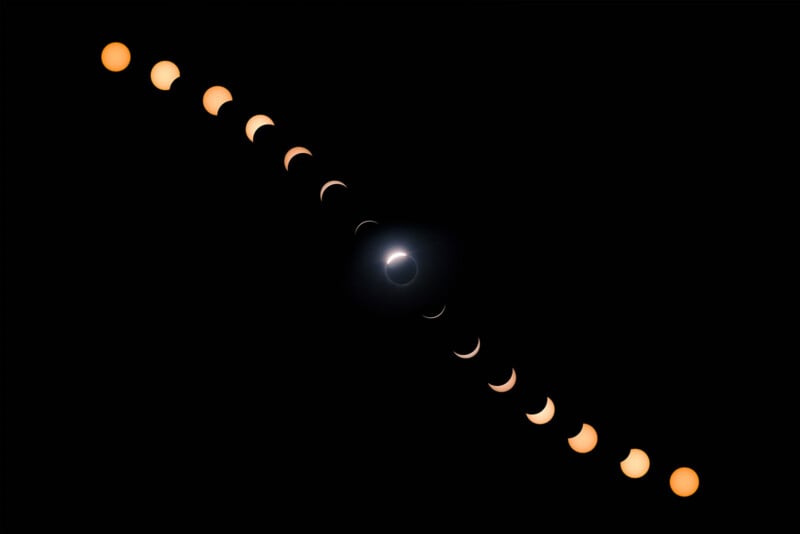
August: Meteor Showers and Eclipses
On August 12, the Perseid meteor shower will reach its peak under a new moon, creating nearly perfect dark-sky conditions. You can expect dozens of meteors per hour, including bright streaks across the frame.
Interestingly, August 12 also features a solar eclipse. While totality will be visible across parts of Iceland, Greenland, Portugal, and Spain, observers across portions of North America will still see a partial eclipse. With a meteor shower peak and a new moon coinciding, this is a standout night to plan around—and you might even consider running a multi-camera setup to capture everything.
Ending on a High Note: The Lunar Eclipse
Summer wraps up with a deep partial lunar eclipse on August 27-28. At maximum, Earth’s shadow will cover up to 96% of the Moon’s surface, giving it a dramatic, copper-red appearance. Visible throughout the United States and Canada, this is one of the most accessible, major astronomy events of the season.
Mastering the Night: Our ProMaster Recommendations
Capturing the night sky is as much about preparation as it is about gear. Scout your location during the day, check your moon phases, and ensure you have enough time to set up well before the action begins.
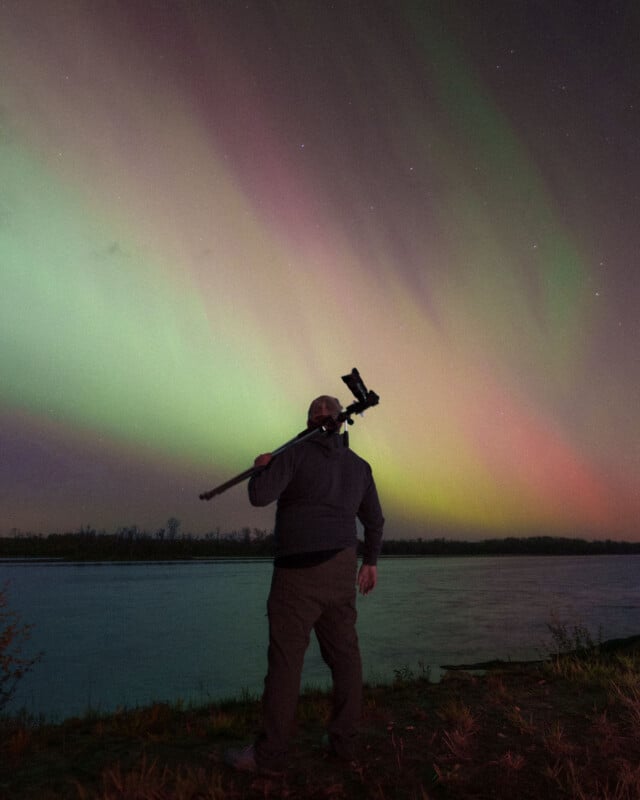
When you’re out under the stars, the difference between a crisp, stunning image and a blurry disappointment is usually your support system. In our experience, the tripod is the MVP of any astrophotography kit.
A tiny vibration that wouldn’t matter as much during a daytime landscape shoot will absolutely ruin a long exposure of the Milky Way. That is exactly why we recommend the Epoch tripod, a tripod made to feel integrated into your image-making process.
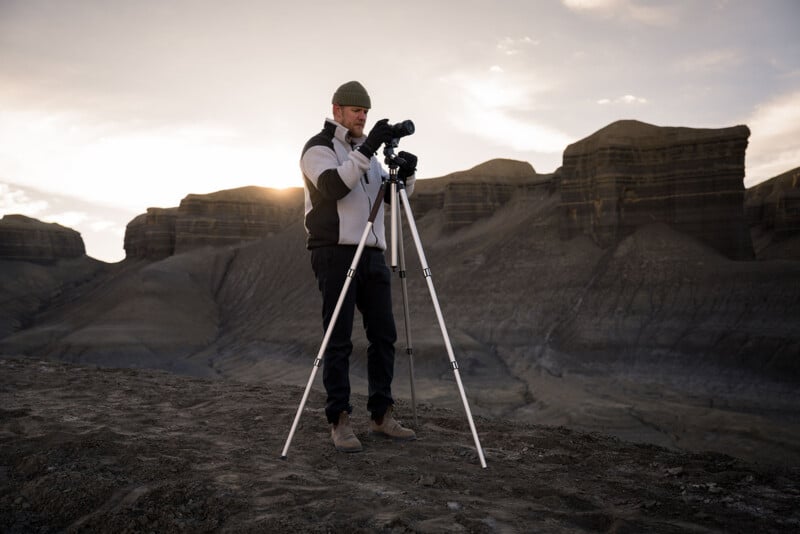
Here’s how the Epoch makes the difference for astrophotography:
- Stability over everything: Many travel tripods use four or five leg sections, but every additional joint creates another point of potential flex. The Epoch uses a 3-section design with larger diameter aluminum legs to provide a noticeably sturdier foundation. On windy nights, that extra stability is a game-changer.
- Precise controls: The Epoch’s 4-way pan-and-tilt head isolates movement to individual axes, making it effortless to dial in your composition, whether you’re aligning a mountain peak beneath the galactic core or tracking a celestial event, without affecting other settings.
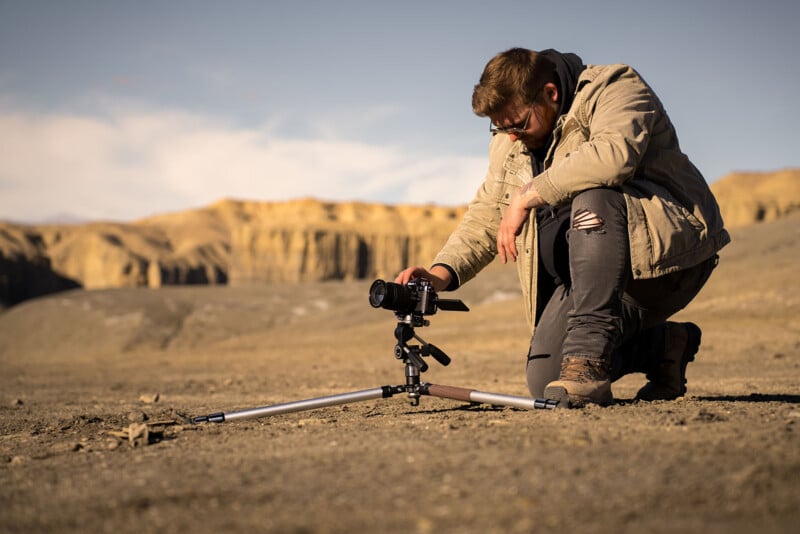
- Versatility: Some of our favorite astrophotography images incorporate foreground elements, which often requires getting the camera low to the ground. The Epoch’s independently adjustable leg angles allow for a minimum working height of just 11 inches, so you can experiment with unique perspectives without compromising stability.
PRO Tip: Don’t forget a remote shutter. Once your tripod is set, the last thing you want to do is introduce vibration by pressing the shutter button with your hand. A remote shutter ensures your images remain sharp from the first frame to the last.
Most importantly: get outside and enjoy the view. We can’t wait to see what astonishing images you create this summer. Be sure to share your work with us by tagging @promasterphoto on Instagram!
Image creditsPhotos provided courtesy of ProMaster
What's Your Reaction?
 Like
0
Like
0
 Dislike
0
Dislike
0
 Love
0
Love
0
 Funny
0
Funny
0
 Wow
0
Wow
0
 Sad
0
Sad
0
 Angry
0
Angry
0







Comments (0)