

HBO's 6-Season Masterpiece Rewrote The Rules Of Crime Dramas

Published Jun 14, 2026, 5:30 PM EDT
Faith Roswell is a Senior Writer on Screen Rant's Classic TV team. Since earning her degree in Creative Writing over a decade ago, Faith has written articles on film and TV from a variety of different angles. Faith now combines her knowledge of psychology with her love of monster movies to give more insight into what makes the best ones.
You may have read her Screen Rant lists and features covering horror, sci-fi, and fantasy, or read her Amazon Top 10 book, "Movie Monsters of the Deep."
Faith has had an extensive career as a writer, appearing on BBC live radio, researching true crime for Rotten Mango podcast, and writing for publications including Mental Floss, Atlas Obscura, and The Daily Jaws before beginning here at Screen Rant.
Great TV crime dramas are often the grittiest and most realistically violent shows. However, before the late 90s, the term usually described more formulaic police procedural TV series like Law & Order, which followed a "criminal of the week" format, with the antagonist on one side and the good characters firmly on the other. Great crime thriller movies like The Silence of the Lambs often had more complex villains, but a major change in the TV landscape occurred after a slow-running TV drama with a deeply unlikable main character became an unexpected hit.
When The Sopranos first aired in 1999, it was the exact opposite of virtually every crime drama on TV. Rather than set the mafia against a heroic detective or dogged crime scene investigator, the show made mafia boss Tony Soprano the central protagonist. Unlike "gentleman thief" characters or even stylish villains like Pulp Fiction's Vincent Vega, Tony was an adulterous, murdering bully with few redeeming features. Without a clear hero to root for, viewers were drawn into Tony's messy world, which had an unexpected depth and some bizarre moments.
With Tony in therapy for panic attacks, viewers got to see him in three different ways; as a spectator, through Tony's own eyes, and as Doctor Melfi saw him. This introspective approach over a long story arc provided the kind of character study that movies never had the chance to explore, while the best Sopranos episodes felt like short movies in their own right. The cinematic episode "Pine Barrens" is a standalone masterpiece, but it is far from the only episode that pushed the boundaries of storytelling, and this approach raised the bar for both a genre and a network.
The Sopranos' Run On HBO Helped Set New Standards For Crime Dramas On TV
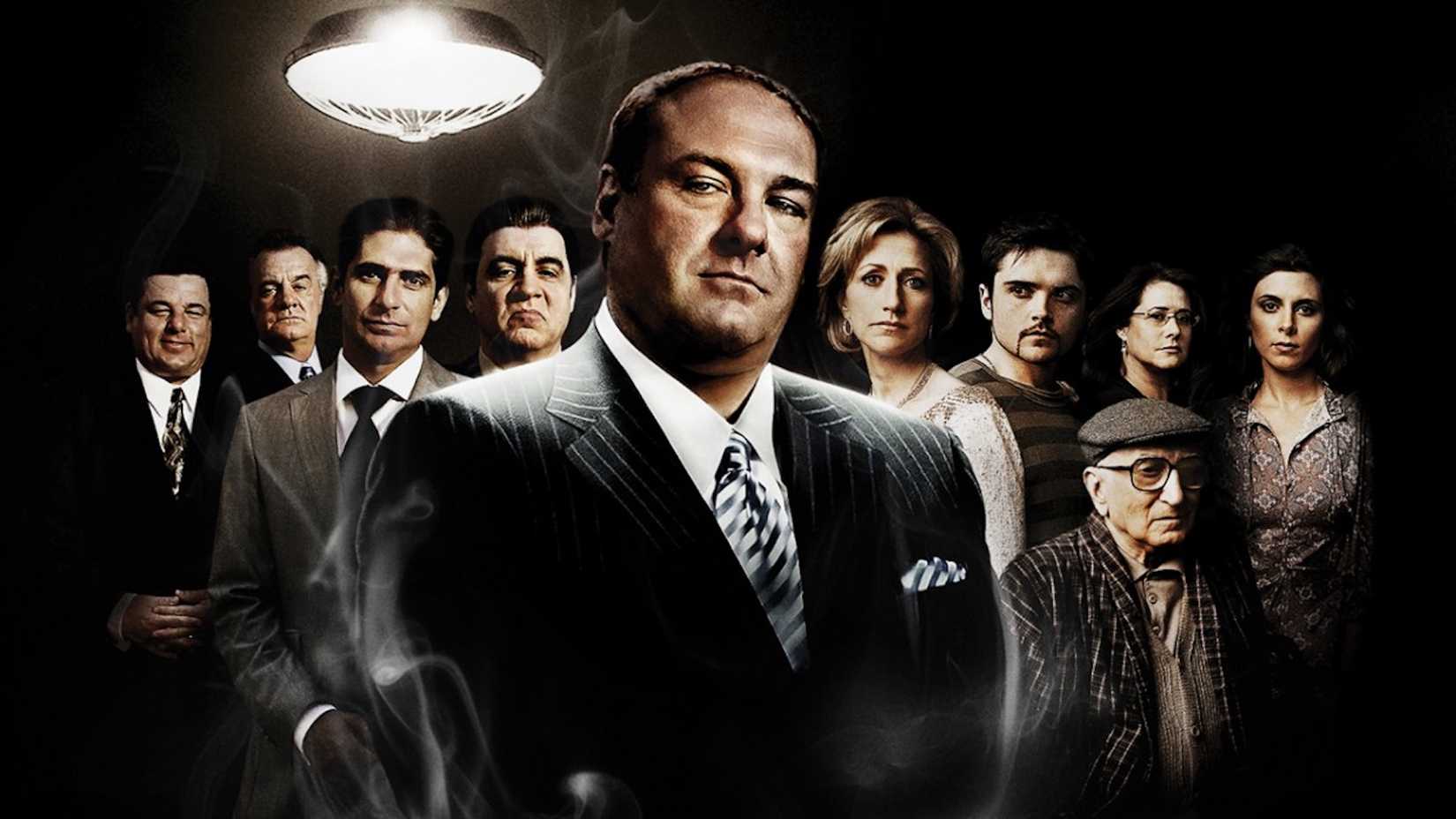
The Sopranos quickly became HBO's flagship show, with James Gandolfini becoming a household name for his standout performance as Tony. The show's success introduced the age of the prestige drama, which presented complex characters without the need to redeem them before asking audiences to understand and even root for them. While The Sopranos continued to impress audiences, HBO took on other complex and cinematic dramas, remaining at the center of this Golden Age of Television.
|
Season |
Year |
Rotten Tomatoes critics' score |
Rotten Tomatoes audience score |
|
1 |
1999 |
98% |
96% |
|
2 |
2000 |
94% |
97% |
|
3 |
2001 |
100% |
97% |
|
4 |
2002 |
92% |
95% |
|
5 |
2004 |
93% |
96% |
|
6 part 1 |
2006 |
89% |
95% |
|
6 part 2 |
2007 |
84% |
95% |
Following the groundbreaking impact of The Sopranos, HBO screened several masterpieces with no bad episodes, with prestige drama series coming to define the network. However, the show's influence did not end with raising the network's profile. The Sopranos also revolutionized the crime drama genre by moving away from simplistic stories with fully good and bad characters, and even giving its most villainous characters a human side.
How The Sopranos Helped Pave The Way For Other Prestige Crime Dramas

The Sopranos combined the longevity of a soap opera, in which viewers could follow characters for years of their lives, with the cinematic aesthetic of an art house movie. Tony was not the only character to be fully explored, with Corrado "Uncle Junior" Soprano's descent into dementia making him one of the most tragic characters in The Sopranos. This slow decline of a main character took place over years, which paved the way for the harrowing journeys seen in later dramas like Boardwalk Empire and Mad Men.
Plenty of TV shows give insight into law enforcement, but by setting the action within the insular mafia community, The Sopranos offered a glimpse into the runnings of a criminal empire. Mad Men would later follow suit, entering the cutthroat world of advertising, and Sons of Anarchy cast Jax Teller and his motorcycle club as the protagonists. While not always true to life, these newer shows continued the legacy of The Sopranos by focusing on complex antiheroes within worlds that have traditionally been secretive.
The Sopranos and The Wire are both masterpieces, but The Wire took the creative approach to the crime genre a few steps further, raising questions about the sociological aspect of crime. The Sopranos analyzed the way Tony's work affected his family dynamics, but The Wire presented crime as the result of failing systemic issues, giving insight into the school system, foster care, and other societal systems. Each chapter in the "visual novel" is linked to the others, reflecting the way in which small details in The Sopranos later have a major impact on seemingly unrelated storylines.
The Sopranos is sometimes compared to Breaking Bad, as its terrifying meth kingpin straddles family life with his hidden identity, and Vince Gilligan famously told The Hollywood Reporter that "without Tony Soprano, there would be no Walter White." Both Ozark and The Americans also mirror the tone and family dynamic of the iconic show, and today it is hard to imagine the TV landscape without prestige dramas. These in turn could not have been created without The Sopranos rewriting the rules of crime dramas.
Source: The Hollywood Reporter
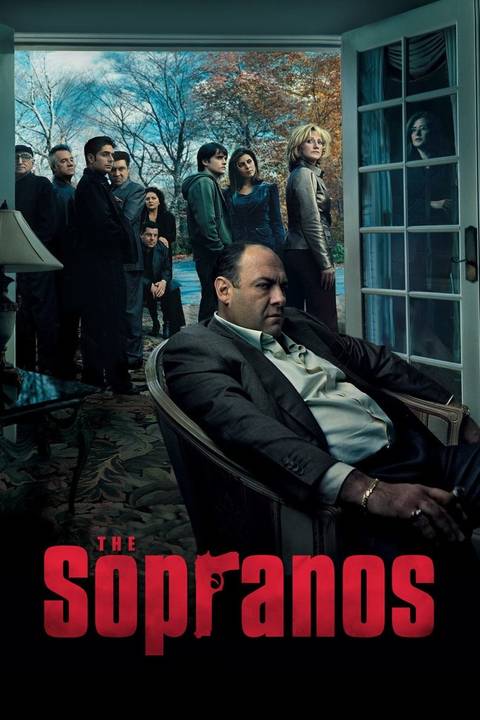
The Sopranos

10/10
Release Date 1999 - 2007
Network HBO
Showrunner David Chase
-

James Gandolfini
Tony Soprano
-

What's Your Reaction?
 Like
0
Like
0
 Dislike
0
Dislike
0
 Love
0
Love
0
 Funny
0
Funny
0
 Wow
0
Wow
0
 Sad
0
Sad
0
 Angry
0
Angry
0










Comments (0)