

Meta Hit With Class-Action Lawsuit For Allegedly Using Instagram Photos to Build ‘Name Tag’
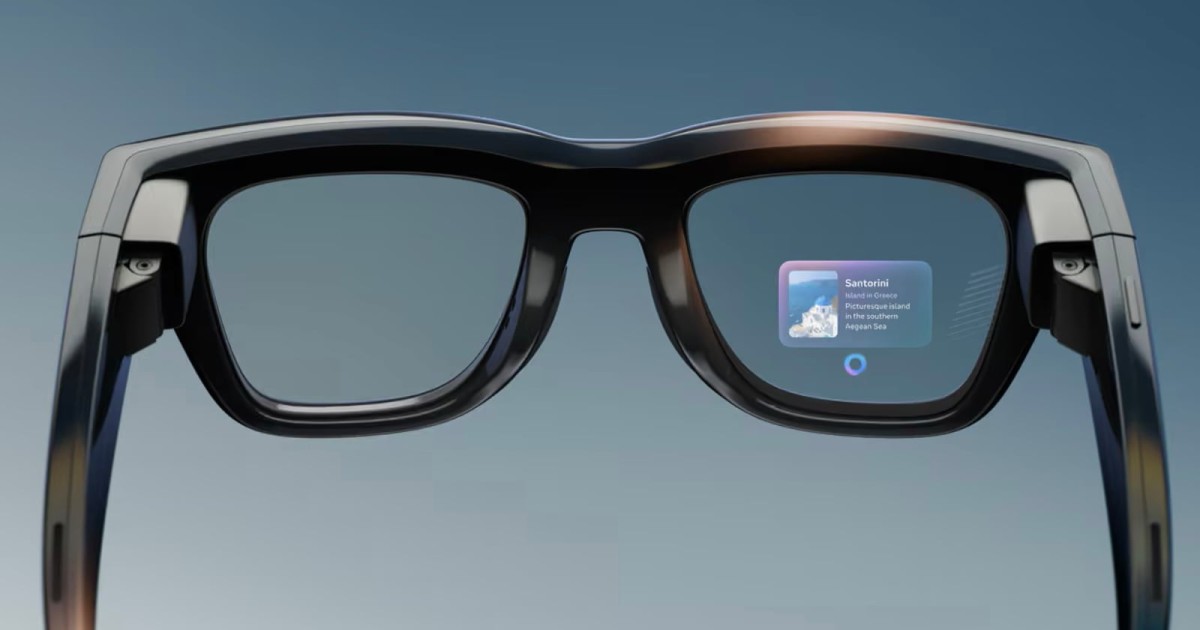

A federal class-action lawsuit has been launched accusing Meta of harvesting millions of photographs from Facebook and Instagram to build “Name Tag”, an unreleased facial recognition system for its smart glasses.
The lawsuit was brought by two families, one in Illinois and one in California, who also allege Meta used the same photos to build its generative AI models Emu and Muse image.
Name Tag was discovered in the code of a companion app for its line of smart glasses. But with fury already mounting over the wearable tech, that’s seen them dubbed “pervert glasses,” Meta reportedly removed Name Tag from the companion app.
While the lawsuit acknowledges that Meta hasn’t actually released Name Tag, the plaintiffs argue that the so-called “faceprints” may have been ripped from Facebook and Instagram.
“In other words, Meta had a collection of biometric identifiers and information in the form of faceprints on its servers that it is ready to use for facial recognition via NameTag,” the lawsuit reads.
“Once the NameTag feature is activated by Meta, any image of a person’s face captured by Meta Glasses would be analyzed to extract a faceprint that would then be matched against Meta’s storehouse of faceprints for purposes of facial recognition.”
Wired notes that the complaint also takes aim at Meta’s AI image models, alleging that the company illegally trained its models on biometric information.
The Muse image model sparked a backlash this summer when it was released because Meta was going to allow people to generate AI images of other people if they had a public Instagram account. The company quickly shelved the feature shortly after it was announced.
In a statement to Wired, Meta says that “this lawsuit is without merit and misrepresents our work. We’ve been transparent about how we use people’s information to build and improve our AI products. As for Name Tags, nothing has shipped to consumers and no final decision has been made on what to do here, if anything. If we do decide to roll something out, we will take a thoughtful approach and do so with full transparency. One decision we can be clear about—we are not building a universal face database.”
Affiliate Disclosure PetaPixel articles may include affiliate links; we may earn a commission if you buy through one.
What's Your Reaction?
 Like
0
Like
0
 Dislike
0
Dislike
0
 Love
0
Love
0
 Funny
0
Funny
0
 Wow
0
Wow
0
 Sad
0
Sad
0
 Angry
0
Angry
0












Comments (0)