

Model accuses New Zealand fashion label of using AI to mimic his appearance in marketing campaign
- Have YOU got a story? Email [email protected]
- See more Daily Mail on Google - save us as a Preferred Source
By MONIQUE FRIEDLANDER, ASSISTANT SHOWBUSINESS EDITOR, AUSTRALIA
Published: 05:21 BST, 9 June 2026 | Updated: 05:28 BST, 9 June 2026
A New Zealand model has accused Kiwi fashion brand Huffer of using AI to replicate his likeness without his consent in a new marketing campaign.
In an Instagram video last week, Elijah Timmins-Scanlon explained that he'd noticed a model that looked like a mashup of himself and his brother in a new photoshoot uploaded by Huffer.
Elijah and his brother had previously worked for the brand, but not for that particular photoshoot.
The video quickly went viral, with several other models claiming that they have also been affected by brands using their likeness in AI-generated photo shoots.
Timmins-Scanlon's Instagram account has since been deactivated by Instagram, but the model has continued to speak out via a backup account.
'This is not a David and Goliath battle. I'm not trying to take down Huffer, I truly believe that's not good for anybody,' he said in a video uploaded on Monday.
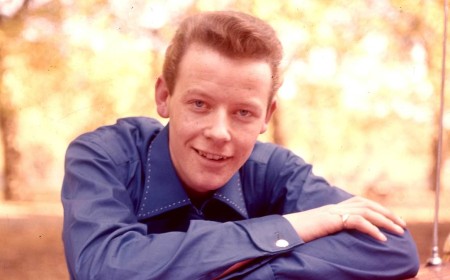
A New Zealand model has accused Kiwi fashion brand Huffer of using AI to replicate his likeness without his consent in a new marketing campaign. (Pictured is the image featuring a model, right, that model Elijah Timmins-Scanlon claims resembles himself)
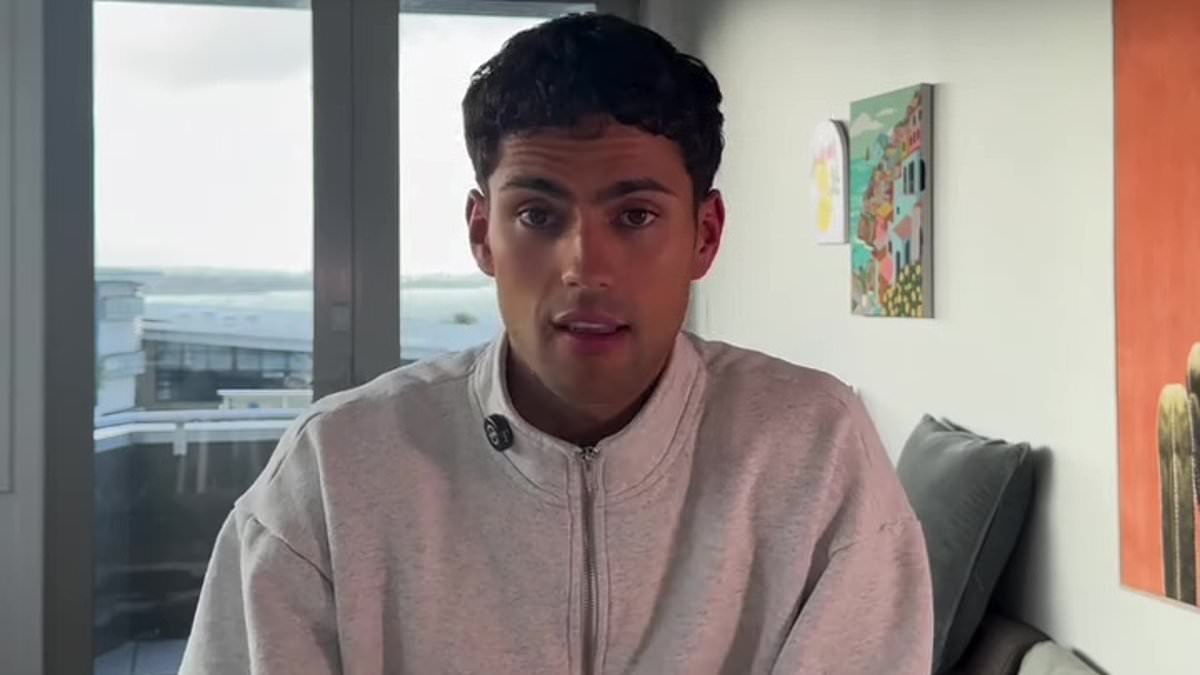
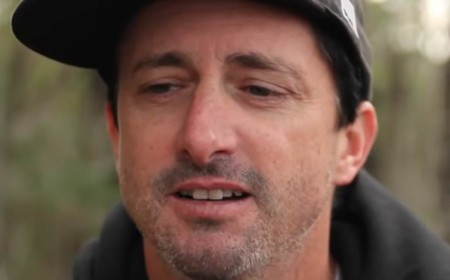
In an Instagram video last week, Elijah Timmins-Scanlon (pictured) explained that he'd noticed a model that looked like a mashup of himself and his brother in a new photoshoot uploaded by Huffer. Elijah and his brother had previously modelled for the brand
'I'd just like to reiterate that my intentions were and still are that I was just sharing my video to voice my concern on the use of AI and likeness in the industry.'
Meanwhile, Huffer's managing director Kate Berry has refused to comment on whether the image was generated with AI, but did admit that the brand uses 'computer-assisted technologies' in 'all parts of our business, just like everyone.'
'We, and every design company, use computer-assisted design, and that design technology is evolving. I'm not making any comments, and specific comments, on that person and what they are saying at the moment,' Berry told The Post.
Berry denied that the image resembled Timmins-Scanlon, however.
'Maybe he should just think about why he's not getting work from other people,' she later added.
'We have models in our studio every day... It is just lunacy to think that computer-assisted anything is not going to be part of a business of any size,' she added.
Elijah Timmins-Scanlon has claimed that Huffer has threatened legal action.
Further, he claimed that when he raised his concerns about the use of AI with Huffer, the brand blocked him on Instagram.
The video quickly went viral, with several other models claiming that they have also been affected by brands using their likeness in AI-generated photo shoots. (Pictured: A genuine image of Elijah Timmins-Scanlon)
While there are currently no laws in Australia banning AI-created models outright, brands can still face legal trouble if campaigns are considered misleading or deceptive.
Under Australian Consumer Law, companies cannot trick consumers into believing an AI-generated person is real, or heavily alter how clothing fits, drapes or looks in real life.
The biggest legal risk comes when AI is used to replicate a real person's likeness without permission.
Although Australia does not have a specific 'image rights' law like the US, celebrities, influencers and models could still potentially take action under privacy, defamation or misleading endorsement laws if their appearance is copied by AI.
What's Your Reaction?
 Like
0
Like
0
 Dislike
0
Dislike
0
 Love
0
Love
0
 Funny
0
Funny
0
 Wow
0
Wow
0
 Sad
0
Sad
0
 Angry
0
Angry
0






Comments (0)