

Nikon Z5 IIC Review: Smaller, Prettier, and Mostly Capable
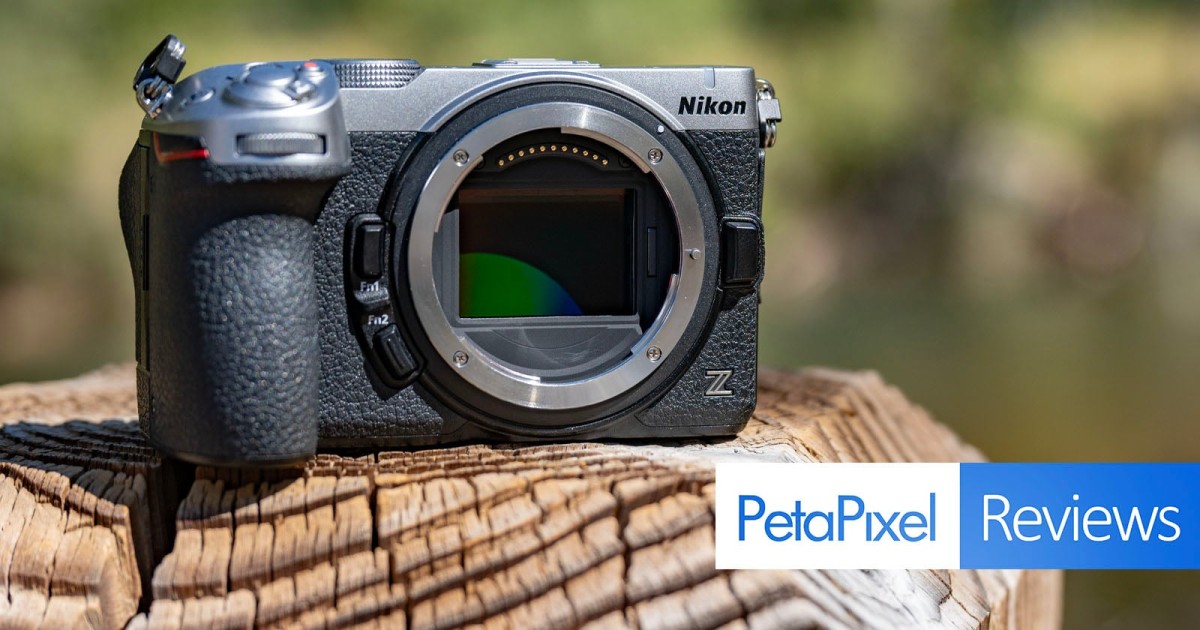
Upon its release in 2025, the Nikon Z5 II ($1,849) immediately became one of PetaPixel’s go-to recommendations for an entry-level full-frame camera. It is surprisingly full-featured and capable, which led to a price increase over the original Z5. Now we have the Z5 IIC ($1,399), a more affordable, smaller version of the Z5 II with nice looks but a glaring omission: no electronic viewfinder.
What makes the Z5 IIC particularly impressive at this price is the very reliable video autofocus and effective IBIS system.
Pros
- Excellent image quality
- Solid autofocus with 3D Tracking
- Well rounded video features
- Effective IBIS
Cons
- No EVF for composing and stability
- Noticeably low resolution LCD compared to Z5 II
- Lack of professional controls
Is that something photographers will actually miss? To find out, I shot the Z5 IIC extensively in the streets of San Francisco and the gorgeous landscapes of Yosemite.
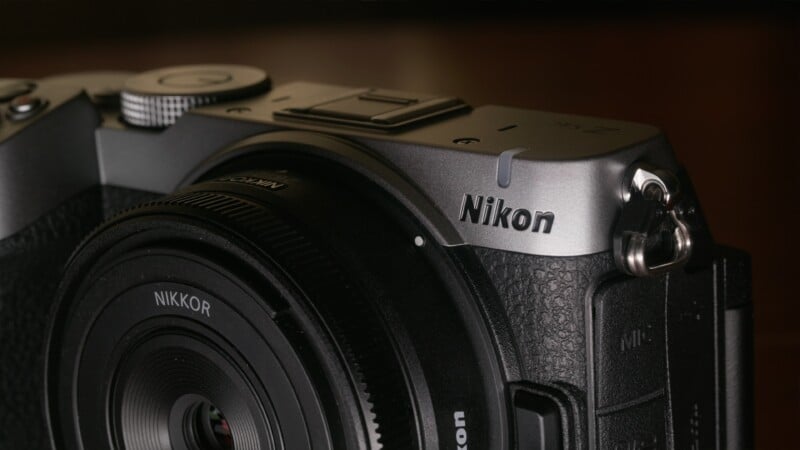 The Z5 IIC is a departure from what Nikon has done before.
Nikon Z5 IIC Review: How It Feels
The Z5 IIC immediately differs from its big brother, the Z5 II, with a flat top plate that is particularly striking on the silver model. This is, of course, due to the removal of the EVF.
However, this change also helps make the Z5 IIC considerably lighter than the Z5 II. The Z5 IIC weighs 22 ounces (620 grams) compared to the Z5 II, which weighs 24.7 ounces (700 grams). Thankfully, the large grip and plenty of custom buttons remain, making the Z5 IIC much more comfortable to use than many similar cameras like the Panasonic S9.
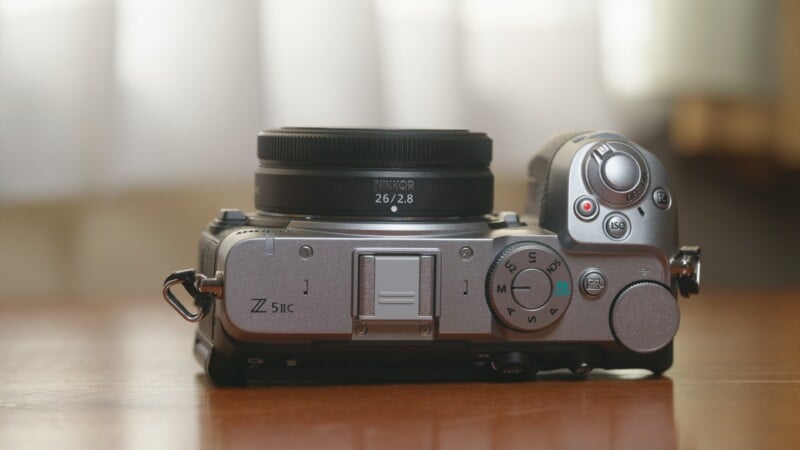 The top plate is a stylish metal design.
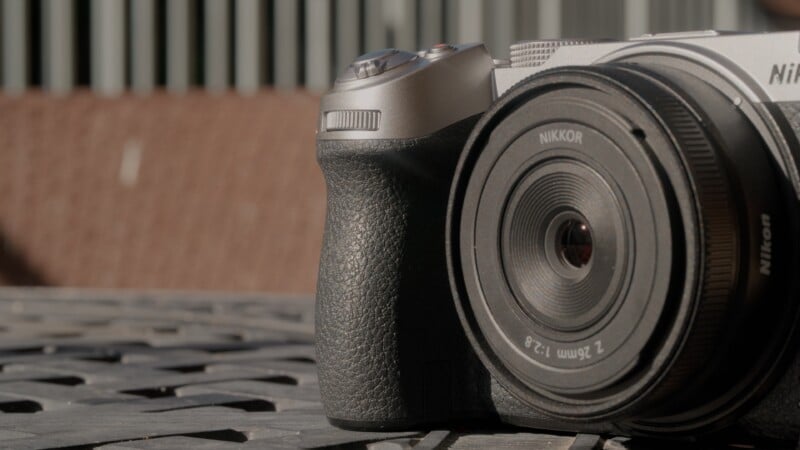 The large grip is comfortable, even with larger lenses.
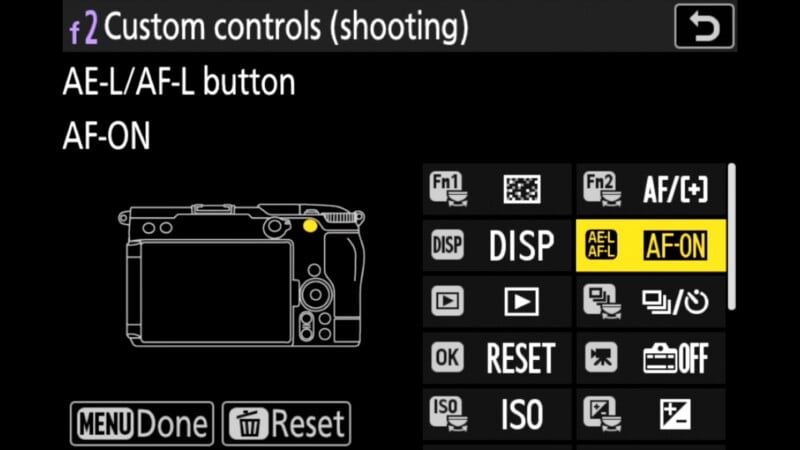 You can set a custom button to be AF-ON, for example, if you want to change the layout.
The major ergonomic change is the removal of a joystick for AF point selection and the lack of a dedicated AF-ON button. I found the missing AF-ON button to be a non-issue as there is a very well-placed Focus/Exposure Lock button that is easily reprogrammed. I did find the lack of an AF joystick occasionally frustrating, but the combination of 3D tracking and the ability to re-center the AF point by pushing the “OK” button meant this was something I quickly adapted to.
This camera uses the venerable Nikon EN-EL15C battery, which is used in most of Nikon’s full-frame mirrorless cameras. It offers a respectable life of 350 CIPA-rated shots, though I was able to get more than twice that on a single charge in real world use.
For storage, only a single UHS-II SD card slot is available, down from two on the Z5 II. If you rely on redundant media for professional work, this will obviously be an issue, but it is pretty typical for this class of camera.
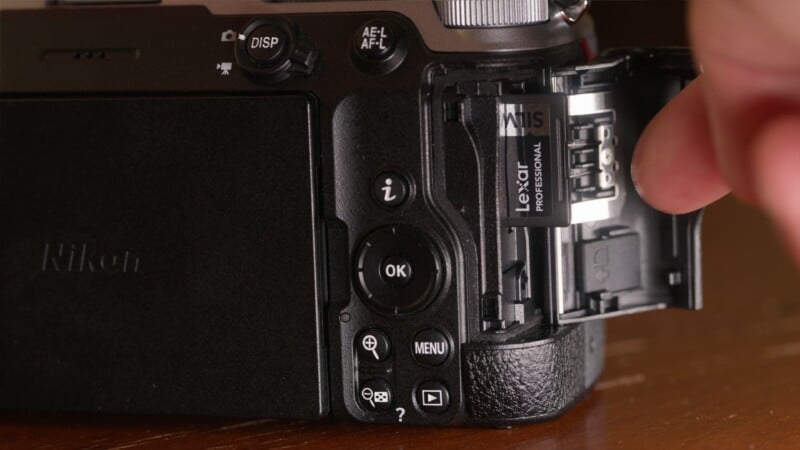 You’ll find a single UHS-II card slot.
Alright, let’s talk about the removal of the EVF. This is something I truly rely on when shooting, not only for capturing images, but also for checking them afterward.
On the Z5 IIC, those tasks are limited to the 3.2-inch fully articulating LCD. Unfortunately, Nikon not only removed the EVF in this model but also significantly downgraded the LCD’s resolution, dropping it from 2.1M to 1.04M dots. This was noticeable while shooting casually and made manual focus and checking images a more trying process than I expected or desired. That said, while we don’t have a nit rating for this display, it was sufficiently bright, even during sunny days in Yosemite.
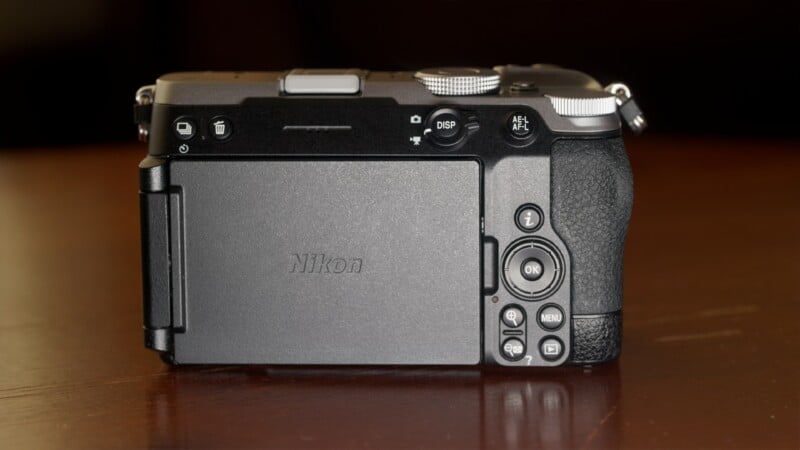 You won’t find an AF joystick or dedicated AF/ON button.
One thing that hasn’t been scaled back is the excellent in-body image stabilization (IBIS) system, which is capable of up to 7.5 stops in the center and 7 stops at the edges. In a glorious but very dark sunset, I had given up on getting a usable image without a tripod, but I was surprised to find several sharp images shot at over 200mm with shutter speeds from 1/4 to 1/8 of a second.
 At slow shutter speeds, the IBIS proved dependable.
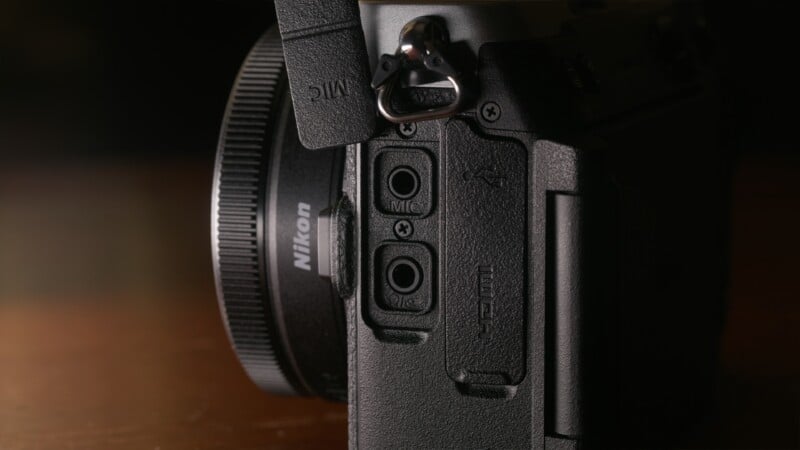 You’ll find a mic and a headphone jack on the Z5 IIC.
Carried over from the Z5 II as well is the excellent autofocus system with subject detection and 3D tracking. I found the 3D tracking to be very sticky while photographing people on the street, and the few animals I spotted in Yosemite were quickly detected even with the Z5 IIC in Automatic Subject Detection mode. It also has a new Fish Detection mode found only in this model. While it may not jump to fish swimming down a river, I could see it being very useful when photographing aquariums.
 The autofocus is reliable and swift for almost any kind of situation.
 All the excellent Nikon subject detection modes are available on the Z5 IIC.
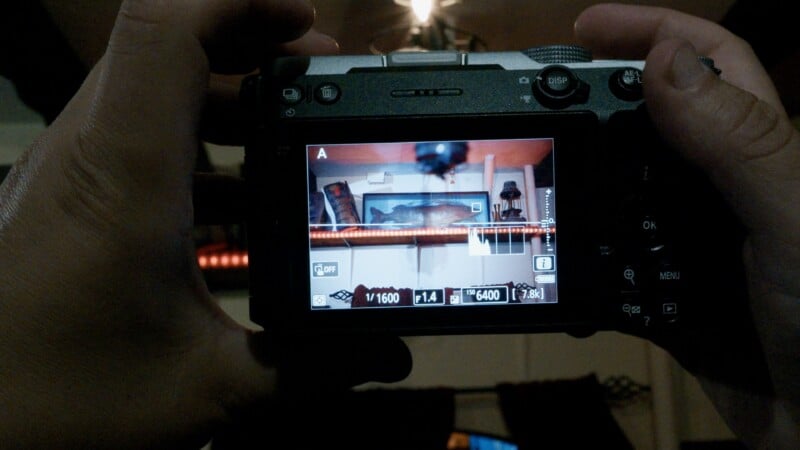 There is actually a new fish-detection autofocus mode, if you ever thought you needed one.
As far as burst shooting, the Z5 IIC has a speedy maximum mechanical shutter burst of 14 frames-per-second when shooting JPEGs, 11 frames-per-second when shooting RAW with a mechanical shutter, and up to 30 frames-per-second with the electronic shutter. It’s worth noting that this is not a terribly fast-reading sensor, so you may encounter rolling shutter artifacts when using the electronic shutter.
 The Z5 IIC is a surprisingly capable camera, which lacks only an EVF to compose with.
For new photographers who may be intimidated by all of the manual controls offered, the Z5 IIC is Nikon’s first full-frame camera to offer Scene Modes, automatic modes for specific types of shooting like Landscape and Portrait.
Nikon Z5 IIC Review: How It Shoots
This new camera model uses a sensor I have started referring to as “that 24 megapixel sensor”, as it has been used in a huge variety of full-frame models from Sony, Panasonic, Leica, Sigma and Nikon over the last eight years. This is the same sensor found in the Z5 II, but I’m not disappointed, as it combines solid low-light performance with excellent dynamic range. Importantly for landscape photography, there is a lot of information in the shadows at base ISO (100), enabling usable results in very high contrast scenes. This sensor may not be exciting, but it’s very capable and a clear step over what Nikon’s APS-C cameras can deliver.
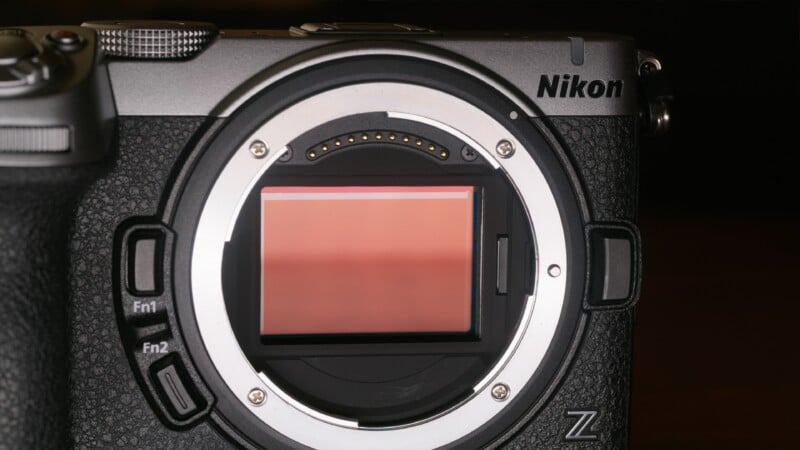 We have the return of a rather ubiquitous 24-megapixel sensor.
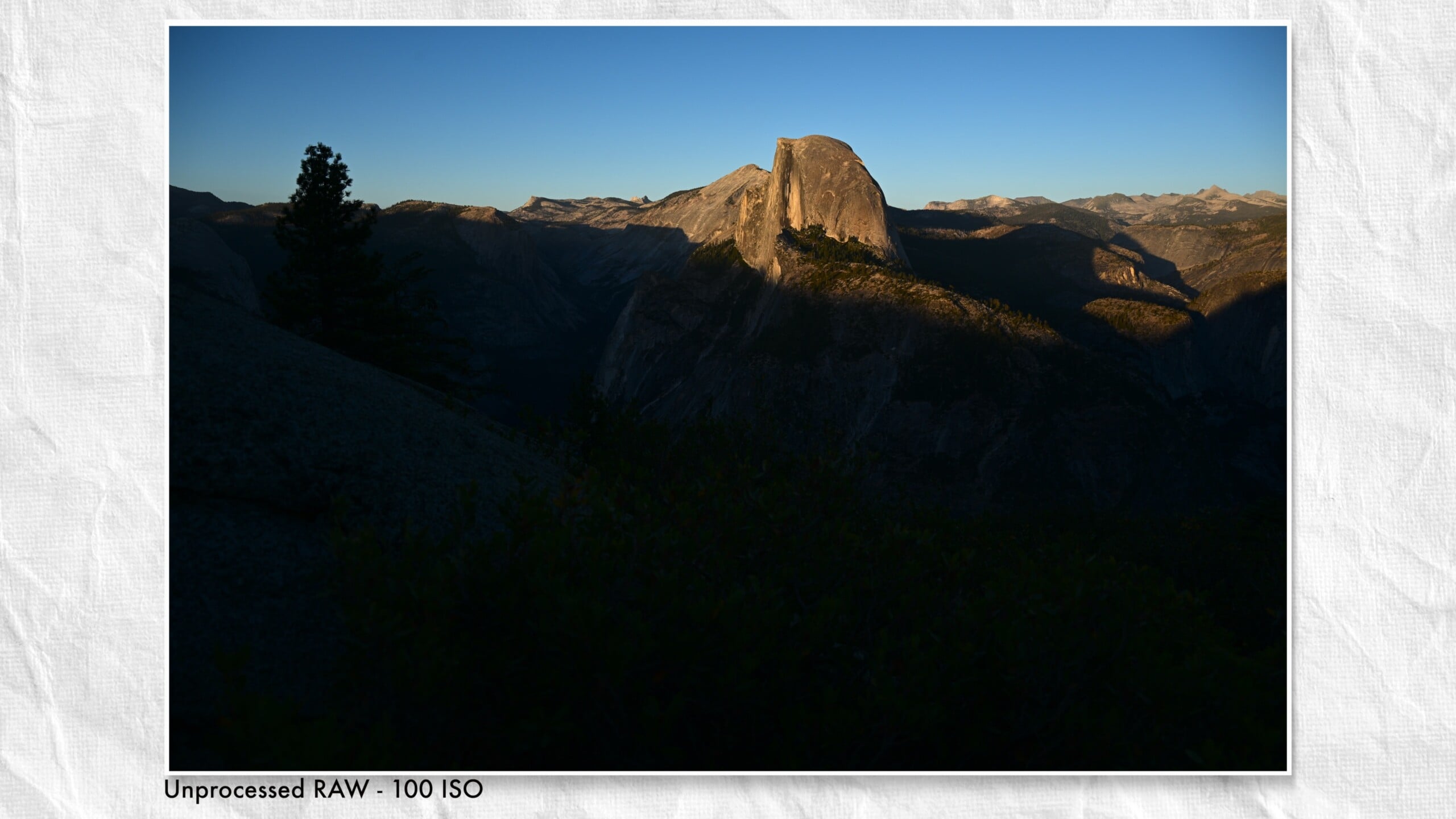 There is plenty of dynamic range available, even if the shadows look dark.
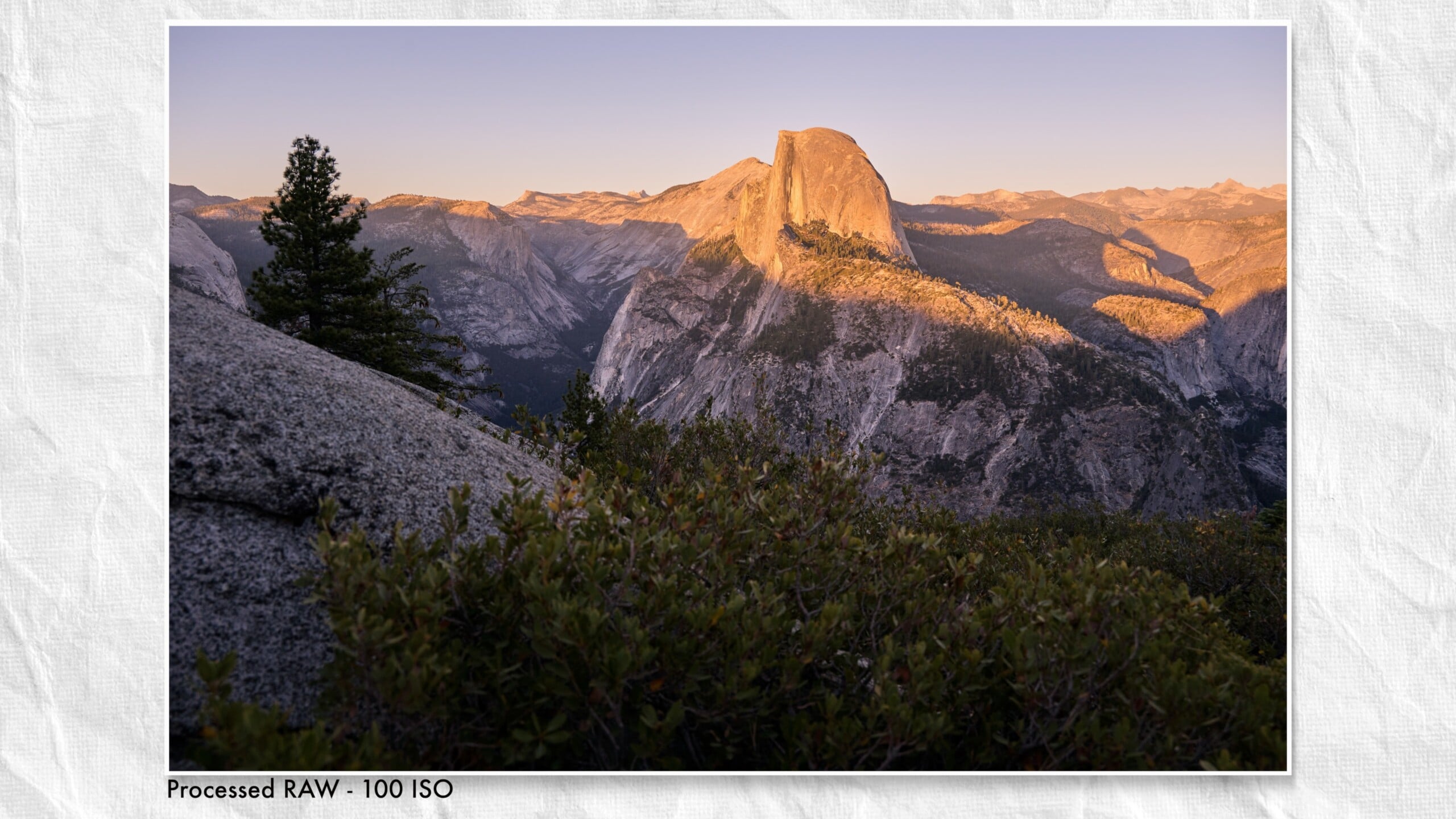 I had no issues boosting up shadows, and noise remains manageable.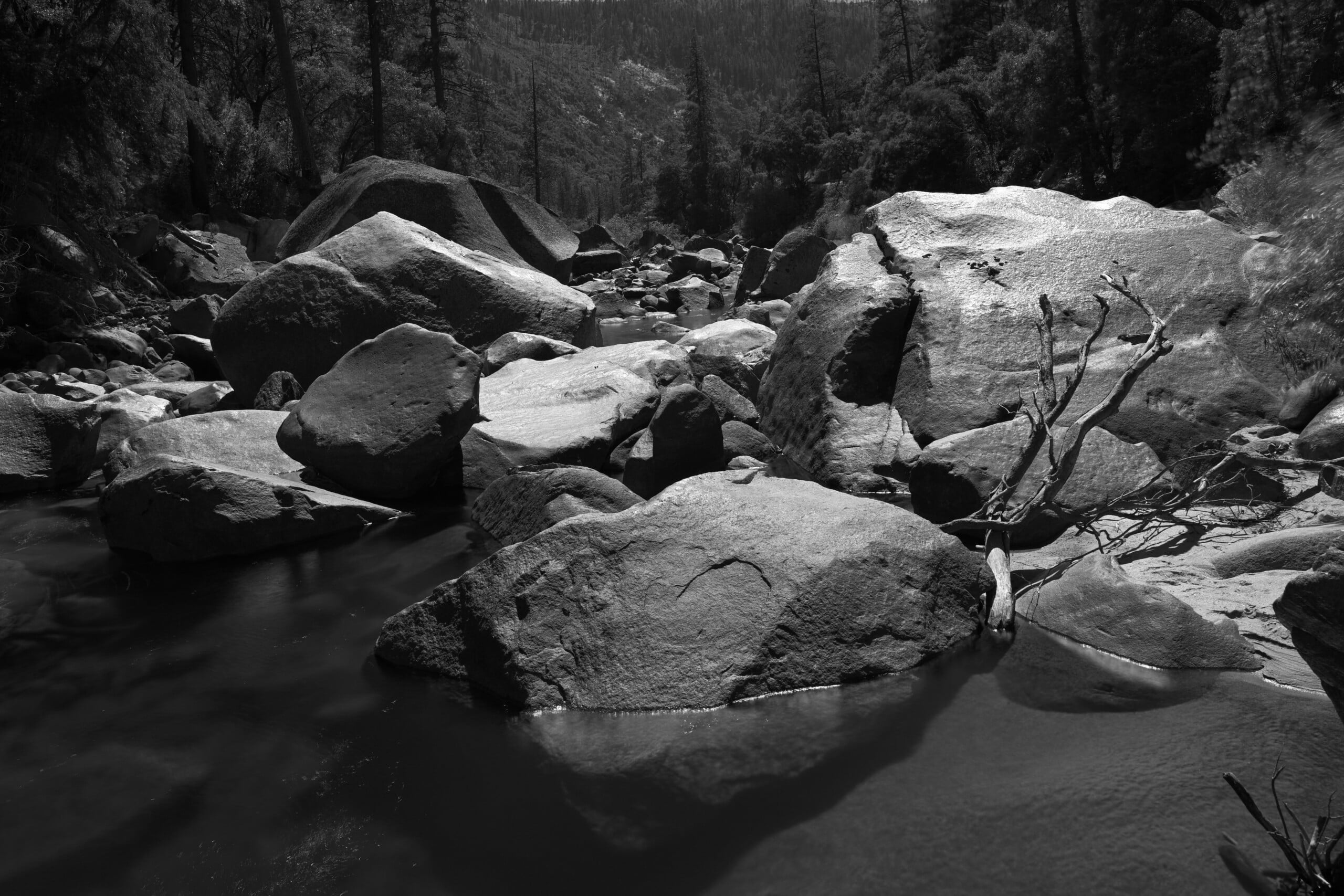
JPEG quality is excellent, as always, for Nikon, with several pleasing built-in Picture Controls, including the lovely “Rich Tone Monochrome” and “Rich Tone Portrait” profiles. You can access these easily with a dedicated button on top of the camera. You can also customize and share Picture Controls using Nikon’s mobile and desktop software.
 If you want an excellent landscape camera at a smaller size, look no further.


Nikon Z5 IIC Review: Video Performance
The Z5 IIC inherits all the video capabilities from the Z5 II, making it a very capable filmmaking tool. Full-width oversampled 4K can be captured up to 30p, and the image is very detailed and clean in low light.
Moving to faster 4K frame rates up to 60p results in an APS-C crop and the expected resulting drop in quality. You can use the standard Picture Controls for video, or record in Nikon’s N-Log profile for expanded dynamic range and flexibility in post.
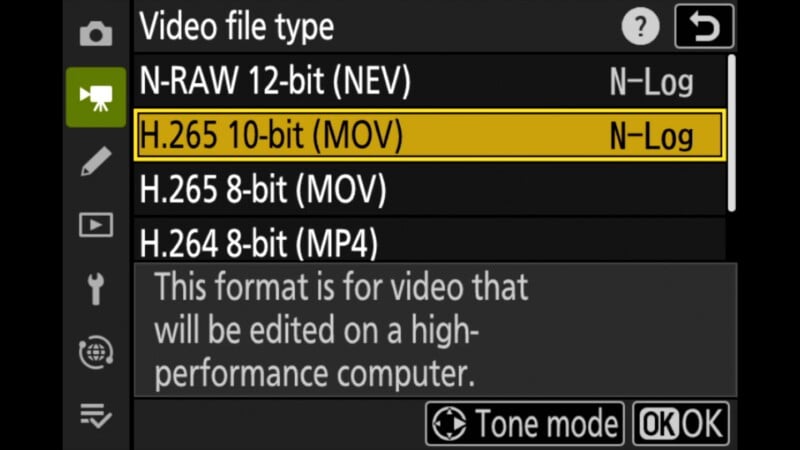 RAW recording modes and 10-bit recording are all present.
Surprisingly, the Z5 IIC, like its older sibling, can record RAW video to an SD card in the N-RAW profile. This allows more flexibility in tweaking white balance, noise reduction, and tint in post, but the sampling method used significantly degrades sharpness and increases noise. I don’t think it’s worth the extra storage and post-production workflow for most people.
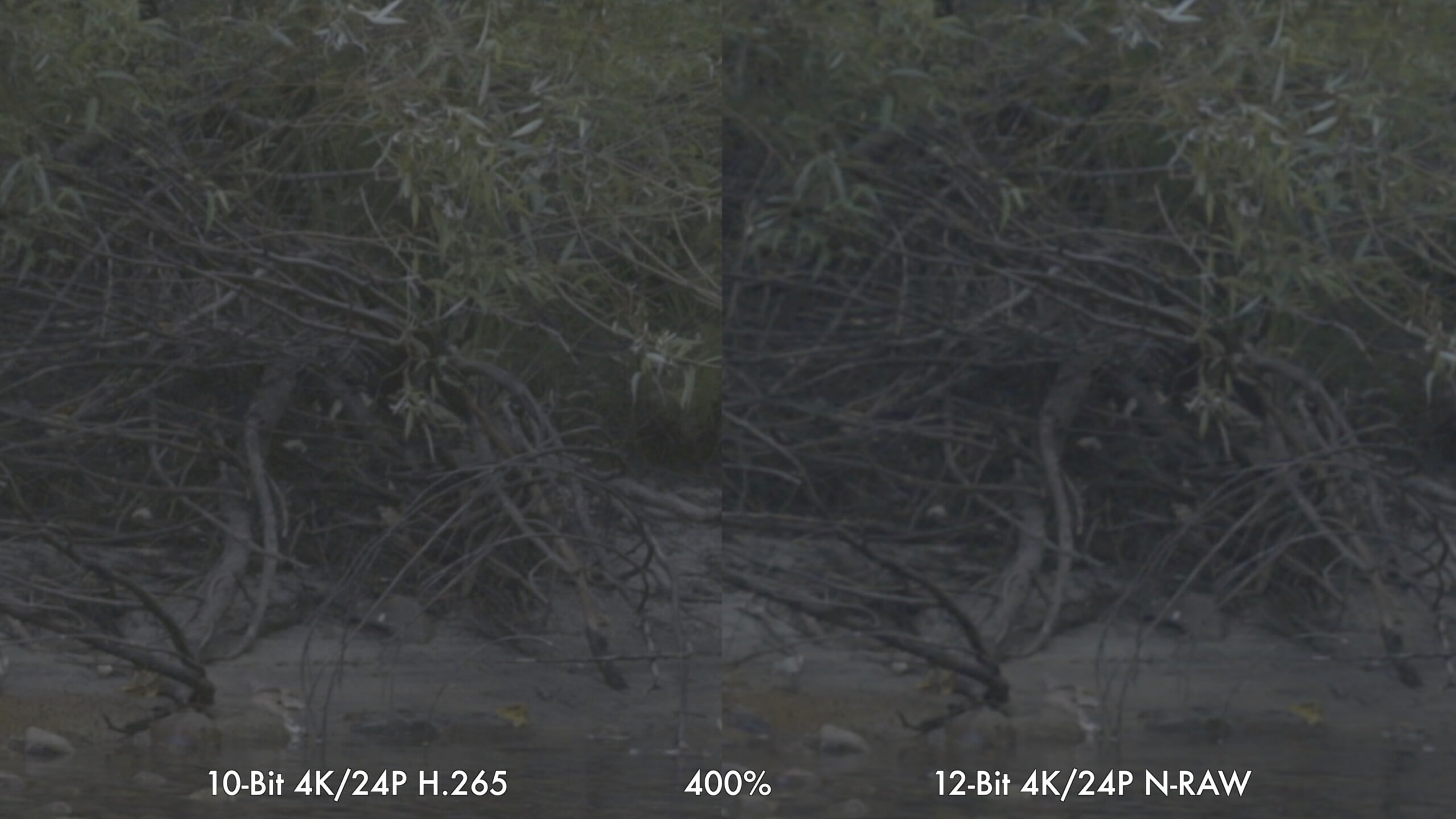 RAW is available but the detail and amount of noise present are disappointing.
What makes the Z5 IIC particularly impressive at this price is its reliable video autofocus and effective IBIS. Together, these features make the Z5 IIC very capable in run-and-gun situations where you can’t pull focus manually, and camera support is unavailable.
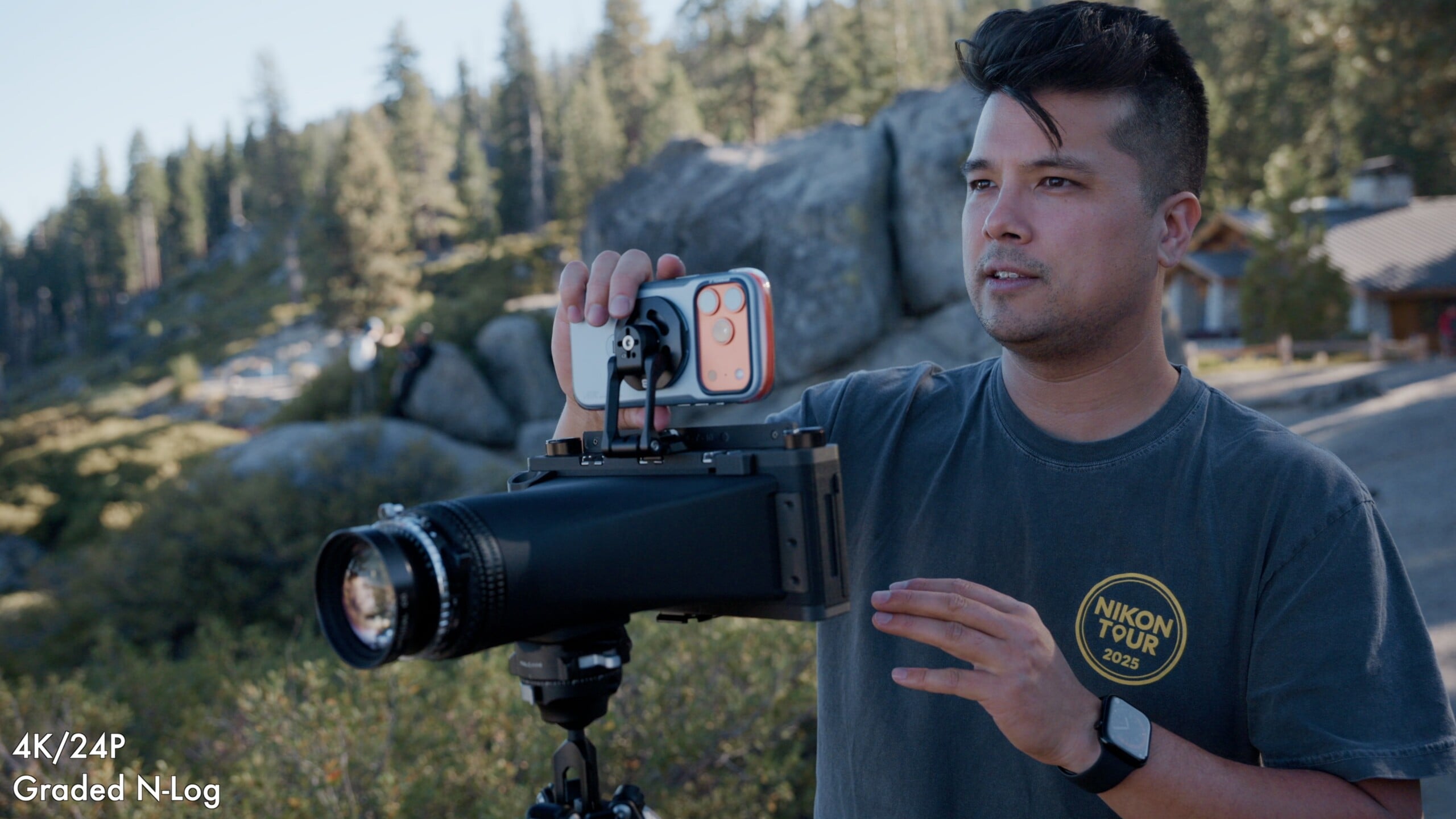 The 4K quality is excellent, and should serve videographers well.
I was also thrilled to see that Nikon includes all its professional assist tools in video mode. Histograms, waveforms, peaking, and very detailed punch-in for focus are all available and will have pro shooters feeling right at home, despite the Z5 IIC’s low price.
I also need to quickly thank Nikon for including a tally lamp that shows when the camera is recording to the front of the camera. We here at PetaPixel love tally lamps, and every new camera that features one is cause for celebration!
Nikon Z5 IIC Review: Should This Camera Exist?
This was the main question I was hoping to answer with this review: did we need this? In my experience, a viewfinder is essential to the photographic experience, and a camera without one is immediately less compelling. My experience with the Z5 IIC was in many ways as frustrating as I feared, trying to shade the LCD in bright light and constantly bonking my eye on what I expected to be a viewfinder. The fact that the LCD has also been downgraded despite being your only means of viewing your work was also frustrating, as I found myself constantly magnifying images to confirm they were sharp. For me, the extra $450 for a Z5 II is completely justified.


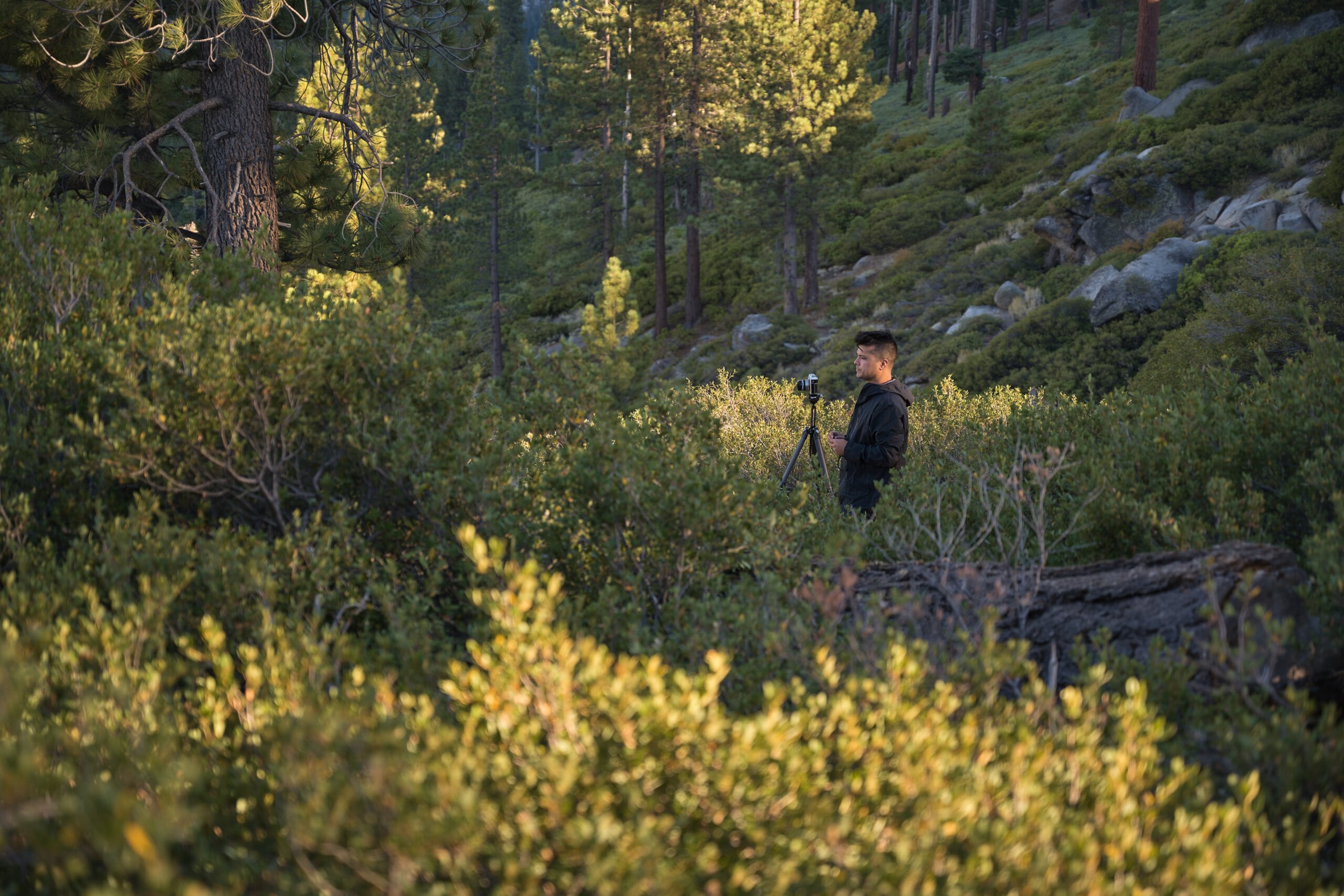

However, many photographers and videographers never use an EVF, and for them, the Z5 IIC offers outstanding value. The success of Fujifilm X-M5 and Panasonic S9 proves there is a market for smaller cameras with only an LCD panel. If you are one of those users who eschew an EVF, the price difference between this and the Z5 II is enough to buy a more premium standard lens or a solid prime lens. The other downgrades from the Z5 II are fairly minor and easy to work around.
 Big thanks go to Jason Vong for helping us on our shoot.


I still don’t enjoy using a mirrorless camera without an EVF, but if the cost savings mean more photographers and videographers can enjoy the benefits of a full-frame camera, who am I to complain?
Are There Alternatives?
If you are an existing Nikon user, there are options above and below the Z5 IIC. The APS-C Nikon Z50 II ($999) has an EVF and great handling. However, the combination of IBIS and a full-frame sensor means the Z5 IIC will consistently deliver superior image quality, especially in low light. The oft-mentioned Z5 II ($1,849) sits at a significantly higher price but offers a more refined shooting experience that will justify the premium for many.
Outside Nikon, Panasonic offers a similar option in the compact, stylish S9 ($1,499), but Nikon’s mechanical shutter and flash sync make it more compelling for many photographers.
Canon and Sony don’t offer new products to compete with the Z5 IIC, but you can find the older Canon R8 and Sony a7 III for a similar price. Both have EVFs, but if you are an LCD-only shooter, I find the Nikon gives the more refined experience.
Should You Buy It?
Maybe. If you never use an EVF, this is a solid discount from the Z5 II. But even after several days shooting in beautiful locations, I still never really warmed up to the Z5 IIC.
Affiliate Disclosure PetaPixel articles may include affiliate links; we may earn a commission if you buy through one.
What's Your Reaction?
 Like
0
Like
0
 Dislike
0
Dislike
0
 Love
0
Love
0
 Funny
0
Funny
0
 Wow
0
Wow
0
 Sad
0
Sad
0
 Angry
0
Angry
0






Comments (0)