

OpenAI's first hardware device is an RGB macropod — 'Codex Micro' features 13 low-profile keys and a joystick for controlling AI coding agents
 (Image credit: OpenAI / WorkLouder)
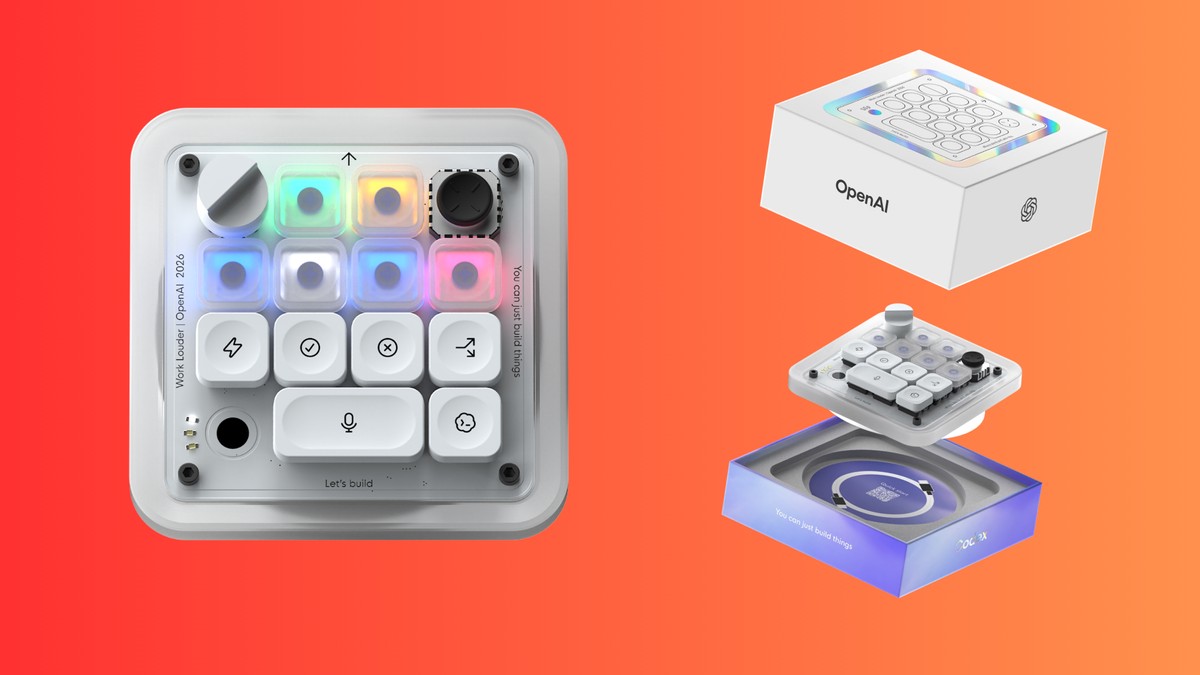
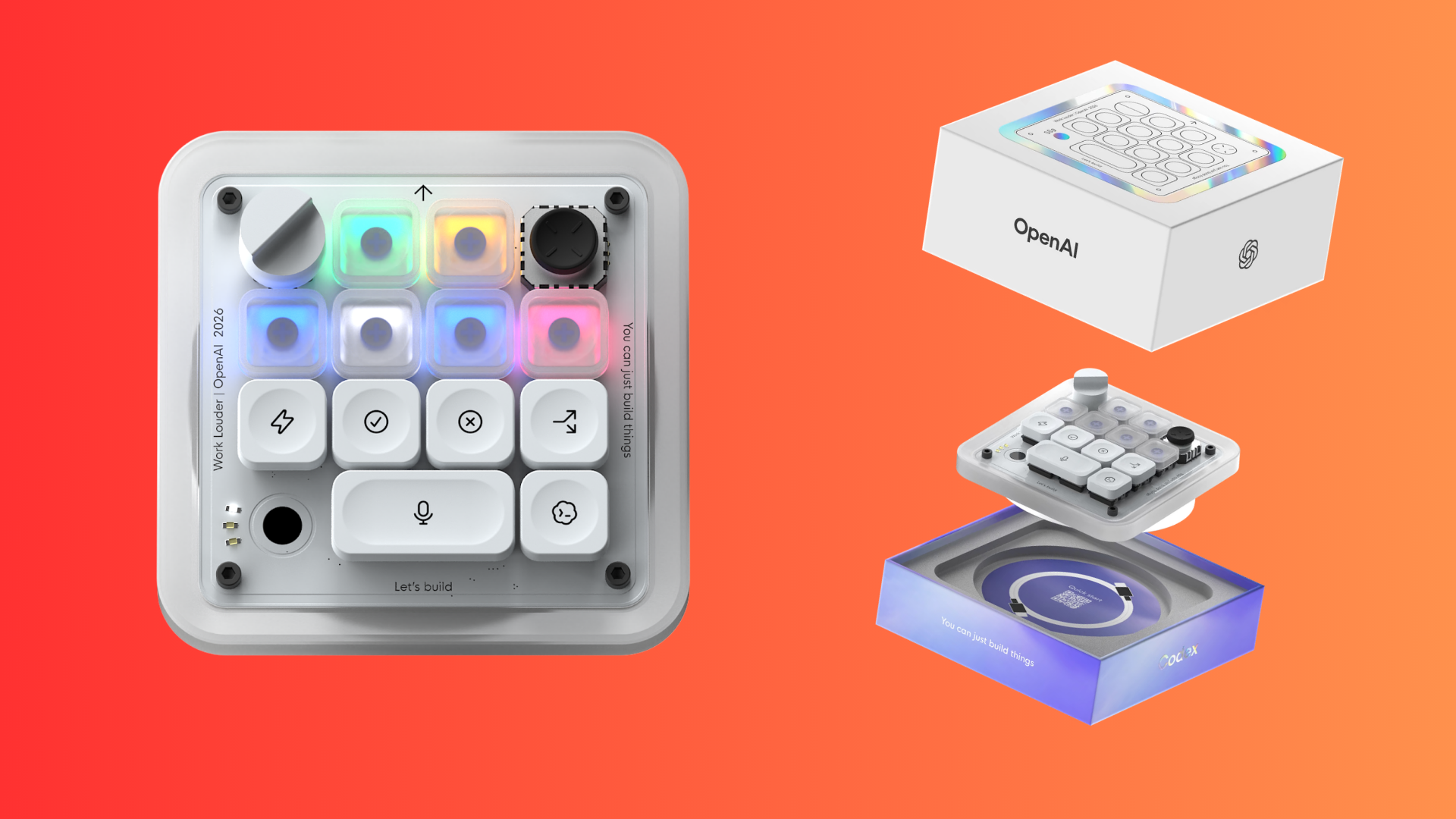
OpenAI has just entered the hardware market with its very first product — a glorified macropad called the "Codex Micro." As the name suggests, it's meant to be used with the company's agentic coding platform, Codex, offering tactile response for an otherwise software-only experience. It's made by luxury keyboard company Work Louder, built on its existing Creator Micro 2 platform, and will cost a cool $230.
Go deeper with TH Premium: AI and data centers
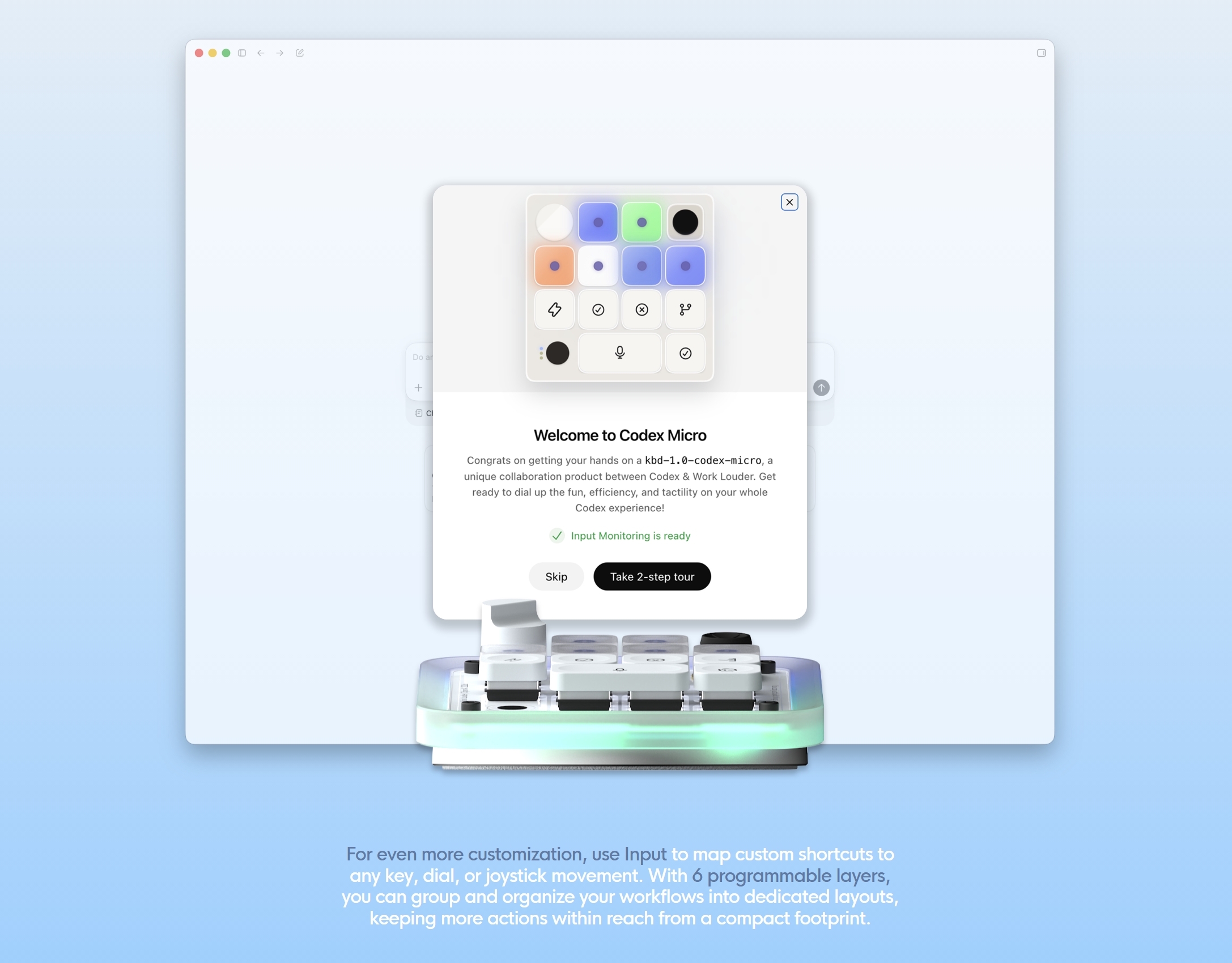
The Codex Micro, also dubbed kbd-1.0-codex-micro for some reason, comes in a frosted white color with a mix of translucent, legend-less keycaps and some opaque ones that serve as "command keys." There are thirteen mechanical keys, one rotary encoder, one joystick and a capacitive touch sensor running across the top of the device, The body is constructed out of CNC'd aluminum with some polycarbonate parts.
The see-through look of the Codex Micro is intentional because it relies on RGB (yes, you're reading this correctly) to convey responses. The six translucent keys up top have an integrated LED, and the entire perimeter of the device also lights up. According to Work Louder, the keys are supposed to provide a live view of your Codex threads, illuminating to signal different agents working.
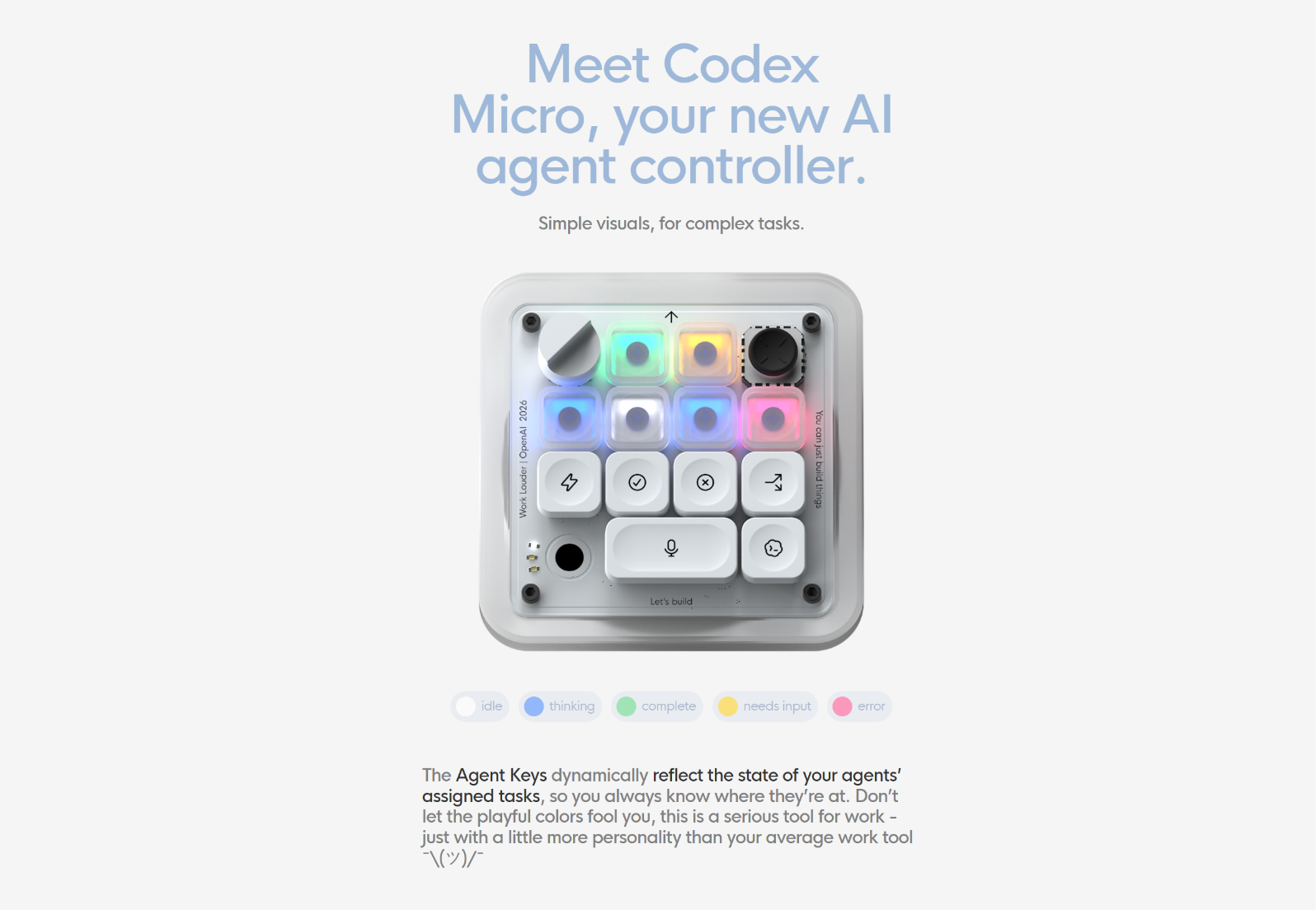
The LEDs can show different colors based on where the agent is in a loop at any given time — whether it's thinking, stuck with an error, or perhaps requires feedback. White is used to denote idle behavior; green for an unread chat; blue for thinking; peach for a question; and red for an error. The sides of the Codex Micro also glow in the same color to make sure it catches your attention without you having to check manually.
Then there's the joystick in the top-right corner that you can click to launch common Codex workflows like reviewing a PR, debugging the aforementioned error, or refactoring code. The joystick opens up a radial menu that can be customized to do a bunch of other things, sort of like a Fortnite emote wheel (sorry).
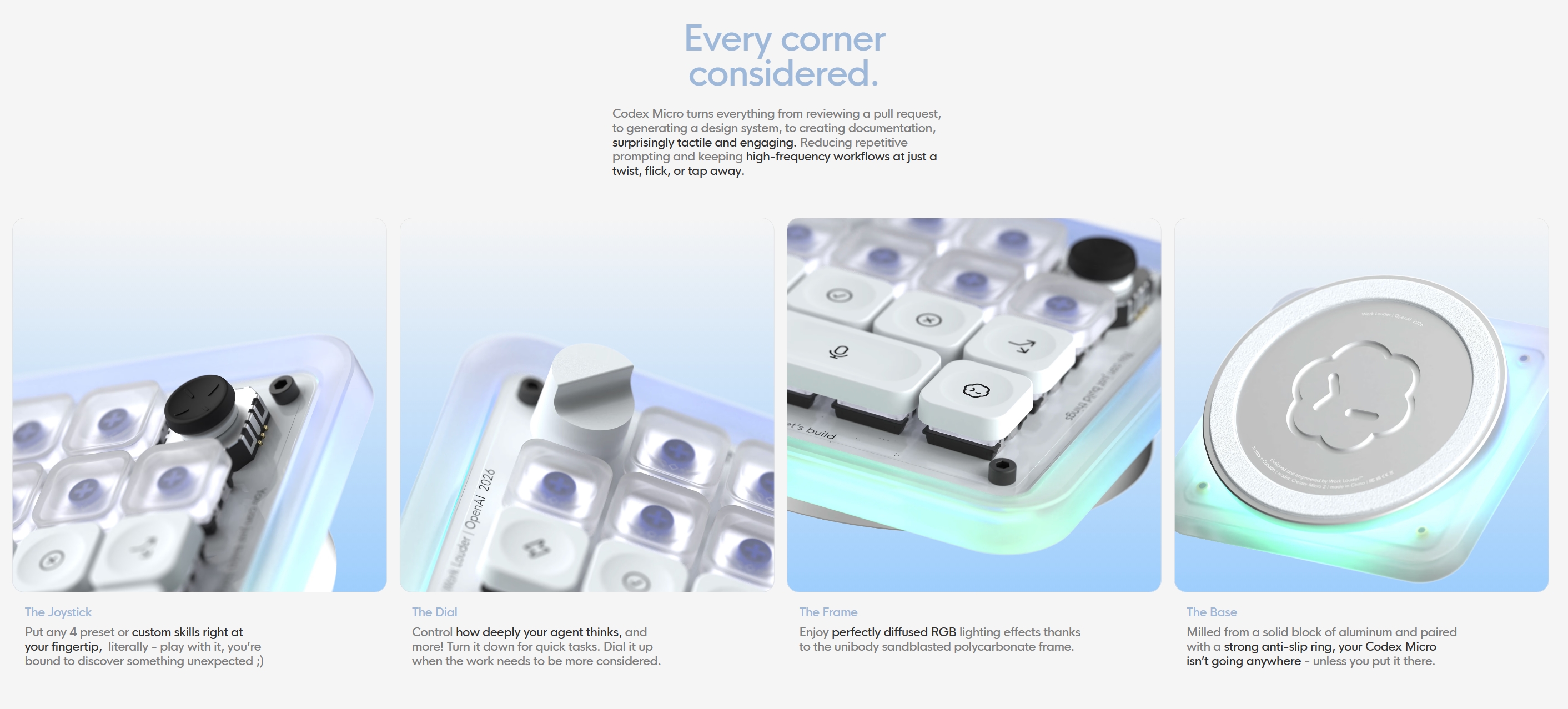
Finally, there's a rotary encoder — a knob, if you will — that can be twisted to adjust the reasoning level in real-time or, you know, just adjust the volume or something. We've already mentioned the command keys, which are the white keycaps you see with Codex icons. You'll get a full set of those, including 32 unique keys, so you can swap each one out to suit your workflow.
As we mentioned earlier, the Codex Micro is based on the Creator Micro 2 platform, which Work Louder already built. In fact, this is just a reskin of that product as far as we can tell, and the price reflects that. You can buy a Creator Micro 2 for $174 and pay around $50 more for some icon keycaps, so the $230 pricing for the OpenAI-branded Codex Micro 2 lines up almost perfectly.
Get Tom's Hardware's best news and in-depth reviews, straight to your inbox.
It's safe to say that unless you're a diehard vibecoder, the Codex Micro is probably overpriced for what's essentially just a really nice macropad. The deep integration with Codex is impressive and certainly useful for some people, but much of it is just a few minutes of (third-party) customization away on other keypads, too. Anyhow, the Codex Micro is available on Work Louder's website right now, and you can choose to buy it with either clicky or silent switches.

Follow Tom's Hardware on Google News, or add us as a preferred source, to get our latest news, analysis, & reviews in your feeds.
Hassam Nasir is a die-hard hardware enthusiast with years of experience as a tech editor and writer, focusing on detailed CPU comparisons and general hardware news. When he’s not working, you’ll find him bending tubes for his ever-evolving custom water-loop gaming rig or benchmarking the latest CPUs and GPUs just for fun.
What's Your Reaction?
 Like
0
Like
0
 Dislike
0
Dislike
0
 Love
0
Love
0
 Funny
0
Funny
0
 Wow
0
Wow
0
 Sad
0
Sad
0
 Angry
0
Angry
0










Comments (0)