

Taiwan weighs criminal ban on AI chip exports to all of China — stricter measures beyond blacklisted firms would make smuggling servers a crime
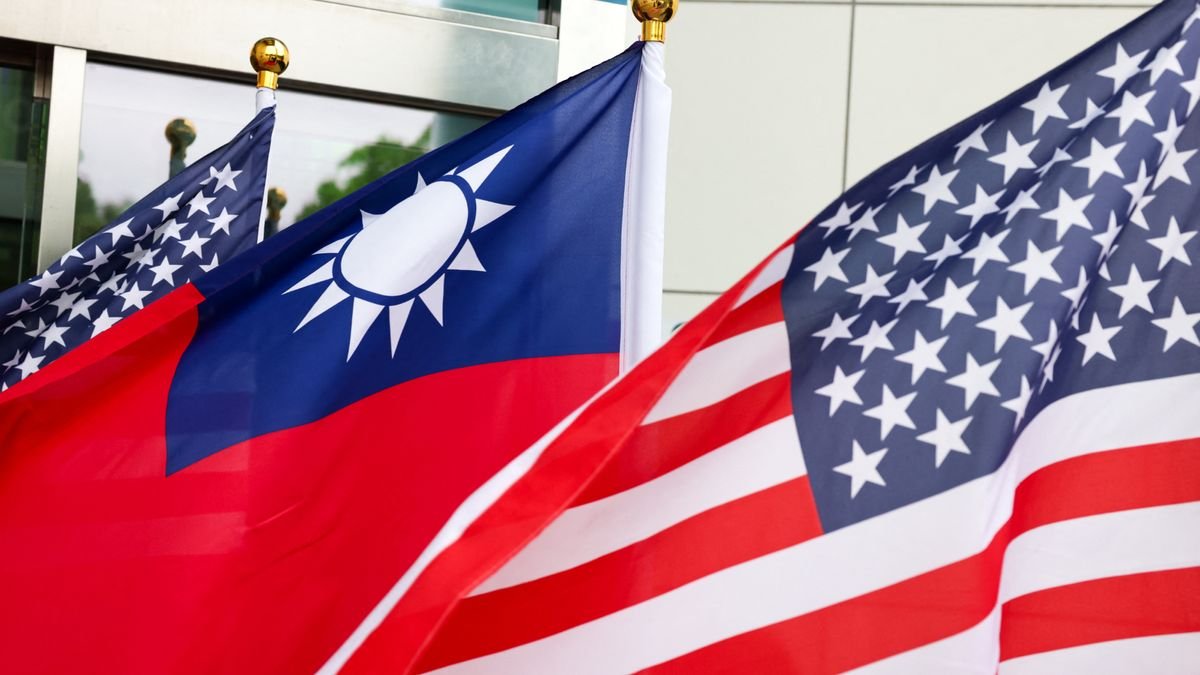
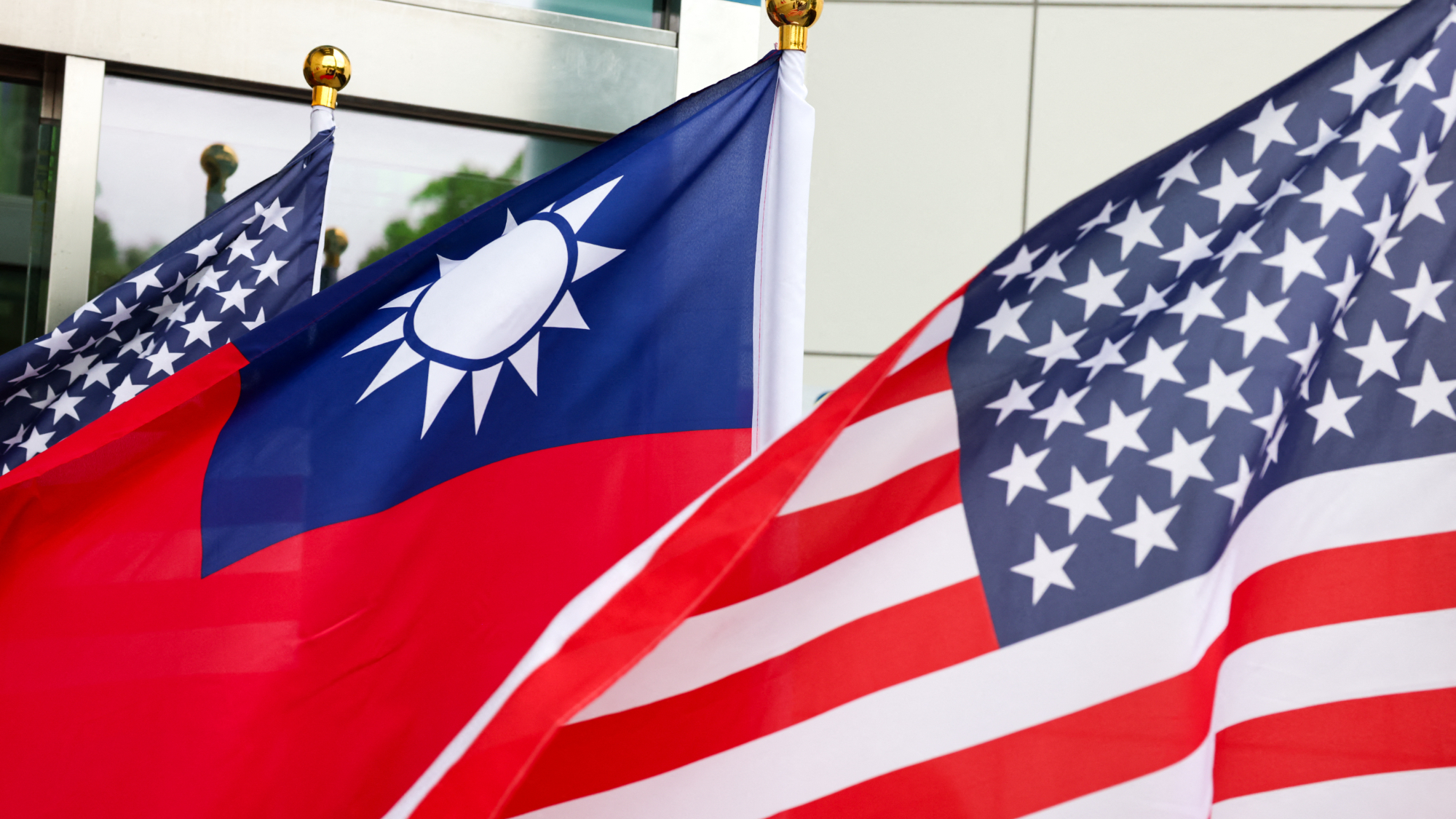 (Image credit: Getty / I-HWA Cheng)
Taiwan is considering far stricter export controls that would restrict AI chip sales to every customer in China, not only blacklisted firms such as Huawei, a shift that would let Taipei prosecute smuggling as a criminal offense for the first time, according to a report from Bloomberg, citing people familiar with the matter. The measure is under discussion as part of ongoing trade talks with the United States, and would likely cover chips above a set processing-power threshold, matching the way Washington sets its own restrictions.
Go deeper with TH Premium: Taiwan, trade, and tariffs
Taiwan doesn’t currently classify unauthorized AI chip exports to China as a crime. While authorities can warn potential sellers that they might be breaking U.S. rules, the only route through local courts is to charge suspects under other existing statutes.
Prosecutors in Keelung made the island's first known detentions of alleged chip smugglers in May, holding three people over roughly 50 Nvidia-equipped servers on document-forgery allegations rather than any export-control offense, part of the crackdown that prompted Nvidia to publicly press Supermicro on compliance. Taipei already requires a license for shipments to Huawei and SMIC after blacklisting both in June last year, but that doesn’t apply to the wider Chinese market.
The U.S. controls accelerators according to Total Processing Performance, the figure in its ECCN 3A090 classification that combines compute with the precision an operation runs at. Parts below 21,000 TPP and 6,500 GB/s of DRAM bandwidth, roughly Nvidia's H200 and AMD's MI325X, became eligible for case-by-case China licenses in January, while anything above that ceiling stays barred. A Taiwanese rule built on the same kind of cutoff would draw its boundary through the same chips the SAFE Chips Act targets, restricting which hardware assembled on the island could legally head to mainland buyers.
Taiwan builds most of the world's AI servers, with Foxconn holding about 40% of the global market, and Quanta, Wistron, Wiwynn, and Inventec taking much of the rest, and the same firms integrate Nvidia and AMD accelerators into the rack-scale systems shipped to data centers everywhere. So, while TSMC is already barred from making advanced chips for Chinese customers, that does nothing to stop servers containing those chips from being diverted to China downstream. Legislation that defines a threshold would instead target the movement of those assembled systems directly, rather than leaving prosecutors to scrape together cases out of other violations after the fact
Taipei has until now been reluctant to mirror U.S. curbs in full, and any new curbs are also likely to draw a response from Beijing, which claims Taiwan as its territory and condemned the 2025 Huawei and SMIC blacklisting. Bloomberg reported that Taiwan has agreed to “directionally follow” the U.S. but hasn’t decided how far it will go, with details still to be finalized before senior officials on both sides sign off.

Follow Tom's Hardware on Google News, or add us as a preferred source, to get our latest news, analysis, & reviews in your feeds.
Get Tom's Hardware's best news and in-depth reviews, straight to your inbox.
Luke James is a freelance writer and journalist. Although his background is in legal, he has a personal interest in all things tech, especially hardware and microelectronics, and anything regulatory.
What's Your Reaction?
 Like
0
Like
0
 Dislike
0
Dislike
0
 Love
0
Love
0
 Funny
0
Funny
0
 Wow
0
Wow
0
 Sad
0
Sad
0
 Angry
0
Angry
0









Comments (0)