

The DCU’s James Gunn and Peter Safran are out – this is the biggest disaster to hit superhero movies in years
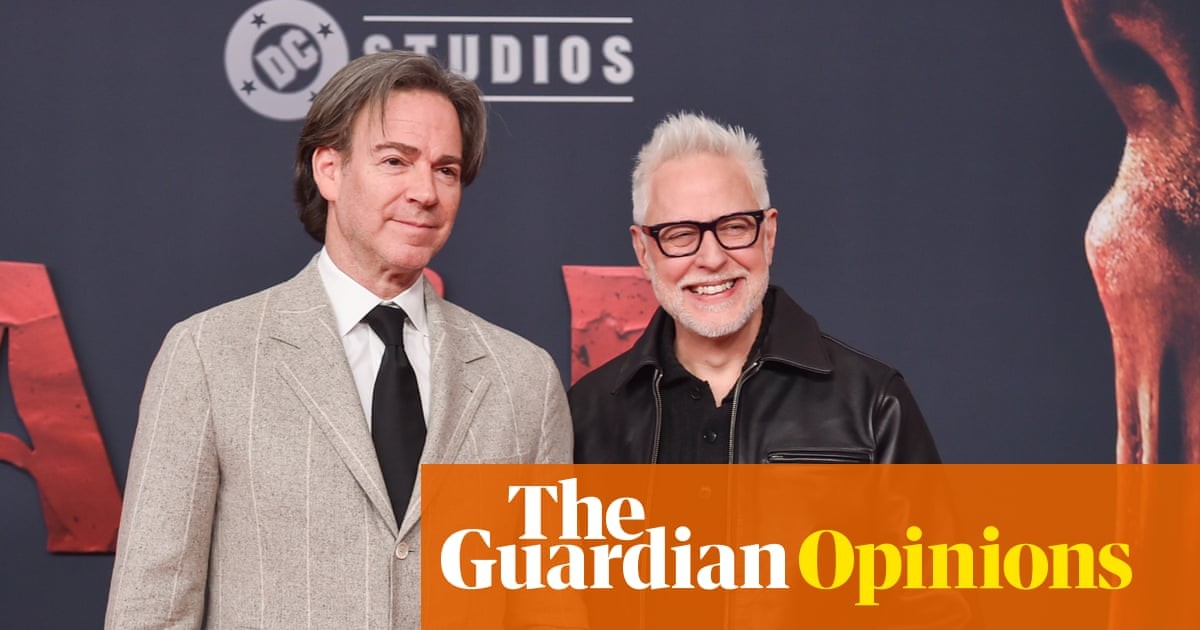
What was Warner Bros’ plan in 2022, when the studio decided to reboot its superhero output, jettison the increasingly muddled DC Extended Universe (DCEU) and replace it with a sparkling new DC Universe (DCU)? In part it was to wipe the slate clean after years of false starts, abandoned storylines and tonal lurches. There was a little bit of Marvel envy to proceedings, and quite possibly a desire to avoid having to ever again discuss Batman v Superman: Dawn of Justice’s numerous failings. But mostly it was to take advantage of hiring of a man whom nobody could accuse of being short of ideas on how to make comic book movies. To a greater or lesser extent, the plan was James Gunn.
Fast forward four years, and that plan lies in tatters. Gunn and his fellow DC Studios CEO Peter Safran have this week been fired (though they will reportedly stay on as film-makers), and Jeremy Latcham, another former Marvel man, is the new boss. What is the plan now? Nobody seems to know, and there is not much point asking David Ellison, the man whose Skydance empire has now gobbled up two of the former big five Hollywood studios (Paramount last year and Warner last month). That would be like asking for directions from a man who has just set fire to the map.
We were told that Gunn was going to finally make sense of DC – which had always been Marvel’s poor relation on the big screen – and deliver a shared universe that would take advantage of the comic book publisher’s rich cavalcade of heroes, villains and assorted caped lunatics. Warner Bros Discovery CEO David Zaslav spoke of a “bold 10-year plan” for the superhero studio after the Gunn-directed Superman delivered a strong start for the franchise last summer, with $618m at the global box office and decent reviews.
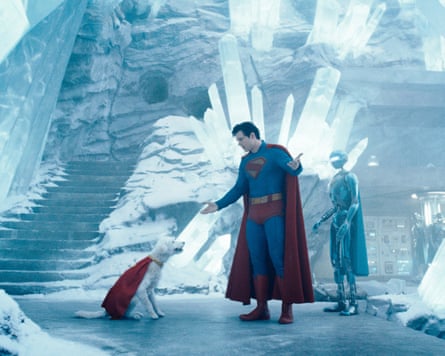
Since then, results have been mixed. The lukewarm Supergirl drastically underperformed earlier this year, but last month’s horror spin-off Clayface has quietly done respectable business, taking around $111m worldwide on a reported $40m budget. On the small screen, shows such as Peacemaker and Lanterns wove connections into the studio’s movies that Marvel would have killed to generate, even if the latter series has – inexplicably – not yet been renewed. The output may not have been perfect, but fans were encouraged by the sense that a film-maker who actually understood comic books was holding the reins. That optimism has now been rudely punctured.
The concern is that Gunn was fired precisely because he was making bold choices, and that Latcham is the unwelcome antidote. The incoming CEO has spoken openly about his desire to make films that feel “redemptive” and “hopeful”, and about the informal “grandmother test” he used at Marvel: if his grandparents in Oklahoma might not understand or enjoy something, perhaps it was not sufficiently universal. None of this necessarily means DC is about to become the comic book equivalent of the Lifetime channel, and Latcham’s credits do include Guardians of the Galaxy and Dungeons & Dragons: Honor Among Thieves. But fans who have enjoyed Gunn’s foul-mouthed antiheroes, exploding torsos and creatures that look as though they have crawled out of a cheese dream may be wondering whether the next phase of the DCU will come with considerably more approved family seating.

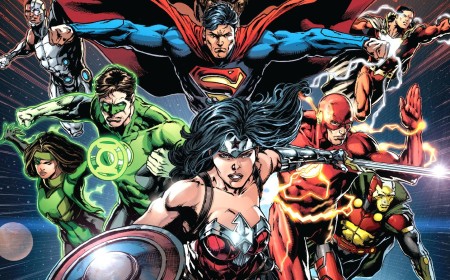
The Hollywood trades suggest that Ellison had grown impatient with the DCU’s slow-burn approach, and rapidly wanted to bring back the big guns – Superman, Batman and Wonder Woman, the nucleus of the Justice League. It is at this point that we have to question whether anyone in the corridors of power has been paying attention. The most recent DC universe to fail, the DCEU, began its long descent into chaos and diminishing returns precisely because Warner Bros encouraged film-makers into crossover events and ensemble movies such as Batman v Superman and Justice League, before it had properly established most of its core heroes in their own right. A rush to get to the good stuff feels like exactly the kind of myopic short-term planning that led to Gunn’s appointment in the first place.
Was Gunn’s fatal mistake that he actually had a plan? To a billionaire studio executive, the offbeat big-screen detours and left-field TV spin-offs that Gunn and Safran delivered may have looked like unnecessary side quests – but to the fans they at least felt like something more than a corporate conveyor belt designed to deliver the Justice League as quickly as possible. DC was beginning to develop that rarest and most valuable of things in franchise film-making: an identity. It would be truly lamentable if Skydance’s response is now to sand all the eccentric edges off it, just as the whole thing was about to get interesting.
What's Your Reaction?
 Like
0
 Dislike
0
 Love
0
 Funny
0
 Wow
0
 Sad
0
 Angry
0






Comments (0)