

US District Judge disqualifies lawyers for two years after both sides misused AI in court
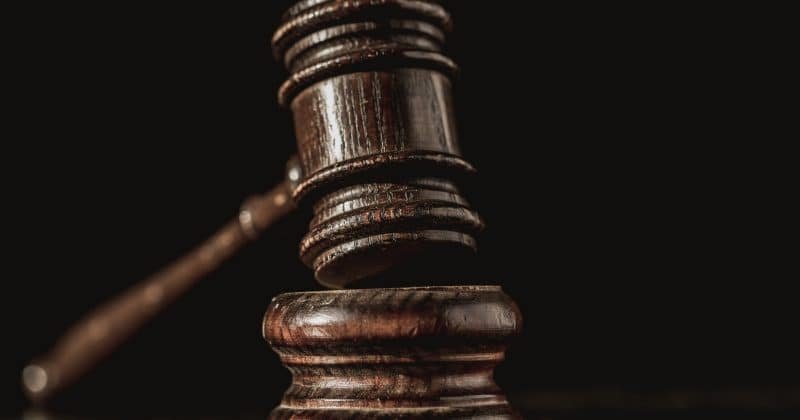
Two lawyers walked into a courtroom with AI-generated legal research. Neither walked out with their right to practice intact.
US District Judge Sharion Aycock issued a ruling on June 9 disqualifying attorneys Kathleen Wilson and Kathryn Williams from practicing in the Northern District of Mississippi for two years. The reason: both submitted court filings containing fabricated legal citations produced by artificial intelligence tools, in the case of Withers v. Aberdeen.
This wasn’t a situation where one side got caught cutting corners. Both sides of the lawsuit relied on unverified AI output, and both got punished for it.
When your legal brief cites cases that don’t exist
Wilson and Williams each submitted filings that contained citations to legal precedents that did not exist. The cases they referenced, the rulings they quoted, the legal reasoning they built their arguments on: fabricated, courtesy of whatever AI tool they used to draft their research.
Judge Aycock’s response was notably severe. Financial sanctions, which have been the more common punishment in similar cases, were apparently not enough. A two-year ban from practicing in the district sends a much louder message than a fine ever could.
A pattern that keeps repeating
Judicial scrutiny of AI in legal practice has been intensifying since at least 2023, when early high-profile cases of AI hallucinations in court filings first made headlines. Similar sanctions were handed down in Alabama litigation in 2025, establishing a growing body of precedent that judges will not tolerate lawyers treating AI-generated research as gospel.
What makes Withers v. Aberdeen unusual is that both sides committed the same error simultaneously. It raises an uncomfortable question: how many filings slip through when only one side is using fabricated citations and the other side doesn’t catch it? The adversarial system works as a check only when at least one party is doing rigorous work. When both sides outsource their thinking to AI without verification, the court itself becomes the last line of defense.
What this means for legal AI adoption
The escalation from fines to practice bans is significant. Financial penalties can be absorbed as a cost of doing business, especially for well-resourced firms. A two-year disqualification cannot. It directly impacts a lawyer’s ability to serve clients, generate revenue, and maintain professional standing.
Several federal districts have already implemented standing orders requiring attorneys to disclose when AI tools were used in preparing filings. Judge Aycock’s ruling accelerates the trajectory toward making the consequences for noncompliance severe enough that disclosure and verification become reflexive rather than aspirational.
Disclosure: This article was edited by Editorial Team. For more information on how we create and review content, see our Editorial Policy.
What's Your Reaction?
 Like
0
Like
0
 Dislike
0
Dislike
0
 Love
0
Love
0
 Funny
0
Funny
0
 Wow
0
Wow
0
 Sad
0
Sad
0
 Angry
0
Angry
0








Comments (0)