

10 Greatest High Fantasy Movies of the 21st Century
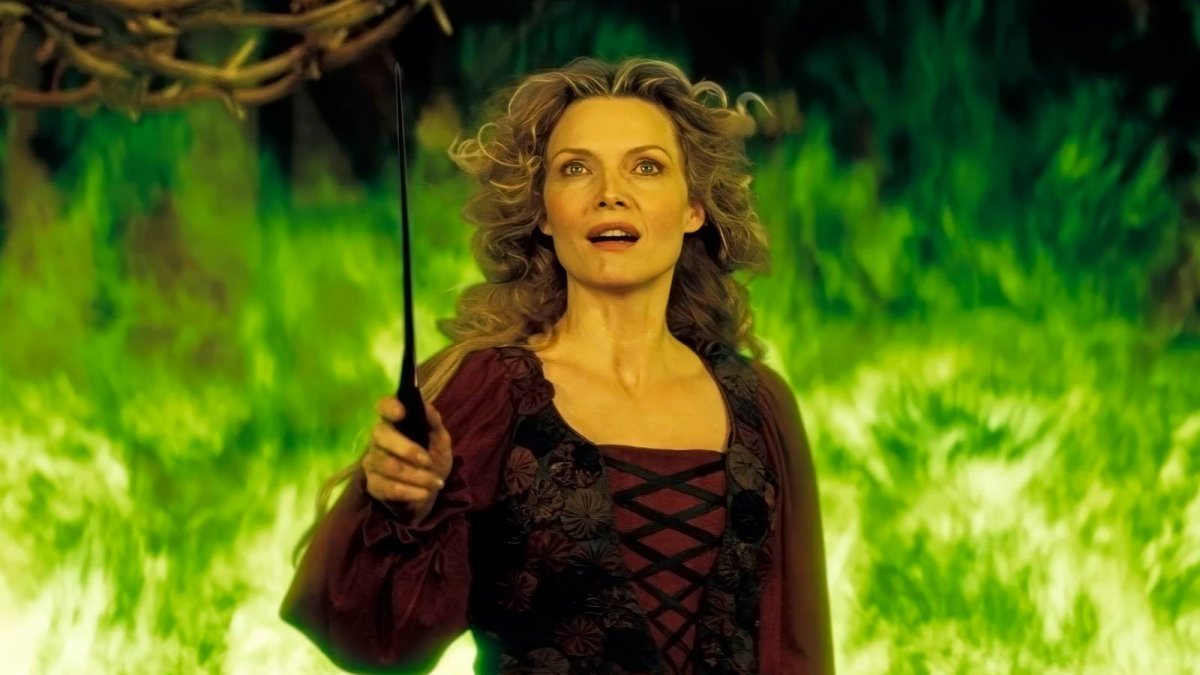
 Image via Paramount Pictures
Published Jun 6, 2026, 12:09 AM EDT
Michael Block is a 14 time GLAM Award nominated writer, producer, and host of the podcast Block Talk. Throughout his time in the entertainment industry, he has worked on and off Broadway as a stage manager, written several produced plays, critiqued hundreds of theatrical performances, drag and cabaret shows, and has produced events randing from drag competitoons to variety concerts!
On Block Talk, he interviews nightlife personalities, covers the wide world of entertainment through features, ranking episodes, and recaps ALL of Drag Race, as well as Dragula and Survivor. He has interviewed hundreds of RuGirls that span the globe at DragCon NYC, DragCon LA, and DragCon UK.
In his free time, he makes one-of-a-kind jewelry and gift baskets with his mom. He is a proud member of the LGBTQ+ community.
Sign in to your Collider account
The world of fantasy has served as a brilliant means of escapism for audiences. These movies provide a chance to visit vast new worlds as the greatest of heroes rescue the land from cataclysmic events. The subgenre of high fantasy has been the source of so many of the most iconic films under the broader fantasy umbrella. High fantasy is often described as a story set in a secondary world rather than our own, with an epic scope. Filled with elaborate magic and myth, a high fantasy adventure tends to follow a hero's journey alongside a sprawling cast of characters.
The 21st century has not been short on epic high fantasy masterpieces. From a journey to Middle-earth to a musical in the magical land of Oz, the stories we've watched on the big screen have emerged as great, solidifying the genre's beloved status. The films on this list represent a range of styles, stories, and characters, both original and pulled from iconic source material. What they all have in common is that the scale of storytelling is masterful.
10 'Dungeons & Dragons: Honor Among Thieves' (2023)
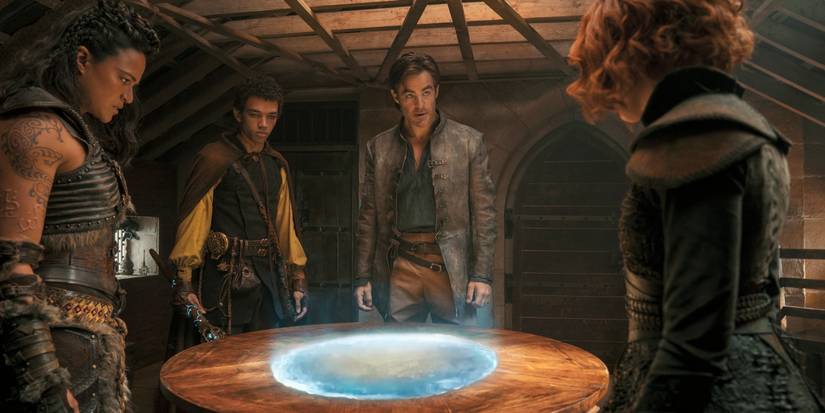 Image via Paramount Pictures
Dungeons & Dragons remains one of the greatest tabletop role-playing games of all time. Its allure is the ability to dream up fantasy worlds with extraordinary characters who embark on perilous journeys, and it's a game meant for friends. Those elements were used to create the brilliant fantasy heist comedy Dungeons & Dragons: Honor Among Thieves, directed by Jonathan Goldstein and John Francis Daley. The story follows a charming bard, Edgin "Ed" Darvis (Chris Pine), and his merry band of misfits, including Holga Kilgore (Michelle Rodriguez), Simon Aumar (Justice Smith), and Doric (Sophia Lillis). Their quest involves an epic heist into the fortified vault of Forge Fitzwilliam (Hugh Grant), who has kidnapped his daughter, Kira (Chloe Coleman).
A loving tribute to the game that gave us the 20-sided die, Dungeons & Dragons: Honor Among Thieves captures the chaotic, humorous, and heartfelt adventures as if you're playing the game with your ragtag team. It effortlessly balances high-stakes magical action with sharp comedy, creative monsters, and deep respect and care for the source material's lore. It wholly embraces the kitchen sink approach, where magical elements are not only present, but they're around every corner and just so happen to be an everyday occurrence. Dungeons & Dragons: Honor Among Thieves is further proof that high fantasy doesn't always need to be dramatic, balancing sheer spectacle, wonder, and whimsy. Perhaps the bar was set low, but the execution is near perfect.
9 'Puss in Boots: The Last Wish' (2022)
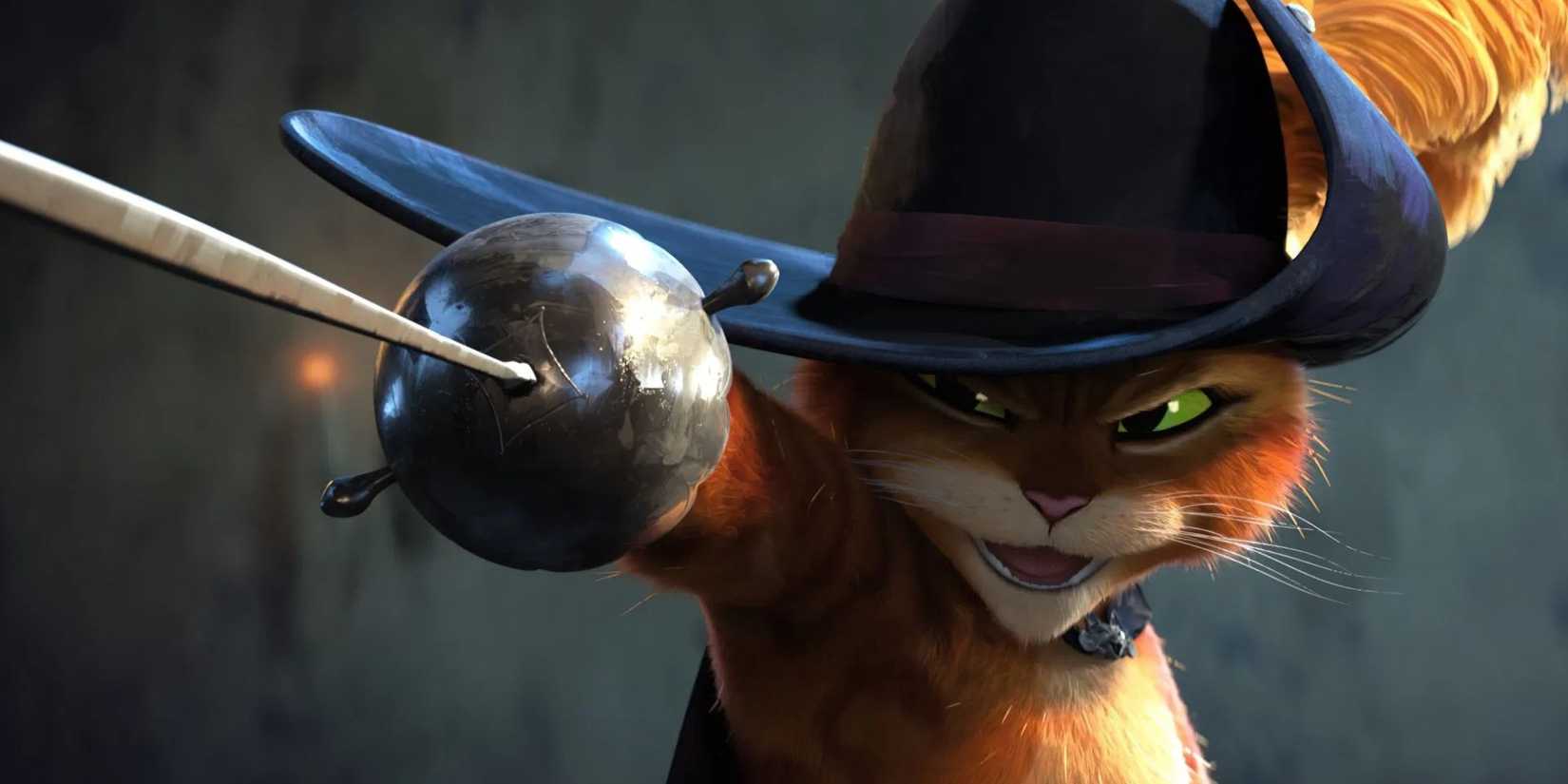 Image via Universal Pictures
Every so often, a side character pops up that just so happens to be as incredible as the protagonist. In Shrek 2, that came in the form of Puss in Boots. Voiced by the perfectly cast Antonio Banderas, the adorable kitty with an Inigo Montoya flair received his first film in 2011, but it wasn't until the sequel, Puss in Boots: The Last Wish, that he found his stride. Directed by Joel Crawford, the film follows the legendary feline as he realizes he has used up eight of his nine lives. In order to regain them, he journeys to find a magical Wishing Star, alongside Kitty Softpaws (Salma Hayek) and Perrito (Harvey Guilllén), as he confronts his fear of death, literally in the form of a shadowy wolf (Wagner Moura).
A kid-centric film with heart and morality that defied the sequel trend to deliver a perfect magical adventure, Puss in Boots: The Last Wish elevates the non-traditional fairy tale spin-off vibe by offering a deeply emotional, visually stunning exploration of mortality through an accessible lens. Though the themes may be dark and mature, they're handled with care, and by making Death an unstoppable, quiet, and terrifying force, he becomes a truly menacing antagonist. Disney tends to have the all-star cast game on lock, but Puss in Boots: The Last Wish is filled to the brim with a brilliant voice cast. Among those featured are Florence Pugh, Olivia Colman, John Mulaney, and Da'Vine Joy Randolph.
8 'The Green Knight' (2021)
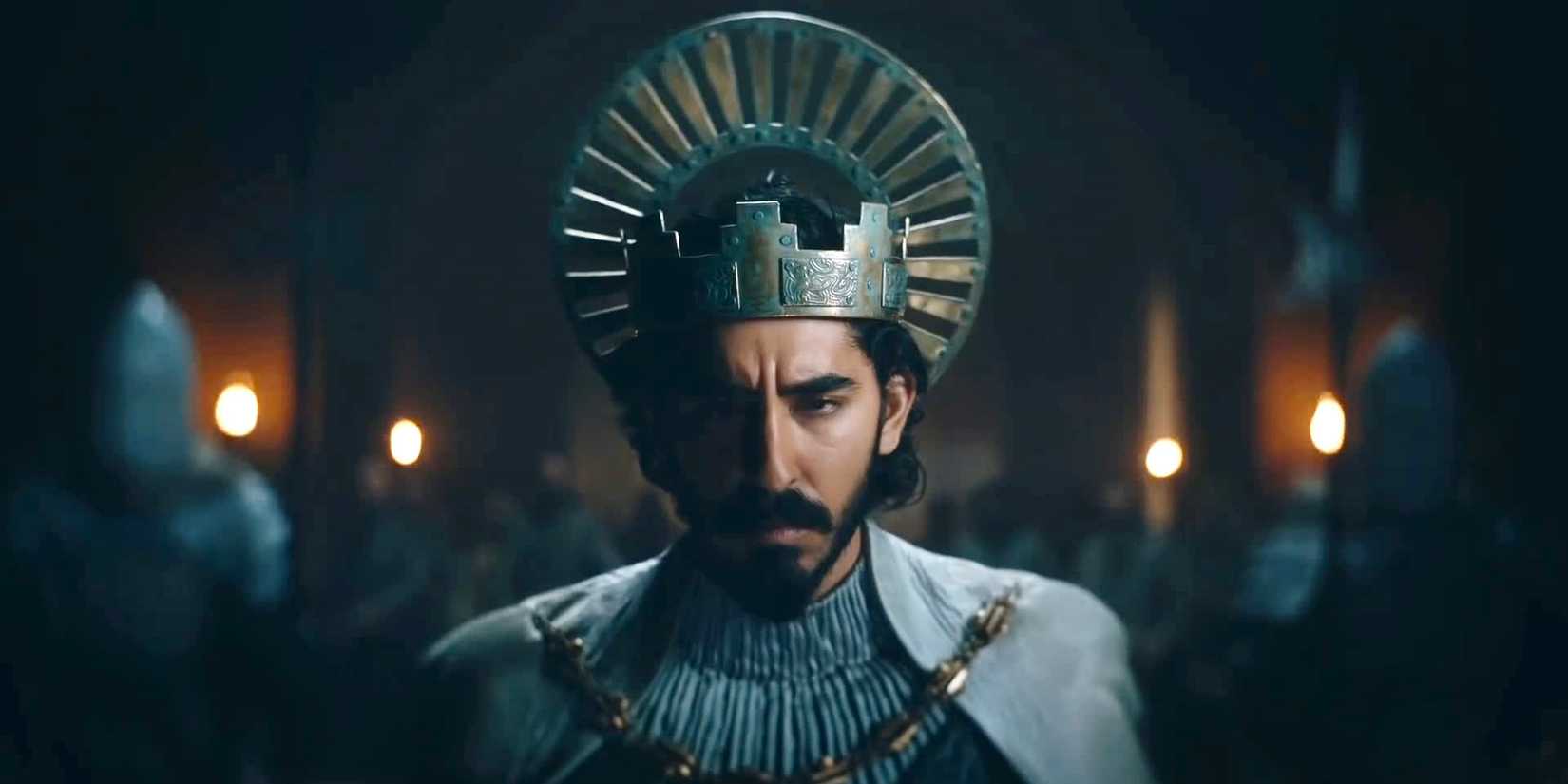 Image via A24
Perhaps the most underappreciated entry on this list is The Green Knight, written and directed by David Lowery. Sir Gawain (Dev Patel), King Arthur's (Sean Harris) reckless nephew, accepts a challenge from a giant, supernatural Green Knight (Ralph Ineson). Gawain beheads him, obligating himself to travel to the distant Green Chapel in one year to receive an equal blow in return. The result is a coming-of-age journey that tests honor and courage while deconstructing the traditional hero's journey.
The Green Knight is a visually stunning, haunting fantasy told like a dream. Though rooted in Arthurian legend, it strays from a historical mythic quest in which gods, giants, magic, and destiny shape the laws of nature, thus breaking the high fantasy mold and looking as much like an arthouse masterpiece as it does a fantasy epic. The Green Knight taps into Sir Gawain's psychological mindset during his adventure; rather than presenting an immortal hero, it's traded out for a deeply human exploration of fear, temptation, and the personal weight of honor.
7 'Stardust' (2007)
 Image via Paramount Pictures
Based on Neil Gaiman's 1999 novel, Stardust follows a young man named Tristan (Charlie Cox), who, in a quest to win the affection of his village crush, Victoria (Sienna Miller), ventures into the magical fantasy realm of Stormhold to retrieve a fallen star. He soon learns that the star is actually a celestial woman named Yvaine (Claire Danes), whom he must protect from ruthless royal heirs and dark witches hunting her power.
Whimsically balancing romance with action-packed adventure through dark fairy-tale lore, Stardust infuses delightful humor into a timeless story, making for an emotionally resonant journey. Director Matthew Vaughn and co-writer Jane Goldman strike a balance between optimism and darker themes, all while poking fun at the genre's clichés. A modern equivalent to The Princess Bride, Stardust thrives on the sensational chemistry between Tristan and Yvaine, as well as impeccable world-building. The story wouldn't be the same without its eclectic menagerie of actors, including Michelle Pfeiffer, Robert De Niro, Peter O'Toole, Ricky Gervais, Rupert Everett, and Ian McKellen as the Narrator.
6 'How to Train Your Dragon' (2010)
Based on a novel by Cressida Cowell, How to Train Your Dragon centers on Hiccup (Jay Baruchel), an awkward Viking teen who dreams of hunting dragons to win his village's respect. Instead, he unexpectedly befriends a rare Night Fury he names Toothless (Randy Thom). Through their newfound bond, Hiccup must now educate his clan that dragons are actually misunderstood creatures.
A brilliant and universal coming-of-age adventure, How to Train Your Dragon is a heartfelt, thrilling narrative that unites families through a deep, mature emotional core centered on questioning traditions, overcoming prejudice, and finding your own path. Rather than falling into the pop-culture trap that some of its predecessors did, How to Train Your Dragon treats the mythical Isle of Berk as a fantastical place you want to visit. The forbidden friendship between Toothless and Hiccup is the heart of the story, feeding off of one another so well and launching a franchise in the process. The only hiccup, no pun intended, the film is trapped in is the Scottish accents in a predominantly Scandinavian Viking lore.
5 'The Chronicles of Narnia: The Lion, the Witch, and the Wardrobe' (2005)
 Image via Buena Vista Pictures
Children have been enamored with the magical worlds created by C.S. Lewis, but it wasn't until Andrew Adamson's adaptation of The Chronicles of Narnia: The Lion, the Witch, and the Wardrobe that we were fully engulfed in the splendor of the page. The film follows four English siblings—Edmund (Skandar Keynes), Lucy (Georgie Henley), Peter (William Moseley), and Susan Pevensie (Anna Popplewell)—who are evacuated to a countryside estate during World War II. There, they discover a magical wardrobe that transports them to Narnia, a mystical world trapped in eternal winter by the evil White Witch (Tilda Swinton). Prophecy dictates the four Pevensie siblings will help the great lion Aslan (Liam Neeson) defeat the White Witch and restore peace to the land.
A simply wondrous tale that immerses viewers in a magical world, The Chronicles of Narnia: The Lion, the Witch, and the Wardrobe is a timeless story about courage, loyalty, forgiveness, and sacrifice. Itliterally transports the characters and their audience into Narnia, where fantasies come to life. Between the rich world-building and the extraordinary characters, including Aslan, Mr. and Mrs. Beaver (Ray Winstone and Dawn French), and even Mr. Tumnus (James McAvoy), were brought to life as they came straight from the imagination. The Chronicles of Narnia: The Lion, the Witch, and the Wardrobe is a sweeping epic of good and evil, with the latter personified by the electrifying chill of Swinton's White Witch.
4 'Pan's Labyrinth' (2006)
 Image via Warner Bros. Pictures
The 21st century has given us many visionary directors like Guillermo del Toro. One of his greatest achievements came in the early aughts with Pan's Labyrinth. Set in 19444 Francoist Spain, the story follows Ofelia (Ivana Baquero), an imaginative 10-year-old girl who moves to a rural military outpost with her pregnant, ailing mother, Carmen (Ariadna Gil), to live with her stepfather, Captain Vidal (Sergi López), a cruel fascist army captain. As she escapes the horrors of war, she discovers a hidden labyrinth and meets a mythic faun (Doug Jones) who claims she is a legendary lost princess.
A film that unites a fantastical world with whimsical nightmares, Pan's Labyrinth is a dangerous tale that showcases the dual worlds for a story about the loss of innocence, the nature of morality, and the power of imagination. Del Toro flawlessly contrasts the harsh realities of fascist Spain with a dark yet haunting fantasy world. Not only is it a brilliant juxtaposition, but the film is also layered with symbolism and allegory of how we use our imagination to survive the darkest times. Is magic a coping mechanism, or is it real? With its ambiguity, del Toro allows the audience to decide for themselves, making it a more personal adventure in the end.
Collider Exclusive · Oscar Best Picture Quiz
Which Oscar Best Picture
Is Your Perfect Movie?
Parasite · Everything Everywhere · Oppenheimer · Birdman · No Country
Five Oscar Best Picture winners. Five completely different visions of what cinema can be — and what it can do to you. One of them is the film that was made for the way your mind works. Ten questions will figure out which one.
🪜Parasite
🌀Everything Everywhere
☢️Oppenheimer
🐦Birdman
🪙No Country for Old Men
FIND YOUR FILM →
01
What kind of film experience do you actually want? The best movies don't just entertain — they leave something behind.
ASomething that pulls the rug out — that makes me think I'm watching one kind of film and then reveals I'm watching another entirely. BSomething overwhelming — funny, sad, absurd, and genuinely moving, all at once. CSomething grand and weighty — a film that makes me feel the full scale of what I'm watching. DSomething formally daring — a film that pushes what cinema can even do. ESomething lean and relentless — pure tension with no wasted frame.
NEXT QUESTION →
02
Which idea grabs you most in a film? Great films are driven by a central obsession. What's yours?
AClass, inequality, and what people are willing to do when desperation meets opportunity. BIdentity, family, and the chaos of trying to hold your life together when everything is falling apart. CGenius, moral responsibility, and the catastrophic weight of a decision you can never take back. DEgo, legacy, and the terror of becoming irrelevant while you're still alive to watch it happen. EEvil, chance, and whether moral order actually exists or if we just tell ourselves it does.
NEXT QUESTION →
03
How do you like your story told? Form is content. The way a story is shaped changes what it means.
AGenre-twisting — I want it to start in one lane and migrate into something completely different. BMaximalist and genre-blending — comedy, action, drama, sci-fi, all in one ride. CEpic and non-linear — cutting between timelines, building a mosaic of cause and consequence. DA single unbroken flow — I want to feel like I'm living it in real time, no cuts to safety. ESpare and precise — every scene doing exactly what it needs to do and nothing more.
NEXT QUESTION →
04
What makes a truly great antagonist? The opposition defines the protagonist. What kind of opposition fascinates you?
AA system — invisible, structural, and almost impossible to fight because it has no single face. BThe self — the ways we sabotage, abandon, and fail the people we love most. CHistory — the unstoppable momentum of events that no single person can stop or redirect. DThe industry — the machinery of culture that chews up talent and spits out irrelevance. EPure, implacable evil — a force so certain of itself it becomes almost philosophical.
NEXT QUESTION →
05
What do you want from a film's ending? The final note is the one that lingers. What do you want it to sound like?
AShock and inevitability — a conclusion that recontextualises everything that came before it. BEarned emotion — I want to cry, laugh, and feel genuinely hopeful, even if the world is a mess. CDevastation and grandeur — an ending that makes me sit in silence for a few minutes after. DAmbiguity — something that leaves enough open that I'm still thinking about it days later. EBleakness — an honest refusal to pretend the world is tidier than it actually is.
NEXT QUESTION →
06
Which setting pulls you in most? Where a film takes place shapes everything — mood, stakes, what's even possible.
AA gleaming modern city with a hidden underside — beauty masking rot, wealth masking desperation. BA collapsing suburban life that opens onto something infinite — the multiverse of a single ordinary person. CThe corridors of power and science at a world-historical turning point — where decisions echo for decades. DThe grimy, alive chaos of New York and Hollywood — fame as both destination and trap. EVast, indifferent landscape — desert and highway where violence arrives without warning or reason.
NEXT QUESTION →
07
What cinematic craft impresses you most? Every great film has a signature — a technical or artistic element that makes it unmistakable.
AProduction design and mise-en-scène — every frame composed to carry meaning beneath the surface. BEditing and tonal control — the ability to move between registers without losing the audience. CScore and sound design — music that becomes inseparable from the dread and awe of what you're watching. DCinematography as performance — the camera not recording events but participating in them. ESilence and restraint — what's left unsaid and unshown doing more work than any dialogue could.
NEXT QUESTION →
08
What kind of main character do you root for? The protagonist is the lens. Who you choose to follow says something about you.
ASomeone smart and resourceful who makes increasingly dangerous decisions under pressure. BSomeone overwhelmed and ordinary who turns out to be capable of something extraordinary. CA brilliant, tortured figure whose gifts and flaws are inseparable from each other. DA self-destructive artist whose ego is both their superpower and their undoing. EA quiet, principled person trying to make sense of a world that has stopped making sense.
NEXT QUESTION →
09
How do you feel about a film that takes its time? Pace is a choice. Some films sprint; others let tension accumulate slowly, deliberately.
AI love a slow build when I know the payoff is going to be seismic — patience for a devastating reveal. BGive me relentless momentum — I want to feel breathless and emotionally spent by the end. CEpic runtime doesn't scare me — if the material demands three hours, give me three hours. DI want it to feel propulsive even when nothing is technically happening — restless energy throughout. EDeliberate and unhurried — I want dread to accumulate in the spaces between the action.
NEXT QUESTION →
10
What do you want to feel walking out of the cinema? The best films leave a mark. What kind of mark do you want?
AUnsettled — like I've just seen something I can't fully explain but can't stop thinking about. BMoved and energised — like the film reminded me what actually matters and gave me something to hold onto. CHumbled — like I've been in the presence of something genuinely important and overwhelming. DExhilarated — like I've just seen cinema doing something it's never quite done before. EHaunted — like a cold, quiet dread that stays with me for days.
REVEAL MY FILM →
The Academy Has Decided Your Perfect Film Is…
Your answers have pointed to one Oscar Best Picture winner above all others. This is the film that was made for the way your mind works.
Parasite
You are drawn to films that operate on multiple levels simultaneously — that begin in one genre and quietly, brilliantly migrate into another. Bong Joon-ho's Parasite is a film about class, desire, and the architecture of inequality that manages to be darkly funny, deeply suspenseful, and genuinely shocking across a single extraordinary running time. Your instinct is for cinema that hides its true intentions until the moment it's ready to reveal them. Parasite is exactly that — a film that rewards close attention and punishes assumptions, right up to its devastating final image.
Everything Everywhere All at Once
You want it all — and this film gives you all of it. The Daniels' Everything Everywhere All at Once is one of the most maximalist films ever made: action comedy, multiverse sci-fi, family drama, existential crisis, and a genuinely earned emotional core that sneaks up on you amid the chaos. You are someone who responds to ambition, who doesn't want cinema to choose between being entertaining and being meaningful. This film refuses that choice entirely. It is overwhelming by design, and its overwhelming nature is precisely the point — because the feeling of being crushed by infinite possibility is exactly what it's about.
Oppenheimer
You are drawn to cinema on a grand scale — films that understand history not as a backdrop but as a force, and that place their characters inside that force and watch what happens. Christopher Nolan's Oppenheimer is a film about the terrifying gap between what we can do and what we should do, told with the full weight of one of the most consequential moments in human history behind it. You want your films to feel important without feeling self-important — to earn their ambition through sheer craft and the gravity of their subject. Oppenheimer does exactly that. It is enormous, complicated, and refuses easy comfort.
Birdman
You are drawn to films that foreground their own construction — that make the how of the filmmaking part of the what it's about. Alejandro González Iñárritu's Birdman, shot to appear as a single continuous take, is cinema examining itself through the cracked mirror of a fading actor's ego. You respond to formal daring, to the feeling that a film is doing something that probably shouldn't be possible. Michael Keaton's performance and Emmanuel Lubezki's restless camera create something genuinely unlike anything else — a film that is simultaneously about creativity, relevance, self-destruction, and the impossibility of ever truly knowing if your work means anything at all.
No Country for Old Men
You are drawn to cinema that trusts silence, that refuses to explain itself, and that treats dread as a form of meaning. The Coen Brothers' No Country for Old Men is a film about the arrival of a new kind of evil — implacable, arbitrary, and utterly indifferent to the moral frameworks we use to make sense of the world. It is one of the most formally controlled films ever made, and its controlled restraint is what makes it so terrifying. You want your films to haunt you, not comfort you. You are not interested in resolution if resolution would be dishonest. No Country for Old Men is honest in a way that most cinema never dares to be.
↻ RETAKE THE QUIZ
3 'Wicked' (2024-2025)
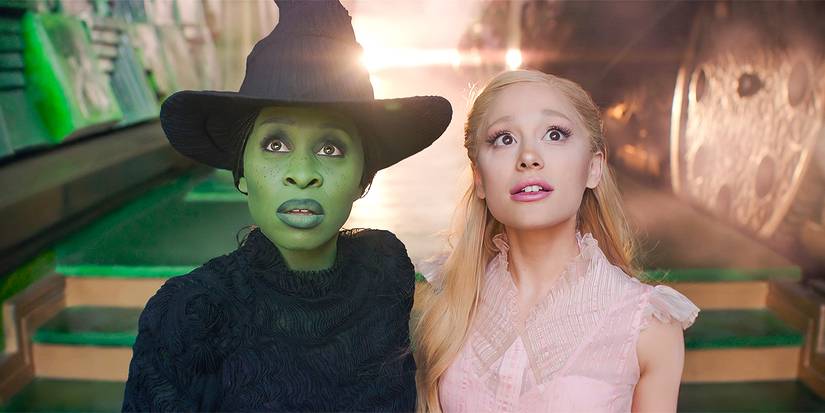 Image via Universal Pictures
For this entry, we will discuss the story in the context of both films: Wicked and Wicked: For Good. Directed by Jon M. Chu, Wicked lifts the Stephen Schwartz and Winnie Holzman musical, which in turn is inspired by Gregory Maguire's novel. Serving as a prequel to L. Frank Baum's 1900 novel The Wonderful Wizard of Oz, the story tells the unlikely bond between Elphaba (Cynthia Erivo), a misunderstood, green-skinned outcast who goes on to be the infamous Wicked Witch of the West, and Galinda (Ariana Grande), a privileged, popular girl who goes on to become the infamous Glinda the Good.
Across both films, the stage play is fully realized. Chu's eye for splendor is on full display, employing a rich, tangible set and practical effects to transport audiences straight to Oz. With grand set pieces and dazzling costumes, Wicked transforms the source material into something truly magical, remaining faithful to its stage iteration while elevating it to cinematic heights. A major reason for its success is the cast. Between the two leads and the likes of Michelle Yeoh, Jonathan Bailey, and Ethan Slater, Wicked is done to perfection. Though the first film is far superior, Wicked is still the gold standard of how to bring a musical to the silver screen.
2 'Spirited Away' (2001)
 Image via Studio Ghibli
It wasn't until 2001's Spirited Away that the mainstream truly grasped the brilliance of Studio Ghibli, and the animated world has never been the same since. In Hayao Miyazaki's magnum opus, Chihiro (Daveigh Chase/Rumi Hiiragi), a 10-year-old girl, inadvertently wanders into a magical spirit realm. When her parents are transformed into pigs by a witch, Chihiro must work in a magical bathhouse run by a sorceress named Yubaba (Suzanne Pleshette/Mari Natsuki) to free them and find her way home.
For starters, the animation style is next to perfect. Through hand-drawn animation, Miyazaki's story is fluid and seamless, drawing viewers along with Chihiro on her journey. From there, there is fantastic world-building and character creation, including the likes of the dragon Haku (Jason Marsden/Miyu Irino) and No-Face (Bob Bergen/Akio Nakamura). A quintessential millennial film, Spirited Away is more than just an important coming-of-age story; it's a reminder of the importance of identity and the power of memory. Winning the Academy Award for Best Animated Feature, Spirited Away is an animated game-changer.
1 'The Lord of the Rings' Trilogy (2001-2003)
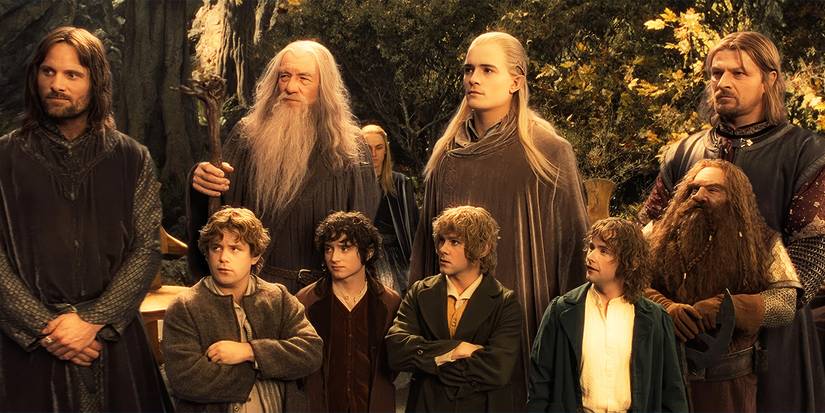 Image via New Line Cinema
There are no other high fantasy films of this century that are more highly regarded than Peter Jackson's profoundly epic The Lord of the Rings trilogy. Bringing J. R. R. Tolkien's novels to life, The Lord of the Rings tells the tale of Frodo Baggins (Elijah Wood) as he embarks on a perilous quest to destroy the One Ring, an ancient artifact of ultimate evil. To save Middle-earth from the Dark Lord Sauron, Frodo and his diverse fellowship must travel to Mount Doom, the only place where the ring can be undone.
The trilogy combines a timeless, emotionally resonant story of hope with groundbreaking filmmaking to create a large-scale spectacle in an immersive fantasy world. Filming all three films back-to-back, the continuity is not just present; it's essential to Jackson's seamless storytelling. Through perfectly casting a giant ensemble and the perfect filming location of New Zealand, The Lord of the Rings becomes a genuine, tangible experience that never feels daunting. Though it's a long experience, there's a reason why devoted fans binge the series as a trilogy. Establishing a blueprint for epic storytelling, craftsmanship, and adaptation, The Lord of the Rings served as a cinematic game-changer, remaining one of the most essentialfranchises of all time.

What's Your Reaction?
 Like
0
Like
0
 Dislike
0
Dislike
0
 Love
0
Love
0
 Funny
0
Funny
0
 Wow
0
Wow
0
 Sad
0
Sad
0
 Angry
0
Angry
0





Comments (0)