

7 Adaptations Of The Odyssey You Didn't Know Were Adaptations Of The Odyssey
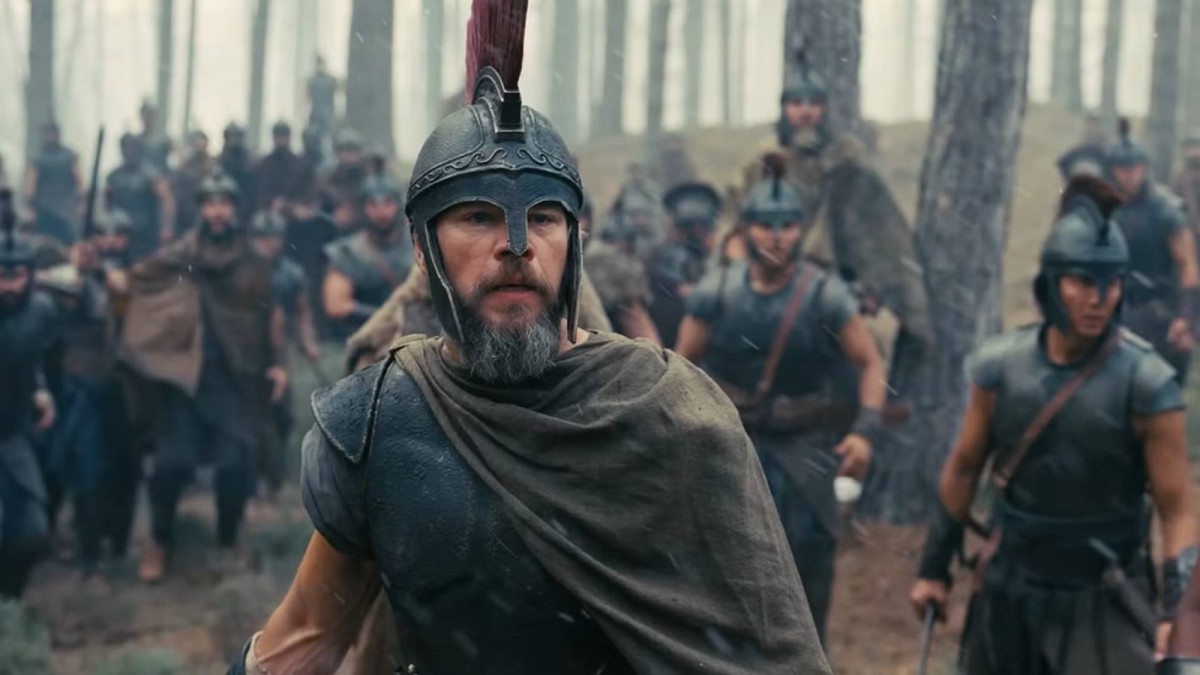
As one of the greatest and oldest heroic adventures ever, The Odyssey has been adapted dozens of times, including some iconic movies that many might not realize were adaptations of Homer’s classic tale. With Christopher Nolan's The Odyssey, bringing Homer’s ancient epic back into the spotlight, audiences are once again preparing for a story that has already influenced thousands of years of literature, film, and television.
The tale of Odysseus’ long and perilous journey home after the Trojan War remains one of the most enduring narratives ever written, packed with monsters, temptations, disguises, divine interference, and one very determined traveler desperate to get home to his wife before she marries another man. Along with direct adaptations, the structure of Homer’s poem has quietly appeared in countless unexpected places, from crime thrillers and Westerns to arthouse dramas and even animated family comedies.
Sometimes the similarities are obvious, with characters and events intentionally mirroring those in the original text. In other cases, filmmakers borrow the epic’s themes of homecoming, identity, and perseverance while transplanting them into entirely different genres and settings. The result is a fascinating collection of movies that feel nothing alike on the surface but share the same narrative DNA. These films prove that Odysseus has been making the journey home for nearly 3,000 years – and he has taken some surprisingly unusual routes along the way.
The SpongeBob SquarePants Movie (2004)
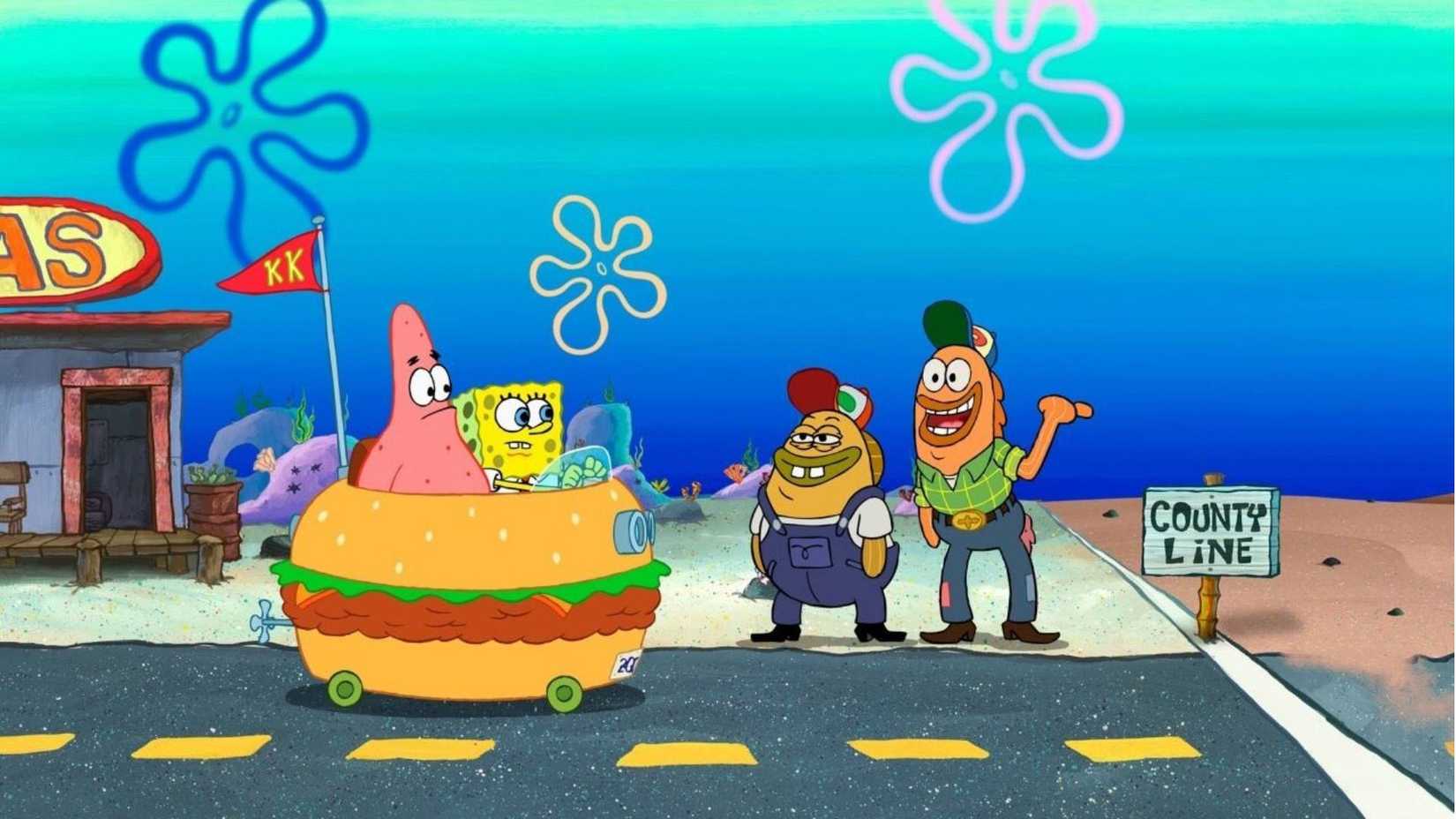
At first glance, comparing a SpongeBob adventure to one of the foundations of Western literature sounds ridiculous. Then again, Homer probably didn't have David Hasselhoff available. The SpongeBob SquarePants Movie follows SpongeBob and Patrick as they leave Bikini Bottom on a dangerous quest to retrieve King Neptune's stolen crown. Like Odysseus, they encounter a series of increasingly bizarre obstacles during their travels, including monsters, temptations, hostile strangers, and deadly environments.
Their journey takes them far beyond the safety of home into a world filled with dangers they scarcely understand. In particular, the Cyclops villain and the Bag of Winds are lifted directly from Homer. Much like Odysseus' voyage from island to island, SpongeBob and Patrick move from one self-contained adventure to another while attempting to complete a larger mission, receiving divine aid along the way.
Their visit to the Thug Tug, for example, functions much like one of Odysseus' encounters with dangerous outsiders. The SpongeBob SquarePants Movie naturally swaps Homeric tragedy for absurd comedy, but beneath the jokes is a surprisingly faithful recreation of an epic quest narrative.
O Brother, Where Art Thou? (2000)

Unlike many entries on this list, the Coen Brothers never tried to hide their inspiration. O Brother, Where Art Thou? is an openly modernized version of The Odyssey set in Depression-era Mississippi. George Clooney's Ulysses Everett McGill even shares a name derived from Odysseus' Roman counterpart, Ulysses.
After escaping from a chain gang, Everett embarks on a journey home to reunite with his wife Penny, who has grown tired of waiting and is preparing to marry another man. The resemblance to Penelope's predicament in Homer is impossible to miss. O Brother, Where Art Thou? cleverly reimagines many famous episodes from the poem.
The seductive women at the river evoke the Sirens, the one-eyed Bible salesman Big Dan Teague serves as a Cyclops figure, and various political bosses and lawmen take on roles similar to gods manipulating events from above. Rather than swords and monsters, the Coens replace mythological dangers with the social and economic realities of 1930s America. Yet the central story remains remarkably intact.
Cold Mountain (2003)

Anthony Minghella's Civil War drama Cold Mountain may not advertise itself as a Homeric adaptation, but its roots in The Odyssey run deep. Confederate soldier Inman, played by Jude Law, deserts the army and undertakes a long and dangerous journey back to Cold Mountain and the woman he loves.
Like Odysseus, Inman spends years trying to return home after a devastating war, encountering a series of strangers who either help or hinder his progress. Each stop along the route functions almost like one of Odysseus' island adventures. Inman meets thieves, religious fanatics, lonely widows, and dangerous opportunists. Every encounter tests his morality, resilience, and determination to continue moving forward.
Meanwhile, Nicole Kidman's Ada occupies a role similar to Penelope, struggling to survive while waiting for her absent partner's return. Both women face immense pressure to abandon hope and move on with their lives. The biggest difference is tone. Homer's poem embraces mythology and adventure, while Cold Mountain grounds its story in historical realism.
Keyhole (2011)

Guy Maddin's surreal crime drama Keyhole is probably the strangest Odyssey adaptation ever filmed, which is saying something considering Homer included a witch who turned men into pigs. Jason Patric plays Ulysses Pick, a gangster who returns to his home after a lengthy absence. Once there, he wanders through the house's labyrinthine corridors while confronting ghosts, memories, and fragments of his past.
Keyhole intentionally blurs reality and fantasy, creating an experience that often feels dreamlike and disorienting. Many of the characters correspond directly to figures from The Odyssey. Ulysses' wife Hyacinth serves as a Penelope figure, while various ghosts and inhabitants of the house mirror individuals Odysseus encounters during his travels.
Keyhole transforms the journey into a psychological exploration of memory, guilt, and identity. The house effectively becomes Ithaca, the destination and the challenge simultaneously. It's a demanding film that offers few easy answers, but its Homeric influences are unmistakable.
The Warriors (1979)

Walter Hill's cult classic The Warriors is usually discussed as a gang movie, but its narrative owes just as much to Ancient Greece as it does to 1970s New York. After being falsely accused of murder, the Warriors must travel from the Bronx back to their home territory in Coney Island while every gang in the city hunts them. Their journey transforms New York into a modern mythological landscape filled with dangers lurking around every corner.
Like Odysseus and his crew, the Warriors move through hostile territory while facing a succession of distinct enemies. The Baseball Furies, the Lizzies, and the Rogues function almost like the Furies, Sirens, and Giants of Homeric legend, each presenting a unique challenge before the heroes can continue.
The city's subway system even resembles the sea lanes of The Odyssey, connecting isolated territories that feel like modern islands. The Warriors replaces divine intervention with gang politics and urban paranoia, but the structure remains remarkably similar. It's still a story about a group of survivors desperately trying to get home while the world seems determined to stop them.
Beau Is Afraid (2023)

Ari Aster's Beau Is Afraid might seem worlds away from The Odyssey, but it shares the epic's fundamental framework in surprisingly direct ways. Joaquin Phoenix's Beau embarks on a journey to visit his mother, only to encounter a seemingly endless series of bizarre obstacles, strange characters, and surreal detours.
Every attempt to move forward creates new complications, transforming a simple trip into an overwhelming odyssey. Like Odysseus, Beau frequently finds himself trapped by forces beyond his control. He is manipulated, delayed, deceived, and tested throughout his travels. However, where Odysseus relies on cunning and confidence, Beau is defined by anxiety and indecision.
Aster essentially inverts the traditional hero's journey. Odysseus succeeds because he overcomes challenges through intelligence and determination. Beau repeatedly struggles because he lacks those qualities. Instead of celebrating heroic perseverance, Beau Is Afraid asks what happens when the traveler is completely unequipped for the journey.
The Return Of Ringo (1965)

Spaghetti Westerns borrowed heavily from mythology, and The Return of Ringo may be one of the most direct Odyssey adaptations ever made. Giuliano Gemma stars as Montgomery Brown, known as Ringo, a Civil War veteran who returns home after the conflict only to discover that outlaws have seized control of his town. Worse still, his wife appears to be moving on without him.
The similarities to Homer's epic are extensive. Like Odysseus, Ringo returns from war to find hostile men occupying his territory and attempting to claim what rightfully belongs to him. He conceals his identity, observes the situation from a distance, and carefully plots how to reclaim his home and family.
Even the climactic confrontation echoes Odysseus' bloody reckoning with Penelope's suitors in Ithaca. The Western setting naturally replaces Greek mythology with gunslingers and frontier justice, but the underlying story remains remarkably faithful. If O Brother, Where Art Thou? is the most famous modern Odyssey adaptation, The Return of Ringo is arguably one of the most accurate.
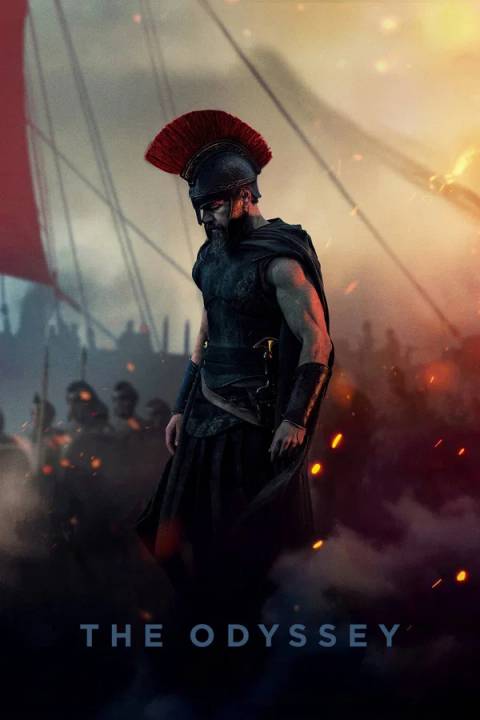
Release Date July 17, 2026
Runtime 172 Minutes
What's Your Reaction?
 Like
0
Like
0
 Dislike
0
Dislike
0
 Love
0
Love
0
 Funny
0
Funny
0
 Wow
0
Wow
0
 Sad
0
Sad
0
 Angry
0
Angry
0












Comments (0)