

NPPA Raises Constitutional Concerns Over FAA’s Proposed Drone Limits
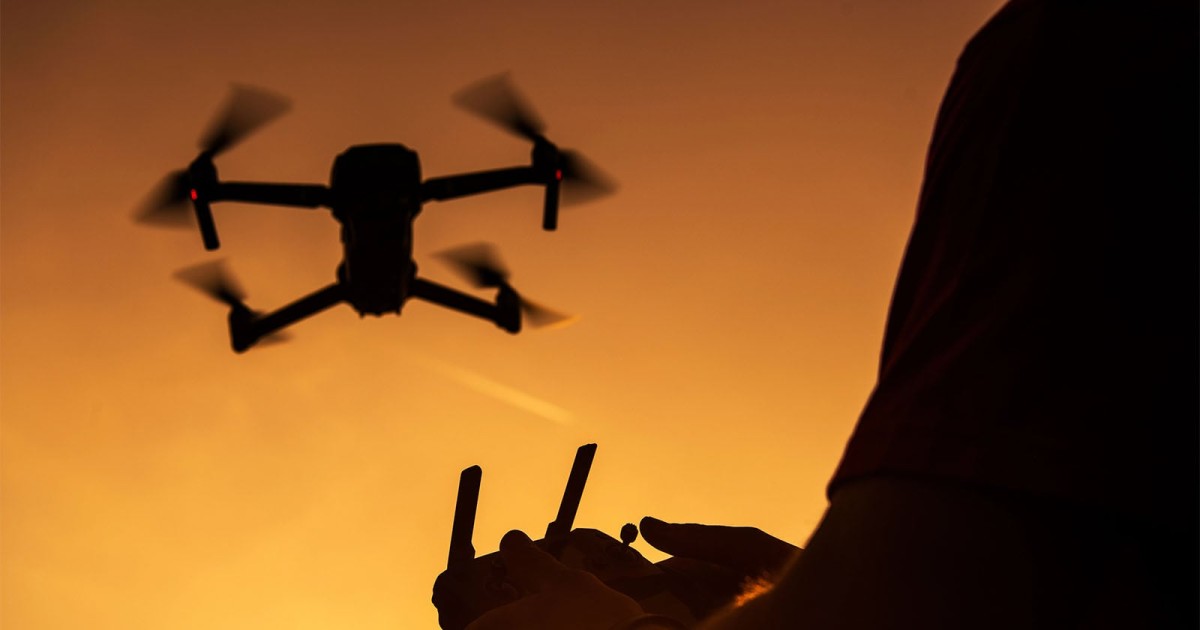
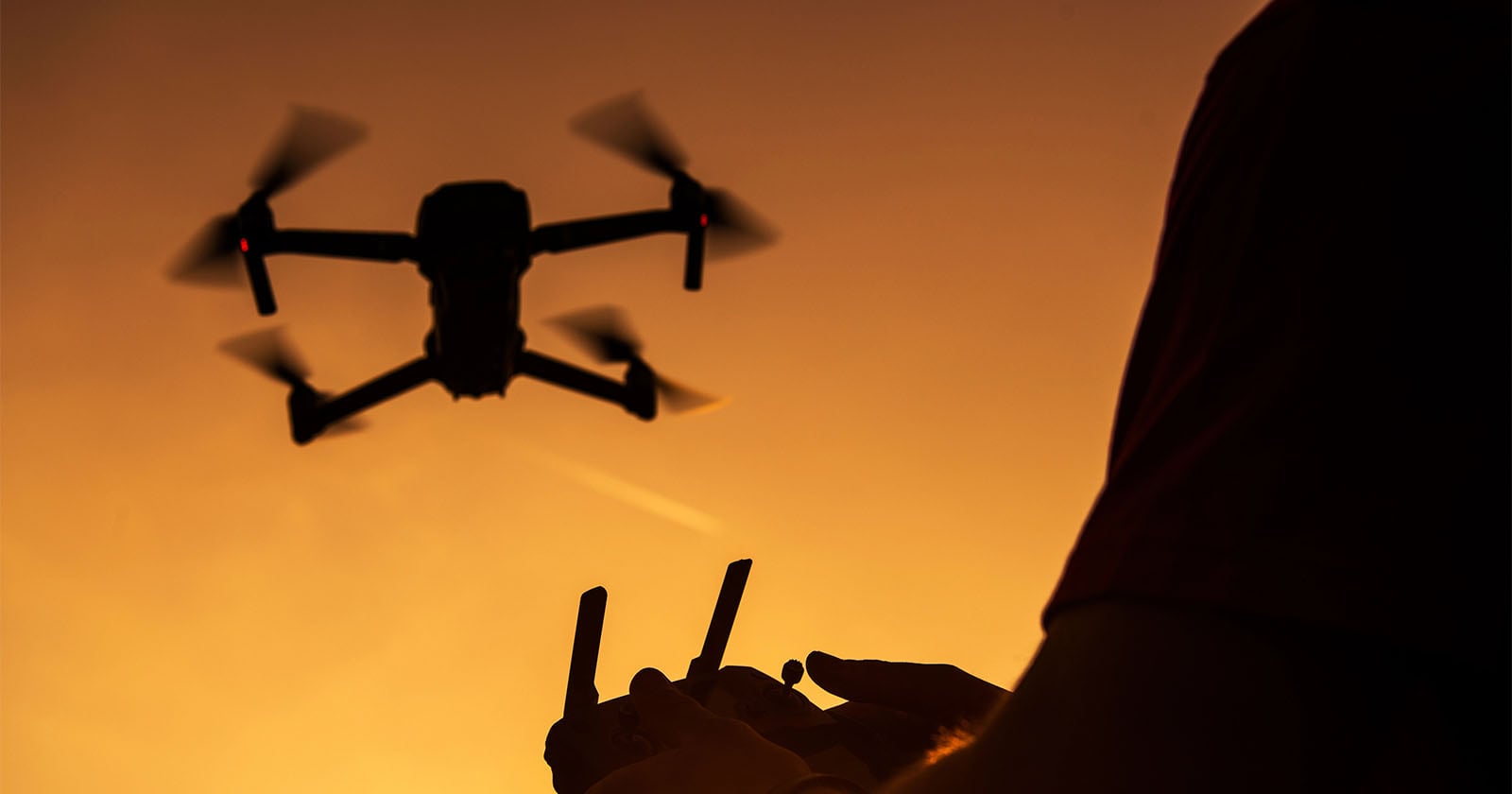
The United States Federal Aviation Administration (FAA) has proposed rule changes to restrict drone operations over critical infrastructure sites, citing “safety and security.” The National Press Photographers Association (NPPA) filed a new set of comments on the proposed rule changes, raising concerns about potential impact on First Amendment-protected newsgathering.
“NPPA recognizes and supports the FAA’s responsibility to protect critical infrastructure, national security assets, and other sensitive facilities from legitimate threats posed by uncrewed aircraft systems (‘UAS’), more commonly known as drones,” the NPPA writes. “NPPA does not challenge the FAA’s authority to impose appropriate narrowly tailored restrictions where necessary to address documented safety and security concerns.”
The issue is not that there are rules surrounding drone operations in certain areas, those are expected, but that the FAA’s proposed rules would effectively open the door for operators of just about any infrastructure or infrastructure-related site to petition the FAA to restrict drone access. This includes sites related to things like communications, commercial operations, dams, energy manufacturing, food and agriculture, information technology, transportation systems, and water, among others. Many of these covered sites have direct and important relevance to the public interest and safety.
The NPPA notes that drones can be vital tools for modern journalism related directly to matters of significant public concern.
As NPPA explains, journalists “routinely use” drones to document things like natural disasters, environmental emergencies, failures of infrastructure, public demonstrations, transportation incidents, government-funded construction, traffic, search-and-rescue, wildfires, flooding, industrial accidents, and government activities that occur within public view. These are legitimate, protected use cases of drones.
Further, the NPPA notes that drone journalism is a “safer, less costly, and less intrusive alternative” to using crewed aircraft to achieve the same or meaningfully similar results. As the NPPA argues, people have a right to receive “timely and accurate” information about events in their community that affect them.
The NPPA suggests that FAA restrictions should be narrowly tailored to specifically address legitimate safety concerns, rather than broad, increasingly expansive restrictions that “have significantly affected lawful newsgathering and the public’s ability to receive information concerning governmental activities and other matters of public concern.”
“NPPA is concerned that the proposed rule establishes a process by which potentially significant portions of the NAS may be subject to long-term or effectively permanent restrictions without sufficient transparency, public participation, documented findings, procedural safeguards, or consideration of the impact on First Amendment-protected newsgathering activity,” NPPA writes.
The NPPA adds that recent experience has demonstrated that its fears are “not theoretical,” but rather real threats to First Amendment rights that have already occurred, such as with the Department of Homeland Security (DHS) enacting temporary flight restrictions near all of its mobile assets in Chicago, effectively suppressing Constitutionally-protected journalism.
More recently, the NPPA commented on a situation where DHS essentially created a constantly moving temporary flight restriction around all of its assets, including vehicles, in Minneapolis.
The NPPA believes the FAA should add important safeguards to its proposed rule changes, including the ability to maintain a meaningful administrative record, periodic reviews, expiration requirements, and meaningful avenues for challenging restrictions.
“NPPA is further concerned that the proposed rule contains no mechanism by which journalists, drone operators, researchers, public safety agencies, local governments, property owners, or members of the public can readily determine what facilities have been designated, the scope of any resulting restrictions, whether those restrictions remain in effect, or when they expire,” NPPA continues.
“History has shown that restrictions adopted in the name of security can gradually expand beyond their original purpose. We have seen that evolution through increasingly broad Temporary Flight Restrictions, restrictions affecting DHS operations, and now this proposed rule,” Mickey H. Osterreicher, Esq., General Counsel for the NPPA, tells PetaPixel.
“The Constitution does not prevent the government from addressing legitimate security concerns, but it does require that restrictions on First Amendment-protected newsgathering be supported by evidence, be narrowly tailored, be transparent, and be subject to meaningful oversight.
“As drones have become one of the principal tools of modern visual journalism, restrictions on their use increasingly affect not only how journalists gather the news, but also how the public learns about matters of significant public concern. Our comments encourage the FAA to strike the proper constitutional balance before these restrictions become permanent.”
Alex Garcia, NPPA President, adds:
“The National Press Photographers Association fully recognizes the FAA’s responsibility to protect critical infrastructure and address legitimate security threats. But security and transparency are not mutually exclusive. Drones have become an indispensable tool for documenting natural disasters, environmental incidents, public demonstrations, emergency response activities, and other matters of profound public concern. Our comments urge the FAA to adopt a rule that protects genuine security interests while preserving the public’s right to receive timely, independent information through lawful newsgathering. The goal is not to choose between security and a free press, but to ensure that both are appropriately protected.”
The public comment phase ends on August 5, 2026, and there is no current date for when the FAA’s proposed rules would go into effect.
Image creditsHeader photo licensed via Depositphotos.com.
What's Your Reaction?
 Like
0
Like
0
 Dislike
0
Dislike
0
 Love
0
Love
0
 Funny
0
Funny
0
 Wow
0
Wow
0
 Sad
0
Sad
0
 Angry
0
Angry
0








Comments (0)