

US pauses strikes on Iran after 13 consecutive nights as crypto markets feel the heat
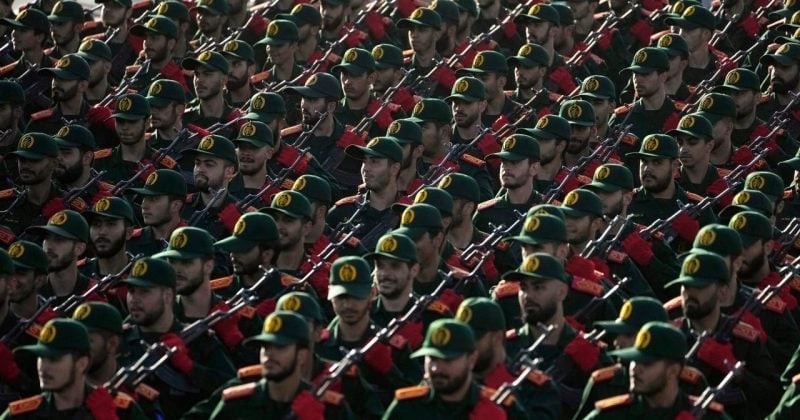
After 13 straight nights of US strikes on Iranian targets, Washington hit the pause button. President Trump confirmed that diplomatic talks with Tehran are underway, but made clear the military is standing by if negotiations stall.
For crypto markets, the damage is already done. The extended campaign of strikes, centered on threats to shipping routes through the Strait of Hormuz, triggered a classic risk-off flight that drained roughly $80 billion from crypto’s total market capitalization.
What happened and why it matters
US Central Command carried out at least 13 consecutive nights of strikes focused on Iranian military capabilities deemed a threat to commercial shipping. The campaign represented one of the most sustained periods of direct US military action against Iran, and it followed the collapse of a ceasefire that had been established in June.
That June ceasefire had briefly calmed nerves across global markets. Its breakdown reignited hostilities and pushed oil prices above $100 per barrel for the first time since May.
Trump’s messaging has been deliberately dual-track. He’s touting the existence of negotiations while simultaneously reminding Tehran, and the world, that the US military remains on high alert. Temporary pauses in military operations have historically coincided with diplomatic windows involving Gulf allies.
The crypto market fallout
During the recent escalation, Bitcoin dropped from around $65,500 to below $64,000. That’s roughly a 2.3% decline that was part of a broader wipeout that saw the entire crypto market shed approximately $80 billion in value. Ethereum wasn’t spared either, with both leading assets falling sharply as traders moved capital out of anything perceived as risky and into traditional safe havens like the dollar and treasuries.
Oil prices surging past $100 per barrel raises the specter of inflation, which raises the specter of tighter monetary policy, which raises the specter of reduced liquidity. Crypto, for all its decentralization ethos, still runs on the same liquidity plumbing as every other risk asset.
Background and broader context
Roughly 20% of the world’s oil supply passes through the Strait of Hormuz on any given day. The June ceasefire had offered a brief reprieve, with crypto recovering some lost ground as traders cautiously re-entered positions. The ceasefire’s collapse and the subsequent 13-night strike campaign reversed those gains and then some.
The current conflict gained momentum in late February 2026 with US and Israeli operations, termed Operation Epic Fury, targeting Iranian nuclear and military installations. Iran’s response included the imposition of blockades and tolls on shipping routes, triggering a cycle of strikes, ceasefires, and intermittent hostilities.
What this means for investors
The sensitivity of crypto to geopolitical shocks is no longer debatable. Each escalation cycle during this conflict has produced measurable drawdowns in digital asset prices.
Oil prices are the canary in the coal mine here. As long as crude stays above $100, the inflationary pressure narrative keeps traditional finance in a defensive crouch, bleeding directly into crypto through reduced institutional appetite for speculative positions.
Traders should be watching three things in the coming days: whether diplomatic talks produce any concrete framework, whether oil prices retreat from their current elevated levels, and whether Bitcoin can hold the $64,000 level that served as recent support.
Disclosure: This article was edited by Editorial Team. For more information on how we create and review content, see our Editorial Policy.
What's Your Reaction?
 Like
0
Like
0
 Dislike
0
Dislike
0
 Love
0
Love
0
 Funny
0
Funny
0
 Wow
0
Wow
0
 Sad
0
Sad
0
 Angry
0
Angry
0











Comments (0)