

Brad Pitt's Fury is now free to stream on Pluto TV

Published Jun 25, 2026, 2:00 PM EDT
Even after 12 years, one scene lingers as both surprising and memorable
 Image: Sony Pictures
If you've played enough Battlefield, you've probably had the fantasy. You're the tank commander. Your crew is unstoppable. Shells explode around you as you roll across the battlefield, shrugging off enemy fire and carving a path through the chaos. It's one of gaming's oldest power fantasies, and few films have ever captured it better than Brad Pitt’s 12-year-old war movie..
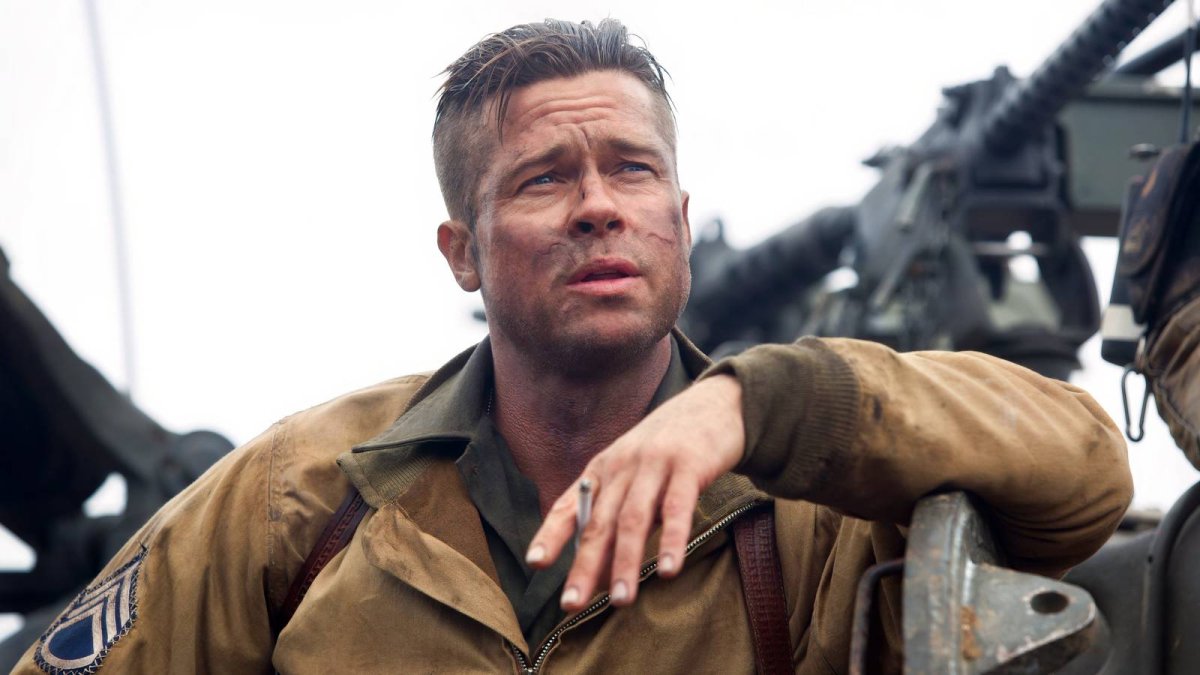
Streaming free on Pluto TV as of June, David Ayer's Fury (2014) follows a battle-hardened American tank crew pushing into Nazi Germany during the final weeks of World War II. Led by Don "Wardaddy" Collier (Brad Pitt), the crew includes the unstable Grady (Jon Bernthal), the religious Boyd (Shia LaBeouf), and Norman (Logan Lerman), a young clerk-turned-soldier who has never killed anyone.
Fury is famous for its tank combat, and deservedly so. The centerpiece duel between an American Sherman and a German Tiger remains one of the most thrilling armored battles ever put on film. Every shell feels catastrophic. Every tactical decision feels like life or death. If you're looking for the closest thing Hollywood has produced to a Battlefield campaign brought to life, Fury is still near the top of the list.
What separates Fury from countless other war movies, however, isn't the action. It's a quiet scene in an apartment that happens right in the middle of all the action.
Wardaddy doesn't seem like a particularly good man, and we learn this very quickly in Fury. He's competent and well-respected, but he's also brutal. For example, everyone on the tank’s crew is frustrated by Norman’s lack of experience and disdain for violence. Norman consistently makes mistakes that cause allied troops to lose their lives. So Wardaddy forces Norman to execute a captured Nazi soldier. He also routinely bullies and intimidates Norman. Even when Wardaddy is protecting his crew, there's a coldness to him that makes it hard to tell whether he thinks he’s being practical or just plain cruel.
That's intentional. Pitt plays Wardaddy as a jaded soldier who's been fighting for so long that he forgot what peace even feels like. He carries himself with the confidence of a hero, but director David Ayer (Suicide Squad, The Beekeeper) gives us plenty of reasons to see him as something closer to a villain.
After Allied troops take the village of Kirchohsen, that begins to change. Up until this point, Wardaddy’s lessons for Norman have largely consisted of forcing him to abandon his ideals. (“Ideals are peaceful — history is violent,” he says at one point.) So when Wardaddy drags the young soldier into an apartment occupied by two German women — the younger Emma and her older cousin — the scene immediately feels wrong.
The women are terrified. Norman is visibly uncomfortable. Wardaddy barks orders, invades their space, is physically rough with them, and behaves with the same aggressive confidence we've seen throughout the film. The audience has spent the entire movie watching Wardaddy justify increasingly harsh behavior in the name of survival, and Pitt plays the scene with just enough menace that it's difficult to predict where it's headed.
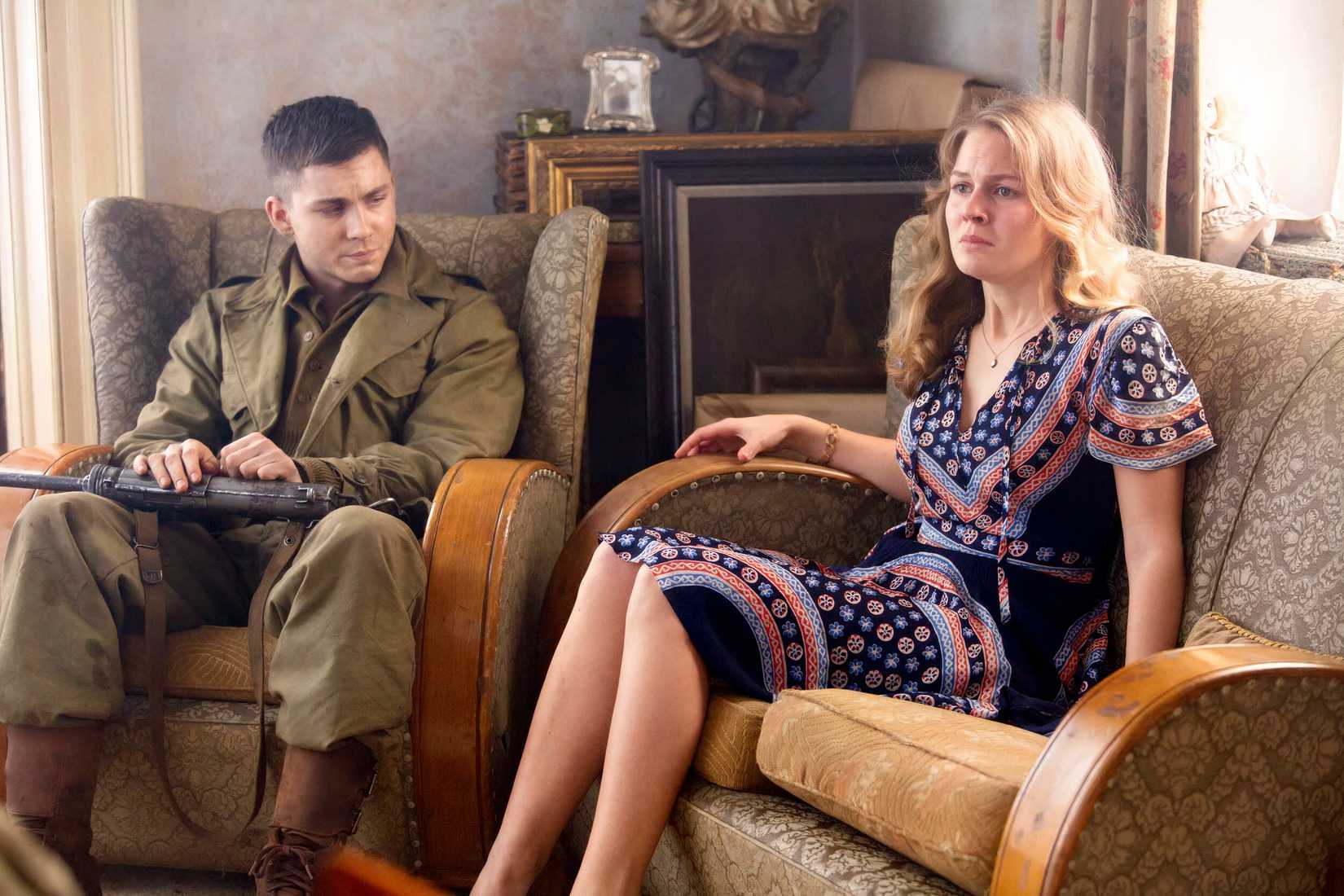 Norman and Emma in Fury.Image: Sony Pictures
Is Wardaddy about to show us that he’s even worse than we previously thought? Then the tone shifts. Wardaddy calmly asks for hot water. He shares eggs. He offers cigarettes. He speaks in German so they can understand him better. Norman sits at a piano and plays "The Virgin's Slumber Song" while Emma sings it in German. For a few brief minutes, the war fades. They're just people trying to remember what normal life feels like, even as drunken American soldiers fire bullets into the air and blow things up with grenades in the town square.
Up until that point, it's easy to see Wardaddy as a man who’s been hollowed out from the inside by years of war. Instead, the apartment sequence reveals something much sadder. Wardaddy hasn't lost his humanity. He's desperately trying to hold onto what's left of it, cradling it as delicately as he does the half-dozen secret eggs he kept in a metal tin.
Fury isn't arguing that war turns people into monsters. It’s that staying decent becomes a struggle the longer you’re at war. The tragedy, of course, is that even this blissful moment is fleeting. The rest of the crew eventually arrives, bringing the ugliness of war with them through insults and lewd comments.
More than a decade later, Fury remains memorable for its big Tiger tank battle, but it’s this apartment scene that still shakes me to this day. It remains the emotional heart of Fury because it's the moment the film stops asking how soldiers survive war and starts asking what parts of themselves they lose in the process.
The answer isn't particularly hopeful, but it's honest.
What's Your Reaction?
 Like
0
Like
0
 Dislike
0
Dislike
0
 Love
0
Love
0
 Funny
0
Funny
0
 Wow
0
Wow
0
 Sad
0
Sad
0
 Angry
0
Angry
0





Comments (0)