

VMware Workstation Pro desktop virtualization platform review
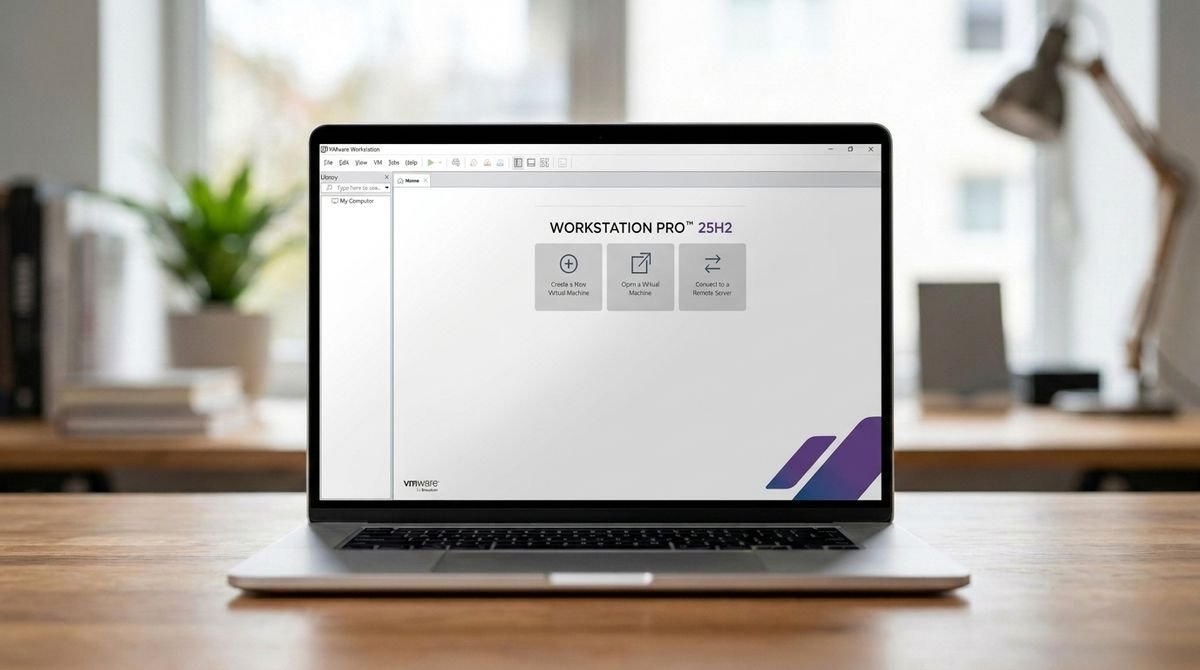
VMware Workstation Pro delivers a smoother and more consistent experience than most free alternatives, although its complexity and system demands may not suit every user.
Pros
- +
Smooth and consistent performance
- +
Polished and structured interface
- +
Advanced virtualization features
- +
Free to use
Cons
- -
Can feel complex for new users
- -
Higher system resource usage
- -
Limited direct support for free users
- -
Download process is less straightforward than before
Why you can trust TechRadar We spend hours testing every product or service we review, so you can be sure you're buying the best. Find out more about how we test.
VMware Workstation Pro is often included among the best virtual machine software, particularly for users who prioritize stability, performance, and flexibility. Its long-standing presence in professional and enthusiast environments makes it a strong alternative to more basic free tools, especially for those who need a more consistent and feature-rich virtualization experience.
VMware Workstation Pro: Plans and pricing
VMware Workstation Pro is now available free of charge, marking a significant shift from its previous licensing model. While earlier 2024 releases limited free access to personal use, subsequent updates expanded availability to a broader range of users, including commercial and educational environments.
The full Pro feature set is accessible without a license fee, although this comes with a trade-off. Free users do not receive direct technical support, and organizations that require guaranteed service levels must rely on enterprise agreements and support subscriptions.
Latest Videos From

VMware Workstation Pro: Features
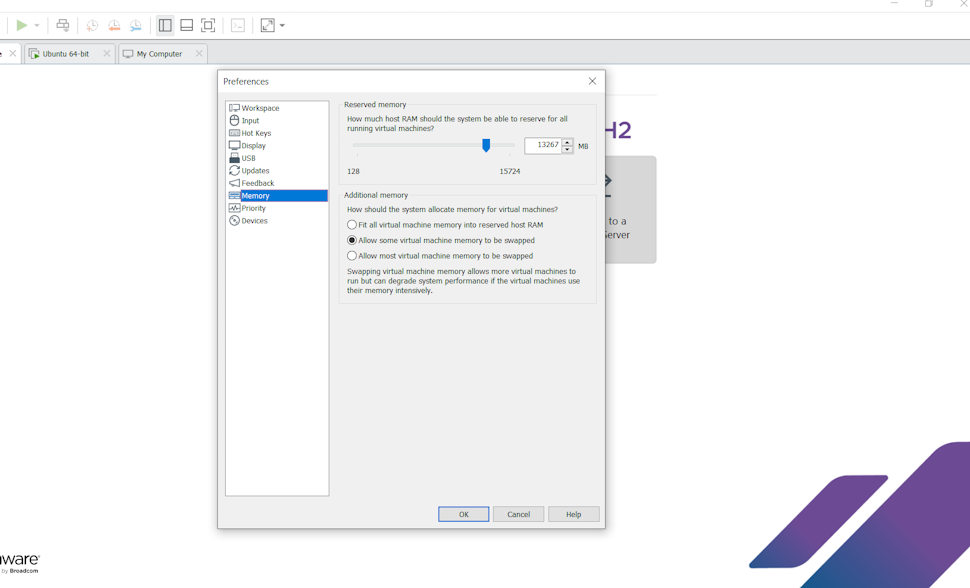
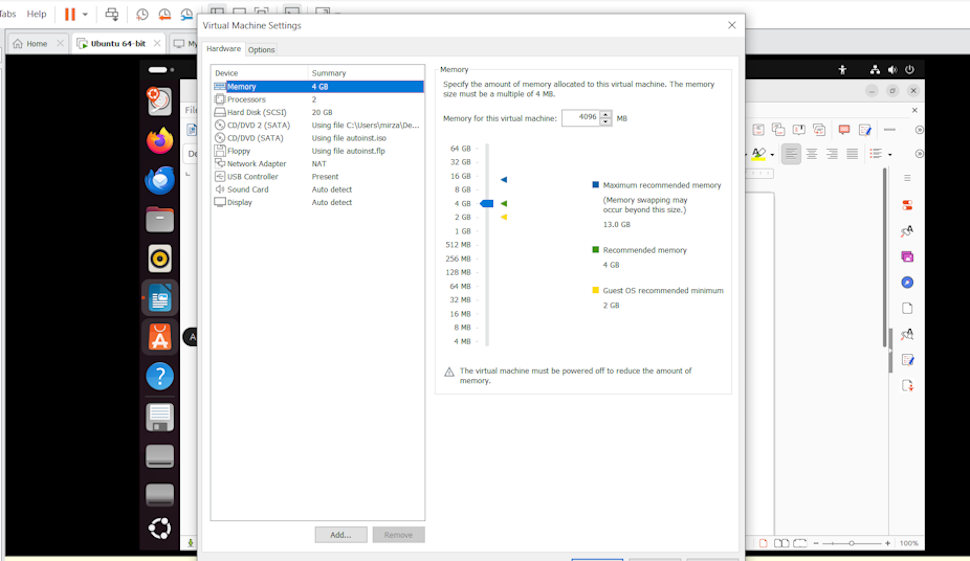
VMware Workstation Pro provides a comprehensive set of virtualization features designed for both development and testing scenarios. It supports a wide range of guest operating systems, including multiple versions of Windows and Linux, and allows users to allocate CPU cores, memory, and storage resources with a high degree of control.
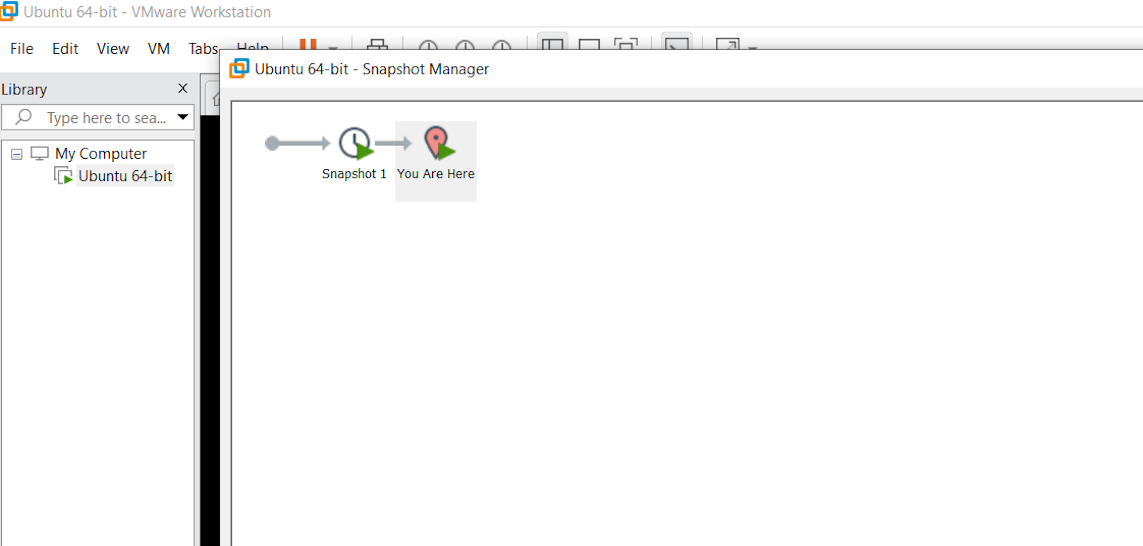
Core functionality includes snapshots and cloning, enabling users to save system states and replicate virtual machines for testing or backup purposes. Networking capabilities are particularly strong, with support for NAT, bridged, and custom virtual network configurations, making it suitable for more advanced lab environments.
The platform also supports hardware-assisted virtualization and offers stable compatibility with modern operating systems, allowing users to run multiple environments in parallel without major limitations. These capabilities also make it a practical option for testing and sandboxing different environments, particularly when working with software that requires isolation from the host system.
VMware Workstation Pro also supports more advanced use cases, including running multiple virtual machines simultaneously and configuring more complex testing environments. This makes it particularly suitable for developers and IT professionals who need to simulate real-world scenarios across different systems.
Are you a pro? Subscribe to our newsletter
Sign up to the TechRadar Pro newsletter to get all the top news, opinion, features and guidance your business needs to succeed!
VMware Workstation Pro: Interface and use
VMware Workstation Pro uses a structured and relatively modern interface, with a central workspace for managing virtual machines and clearly organized configuration menus. Compared to more basic tools, the layout feels more polished and consistent, making it easier to navigate once familiar with the workflow.
Setting up a new virtual machine is a guided process, with predefined profiles for common operating systems that simplify configuration. In most cases, the platform automatically detects installation media and suggests appropriate settings, reducing the need for manual adjustments.
Once a virtual machine is running, interaction is smooth and responsive, with reliable mouse integration and display handling. Everyday tasks such as starting, pausing, or cloning machines are easily accessible, although the overall experience may still feel slightly complex for users without prior virtualization experience.
Accessing the software has become slightly more complicated than before, as downloads are now handled through the Broadcom support portal. This requires account registration and navigation through a less intuitive interface, which may feel unnecessary for a tool that is otherwise free to use.
VMware Workstation Pro: Performance
In use, VMware Workstation Pro delivers a more consistent and responsive experience than many free alternatives. Virtual machines generally boot quickly and remain stable under typical workloads, particularly when running common Linux distributions or standard Windows environments.
Resource management is handled efficiently, allowing multiple virtual machines to run in parallel without significant slowdowns on capable hardware. While performance will always depend on the host system, VMware tends to make better use of available resources compared to simpler virtualization tools.
Graphics handling is generally more reliable than in many free alternatives, although the platform is not intended for demanding graphical workloads.
In longer sessions, VMware Workstation Pro tends to remain stable, even when running multiple virtual machines or switching between workloads. This consistency is one of its key advantages, particularly for users who rely on virtualization as part of their daily workflow rather than occasional testing.
However, the platform is not lightweight. Running multiple virtual machines or more demanding workloads can place noticeable strain on CPU and memory resources, making it less suitable for lower-end systems.
VMware Workstation Pro: Support
VMware Workstation Pro benefits from extensive documentation and a large user community, making it relatively easy to find guidance for most common issues. Official support is available through VMware’s enterprise channels, although it is primarily aimed at business users and paid support agreements.
For individual users, most troubleshooting relies on community forums, knowledge bases, and third-party resources. While this is sufficient for many scenarios, it may not match the level of direct support offered by some commercial alternatives.
VMware Workstation Pro: The competition
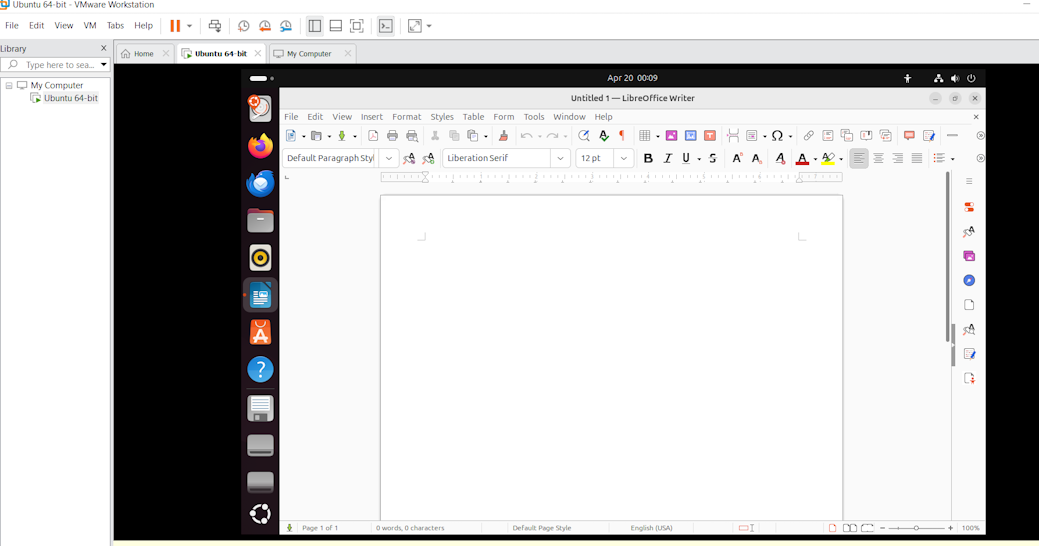
VMware Workstation Pro operates in a competitive space that includes both free and commercial virtualization tools. Oracle VM VirtualBox remains the most direct free alternative, offering similar core functionality but with a less polished interface and more inconsistent performance.
Compared to VirtualBox, VMware Workstation Pro offers a more refined and stable experience, although it demands more system resources and may feel less accessible to beginners. VirtualBox remains a strong option for users who prioritize simplicity and open-source flexibility, but it often requires more manual configuration.
On macOS systems, Parallels Desktop continues to lead due to its tight system integration and ease of use, particularly for users who want a near-native experience when running Windows applications. VMware’s own Fusion product serves a similar role, although it typically appeals more to technical users.
Overall, VMware Workstation Pro positions itself as a middle ground, combining the accessibility of free tools with a level of polish and consistency that is closer to commercial solutions.
VMWare Workstation Pro: Final Verdict
VMware Workstation Pro remains one of the most mature desktop virtualization platforms available, combining strong performance with a well-structured and feature-rich environment. The move to a free model makes it significantly more accessible, while its overall experience continues to feel more polished than many competing tools. It may not be the simplest option for beginners, but for users who need stability and flexibility, it stands out as a reliable choice.

Contributing Writer - Software
Ritoban Mukherjee is a tech and innovations journalist from West Bengal, India. These days, most of his work revolves around B2B software, such as AI website builders, VoIP platforms, and CRMs, among other things. He has also been published on Tom's Guide, Creative Bloq, IT Pro, Gizmodo, Quartz, and Mental Floss.
You must confirm your public display name before commenting
Please logout and then login again, you will then be prompted to enter your display name.
What's Your Reaction?
 Like
0
Like
0
 Dislike
0
Dislike
0
 Love
0
Love
0
 Funny
0
Funny
0
 Wow
0
Wow
0
 Sad
0
Sad
0
 Angry
0
Angry
0









Comments (0)